

 效果预览
效果预览
 切换至手工绘画版
 分享
分享 分享
分享
 详情
详情

 下载
下载
 相似作品
相似作品 X射线
X射线 幻灯片播放
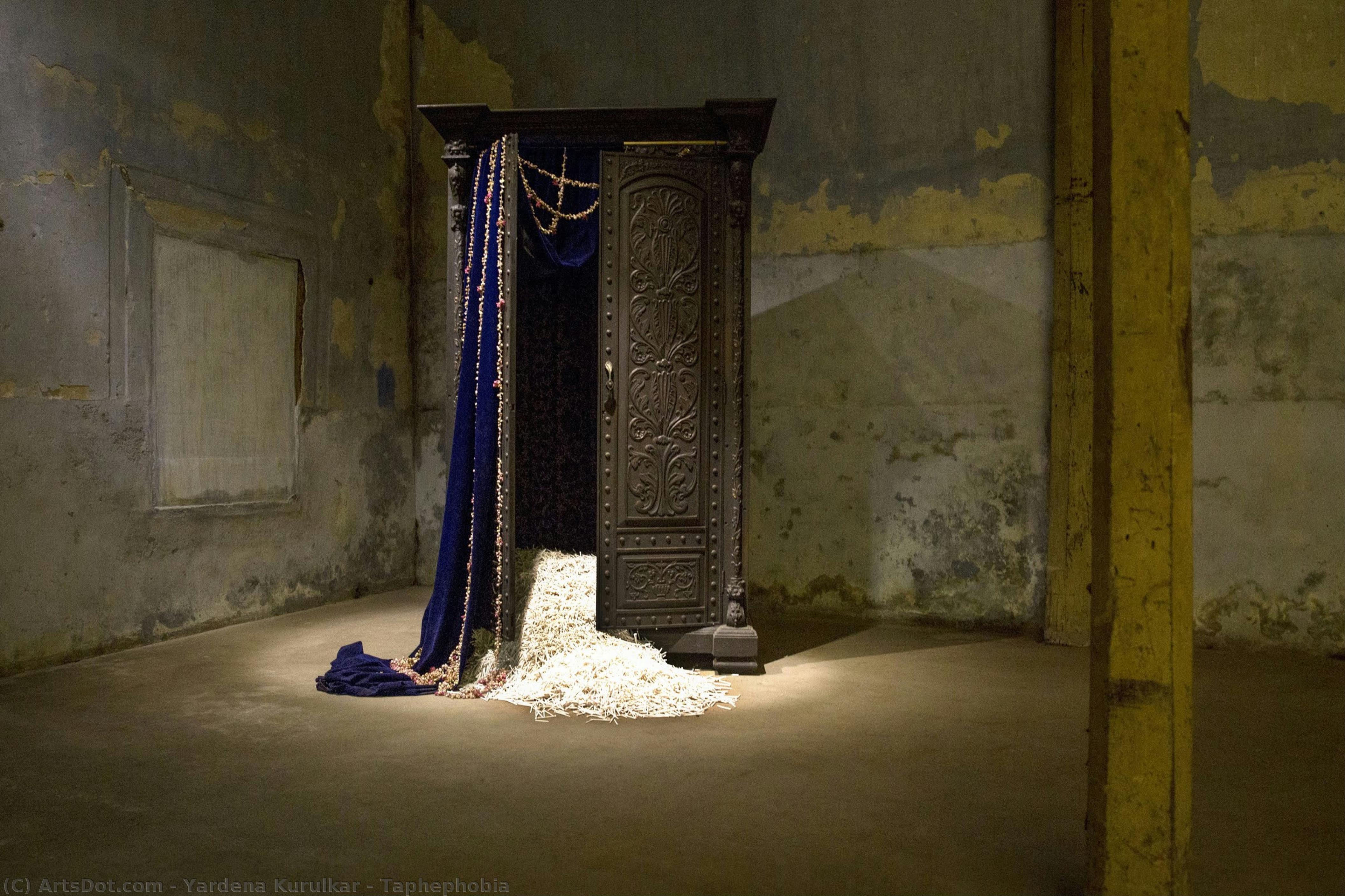
幻灯片播放Taphephobia

 展开详情
展开详情




































从与原作比例一致的预设尺寸中进行选择。

您可以输入自定义尺寸,以适配特定的画框或空间。如果您选择的尺寸与原图比例不符,我们将对作品进行裁剪,或通过镜像填充/纯色填充边缘的方式来扩展图像。在开始制作之前,我们会向您发送一份数字效果图供您确认。
请注意,屏幕上的预览并不能反映实际的裁剪或扩展效果。只有效果图才能准确展示最终的构图。
虽然我们提供定制尺寸,但为了保持原图比例,我们建议您从预设列表中选择尺寸。


 玻璃选项仅适用于110厘米以下的尺寸。

Taphephobia
艺术微喷/版画
复制品尺寸
-


最终总价
$ 62
艺术家简介
A Journey Through Ephemerality: The Art of Yardena Kurulkar
Yardena Elhanan Kurulkar, born in Mumbai, India, in 1978, is a mixed-media artist whose work delves into the profound and often unsettling territories of life, death, spirituality, and the transient nature of existence. Her artistic journey isn’t merely about creating visually arresting pieces; it's an ongoing exploration—a personal reckoning with the ephemeral, seeking to understand the delicate balance between presence and absence. Kurulkar doesn’t shy away from confronting difficult themes; instead, she embraces them, transforming personal experiences into evocative artworks that resonate with universal human anxieties and aspirations. Her foundation in art began at Sir J J School of Art in Mumbai, followed by a Master's degree at The University of Wales Institute, Cardiff, providing her with both technical skill and a broader artistic perspective. A Charles Wallace Trust grant further enabled her studies in the UK, before an artist residency at The Living Arts Centre in Ontario, Canada broadened her horizons still further.Early Influences and Artistic Development
Kurulkar’s early work laid the groundwork for her later explorations of fragility and change. After returning to Mumbai from her time abroad, she began to develop a distinctive style that blends photography, drawing, sculpture, and video—a testament to her willingness to experiment with diverse mediums. Her first solo exhibition in 2011, titled *Transience* at Gallery BMB, Mumbai, marked a significant turning point, garnering attention for its introspective quality and earning a nomination for the Skoda Art prize in 2012. This early success signaled her emergence as a compelling voice within the contemporary Indian art scene. The exploration of time became central to her practice; not merely as a chronological measure, but as an active medium—a pace at which to understand and accept the finite nature of life on earth. Materials like porcelain, clay, and water are employed not just for their aesthetic qualities, but for their inherent vulnerability, mirroring the transient beauty she seeks to capture.Spirituality and Recognition: The Blake Prize
A defining moment in Kurulkar’s career came with her recognition by the prestigious Blake Prize in 2016. This Australian art prize celebrates works that explore spirituality—a theme deeply embedded within Kurulkar's artistic vision. Her submission, *Kenosis*, a powerful series of fifteen photographic prints depicting the slow disintegration of her own heart in water, exemplified this exploration. The work is not simply about mortality; it’s a meditation on transformation, loss, and the cyclical nature of existence. *Kenosis* wasn't merely an artistic statement but a deeply personal performance—a staged confrontation where the artist intervened only to document the passing moment, arresting its fleeting beauty in a frame. This willingness to engage with her own body as subject matter is characteristic of Kurulkar’s work, creating a raw and intimate connection between art and life.Themes and Techniques: Deconstructing Boundaries
Kurulkar's artistic practice can be understood as an attempt to deconstruct the perceived boundaries between life and death, presence and absence, similarity and contradiction. Her works often feature personal objects and memories, subversively opening a dialogue about immortality—not as a concrete state, but as a continuous rhythm woven into the fabric of existence. She doesn’t offer definitive answers; instead, she presents classified perspectives from numerous vantage points, encapsulating the ongoing waltz between being and obliteration. Her more recent exhibitions at Chemould Prescott Road demonstrate this continued exploration, with works like *The Body in Agreement* featuring etchings created from impressions left by natural elements—leaves, twigs—further emphasizing the ephemeral nature of form.Historical Significance and Contemporary Relevance
Yardena Kurulkar’s work occupies a unique space within contemporary Indian art. While many artists explore themes of identity and social commentary, Kurulkar delves into more existential questions, offering a profound meditation on the human condition. Her recognition by international awards like the Blake Prize has brought her work to a wider audience, establishing her as an artist whose vision transcends cultural boundaries. Represented by Gallery Chemould in Mumbai, she continues to push the boundaries of mixed-media art, inviting viewers to confront their own anxieties and contemplate the beauty inherent in impermanence. Her legacy lies not just in the creation of visually stunning artworks, but in her ability to provoke introspection and foster a deeper understanding of life’s most fundamental mysteries.
yardena kurulkar
1978 - , India
艺术家简介
- Artistic Movement Or Style: Mixed media, Spiritual art
- Current Status: Living
- Date Of Birth: 1978
- Full Name: Yardena Kurulkar
- Nationality: Indian
- Notable Artworks: ['Taphephobia']
- Place Of Birth: Mumbai, India

