


 实景预览
实景预览
 发送
发送 分享
分享
 详情
详情 指南
指南

 下载图片
下载图片
 相似作品
相似作品 X射线
X射线 幻灯片播放
幻灯片播放 统计数据
统计数据Petroglyph Vessel


 阅读全文
阅读全文
艺术微喷/版画
博物馆级艺术微喷或帆布版画,制作高效,并提供多种饰面选择。 ( 订购此收藏品的纯手工复刻画作 切换至数字图像销售渠道)




P118B ¥10

P118H ¥10

P118W ¥10

P438Z ¥10

P508JH ¥12

P508YH ¥12

P805H ¥10

P805Z ¥10

P919BZ ¥10

P919G ¥10

P919XJ ¥10

P959ZH ¥10

P968JZ ¥12

W106C ¥8

W218G ¥10

W218JH ¥8

W218Y ¥10

W307PJ ¥10

W316G ¥10

W316PJ ¥8

W316Y ¥10

W398PJ ¥8

W4111J ¥10

W500HY ¥15

W500JH ¥15

W692G ¥12

W849H ¥8

W940BG ¥15

W953PJ ¥8




您可以从与原作比例一致的预设尺寸中进行选择。

请输入您所需的宽度和高度,以适配您的画框或墙面。由于印刷品只能进行裁剪,无法超出原图尺寸,因此若比例不一致,画面的一部分将会被裁切。在正式印刷之前,我们会为您发送一份数字效果图供您确认。本页面显示的图片并非最终裁剪后的效果——只有效果图才能展示真实的裁剪情况。


 玻璃选项仅适用于110厘米以下的尺寸。

Petroglyph Vessel
艺术微喷/版画
复刻品尺寸说明
-


总计金额
¥ 416
A Vessel Echoing Ancient Whispers: Exploring William Morris’s Petroglyph Vase
The ceramic vase stands quietly in the gallery light, its unassuming form concealing a profound connection to artistic heritage and a masterful embodiment of Arts and Crafts ideals. Created in 1987 by William Morris—a name synonymous with organic beauty and romantic storytelling—this piece transcends mere decoration; it’s an invitation into a world where craftsmanship speaks louder than convention and nature reigns supreme.The Inspiration Behind the Design
Morris's artistic vision stemmed from a deep reverence for the medieval past, specifically the traditions of Celtic and Norse art. He drew inspiration from petroglyphs—ancient rock carvings found across Europe—where stylized images convey narratives and spiritual beliefs through simplified forms and repetitive patterns. These symbols weren’t intended to represent literal depictions but rather to evoke emotions and communicate ideas in a timeless manner – mirroring the vase's aim to capture essence rather than precise detail. The artist deliberately eschewed academic precision, prioritizing instead an intuitive understanding of visual language rooted in folklore and mythology.A Symphony of Color and Texture
The vase’s palette—dominated by blues and reds accented with yellows and greens—reflects Morris’s belief that color possesses inherent moral qualities. Deep navy blues symbolize tranquility and contemplation, while vibrant reds evoke passion and vitality. These hues are skillfully blended to create a harmonious visual experience, mirroring the natural world's interplay of light and shadow. Furthermore, the textured glaze—a technique honed by Morris’s workshop—adds another layer of complexity. Visible mottled effects across the surface emulate the weathered appearance of stone formations, grounding the vase in its artistic inspiration and emphasizing the tactile quality of handmade artistry. The artist meticulously applied pigment to achieve this effect, demonstrating a dedication to material exploration that was characteristic of the Arts and Crafts movement.Craftsmanship as Moral Expression
Morris championed craftsmanship not merely as a skill but as a moral imperative—a way of honoring tradition and elevating the everyday through meticulous attention to detail. He firmly opposed mass production, advocating instead for handcrafted objects created with care and imbued with artistic intention. The vase exemplifies this ethos; its creation demanded considerable labor and expertise, reflecting Morris’s conviction that beauty arises from purposeful engagement with materials and techniques. This dedication to artisanal excellence aligns perfectly with the Arts and Crafts movement's broader critique of industrialization and its celebration of handcrafted artistry as a counterpoint to soulless uniformity.Symbolism Beyond Surface Decoration
Beyond its aesthetic qualities, the vase’s design carries symbolic weight. The curvilinear forms—inspired by Celtic spirals—represent cycles of life and death, mirroring Morris's fascination with natural rhythms and spiritual transformation. Similarly, the repetition of geometric patterns echoes the stylized imagery found in petroglyphs, reinforcing the connection to ancient traditions and conveying a sense of timelessness. These subtle visual cues invite contemplation and encourage viewers to consider the vase as more than just an object—but as a vessel for conveying profound ideas about beauty, spirituality, and human connection to the natural world.A Legacy Enduring Through Reproduction
Today, reproductions of Morris’s Petroglyph Vase offer art lovers and collectors alike the opportunity to experience the enduring power of Arts and Crafts artistry. By capturing the essence of Morris's vision—his reverence for nature, his commitment to craftsmanship, and his belief in the moral significance of artistic expression—these high-quality prints allow admirers to bring a piece of this remarkable heritage into their homes.问答详情
建议如何打印“Petroglyph Vessel”——什么尺寸,什么方向?
建议将 威廉·莫里斯 的《Petroglyph Vessel》 打印为 Large 大小,并采用 Portrait 构图。
在哪里可以购买到 威廉·莫里斯 的《Petroglyph Vessel》 的数字图像?
您可以在 威廉·莫里斯 的《Petroglyph Vessel》 的 数字图像 页面购买其数字图像:高分辨率数字图像下载。
在“Petroglyph Vessel”中,媒介与笔触是如何结合的?
“Petroglyph Vessel”采用 Acrylic On Canvas 创作,呈现出 Arts and Crafts 风格。
相关艺术品


艺术家简介
植根于自然与浪漫的一生
威廉·莫里斯(William Morris)于1834年3月24日出生在埃塞克斯郡的沃尔瑟姆斯托,他出身于一个优渥的中产阶级家庭——这种优越的家境赋予了他追求志向而非仅仅谋生的自由。父亲作为金融家的成功,不仅为他提供了物质保障,更营造了一个让审美感官得以蓬勃发展的环境。莫里斯的童年深受家乡周围英国乡村风光的影响,以及对中世纪骑士文学的热爱,这为他终身致力于自然之美与浪漫叙事奠定了基础。这些早期的影响并非仅仅是情感上的寄托,它们构成了其艺术哲学的核心。对他而言,自然与过去不仅仅是灵感的来源,他更坚信它们在道德与审美上都优于那个飞速工业化的时代。他在牛津大学接受的正规教育最初将他引向了文职之路,但正是通过大学里充满活力的知识分子圈子,他的真正天职才开始显露轮廓。他加入了“The Set”小组,一群对艺术、文学和中世纪历史有着共同热忱的学生,并在此结下了深厚的友谊——其中最著名的便是与爱德华·伯恩-琼斯(Edward Burne-Jones)的交往,这段情谊深刻地影响了他的艺术轨迹。正是在这一时期,他接触到了约翰·拉斯金(John Ruskin)的著作,后者对工业社会的批判以及对手工艺精神的倡导,与莫里斯心中萌生的信念产生了深层的共鸣。工艺美术运动的革命
离开牛津后,他在建筑领域的短暂尝试很快转向了绘画,期间他与但丁·加布里埃尔·罗塞蒂(Dante Gabriel Rossetti)合作开展壁画项目。然而,1861年莫里斯、马歇尔、福克纳与公司(Morris, Marshall, Faulkner & Co.)的成立——后来简称为莫里斯公司(Morris & Co.)——标志着一个关键时刻,这不仅是他个人事业的转折点,更是设计史上的里程层。这不仅仅是一次商业尝试,更是一场试图创造全新生活方式的实验:让艺术渗透进日常生活的每一个角落,并让手工艺价值高于一切。通过与伯恩-琼斯、罗塞蒂、菲利普·韦布(Philip Webb)等人的合作,莫里斯致力于复兴传统技艺,为家居环境打造精美且制作考究的器物。公司的早期作品深受“红屋”(Red House)的影响,那是莫里斯委托韦布建造的一座住宅——这座建筑体现了工艺美术运动的核心理想,即通过手工制作的家具与装饰来创造一个统一的审美空间。随着运动的兴起,莫里斯成为了领军人物,他倡导手工艺精神,将其视为对抗大规模生产所带来的“去人性化”影响的良药。他满怀激情地相信,艺术应当面向大众而非仅限于权贵阶层,且艺术应与日常生活融为一体——在那个设计往往被视为与功能脱节的时代,这无疑是一个激进的理念。这种哲学超越了单纯的美学范畴,它根植于深厚的社会良知以及改善劳动人民生活的渴望之中。编织在纺织、诗歌与印刷中的遗产
尽管莫里斯公司涵盖了家具、彩绘玻璃、地毯等广泛的装饰艺术领域,但他最负盛名的或许还是其纺织品设计。这些作品并非简单的图案,而是由流动的花卉纹样、茂密的叶片和浓郁且富有感染力的色彩交织而成的复杂叙事。尤其是他的壁纸设计,彻底变革了室内设计,摆脱了维多利亚时代盛行的枯燥模仿,转向了既美观又实用的自然灵感创作。他不仅仅是这些图案的设计者,更全身心地投入到创作过程中,深入钻研染色技术与织造方法的细微差别。除了纺织品,莫里斯还复兴了挂毯艺术,创作了一系列基于中世纪浪漫传奇和亚瑟王传说的宏大叙事挂毯——这些作品展现了他作为讲故事大师的才华以及与过去的深厚联结。他的创造力并不局限于视觉艺术,他也是一位多产的作家,创作了大量的诗歌、小说和译作。《人间乐园》(1868-1870)与《无处新闻》(1890)见证了他的文学天赋,以及他对一个根植于手工艺与社会正义之上的乌托邦社会的愿景。1890年,他创立了凯姆斯科特出版社(Kelmscott Press),这是一家致力于生产具有精美排版与插图的高品质书籍的私人印刷厂,这一举措对现代书籍设计产生了深远的影响。社会主义、自然保护与持久的影响力
莫里斯的使命感从美学领域延伸到了社会活动领域。他日益深入地参与社会主义政治,倡导工人权利与社会改革。他坚信,一个真正美丽的社会若没有经济平等与正义便无法存在——这一信念贯穿了他的艺术创作与政治著作。这并非抽象的理论推演,他积极支持各种社会主义事业,并利用自己的影响力来提高人们对劳动人民困境的关注。此外,莫里斯还是自然保护运动的先驱,他意识到为后代保护历史建筑与景观的重要性。他明白,这些结构不仅仅是过去的遗迹,更是连接文化身份与艺术灵感的生命纽带。位于沃尔瑟姆斯托的威廉·莫里斯美术馆见证了他持久的遗产,展示了他的作品并提供了洞察其生平与思想的窗口。时至今日,他的设计仍在激励着各领域的艺术家与设计师。他对手工艺、自然形态及整体设计的强调,对室内装饰、纺织艺术和平面设计都产生了深远的影响。他所构想的那种美学与实用性交织、艺术面向大众的世界,在今天看来与19世纪时一样具有现实意义。 威廉·莫里斯不仅仅是一位艺术家;他更是一位愿景家,试图通过设计、手工艺与社会正义的力量来重塑社会。
威廉·莫里斯
1834 - 1896 , 英国
快速概览
- Artistic Movement Or Style: 工艺美术运动
- Artists Or Movements Influenced By This Artist: ['工艺美术运动']
- Artists Who Influenced This Artist:
- 约翰·拉斯金
- 爱德华·伯恩-琼斯
- Date Of Birth: 1834年3月24日
- Date Of Death: 1896年10月3日
- Full Name: 威廉·莫里斯
- Nationality: 英国
- Notable Artworks:
- 日月天使
- 全圣教堂中的橡树叶
- 犹大·马加比
- Place Of Birth (City And Country): 英国,沃尔瑟姆斯托
相关文章

The Alchemy of Clay: A Collector's Guide to the Mastery, Texture, and Timeless Form of Ceramic Art
Discover the profound beauty of ceramic art. Our expert guide explores the alchemy of clay, texture, and glaze, offering collectors deep insights into mastering earth and fire to create timeless, sculptural masterpieces for any curated collection.
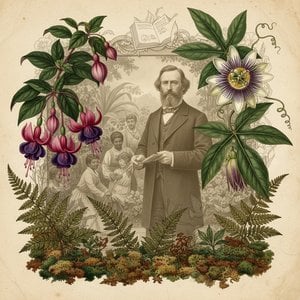
William Salter: A Life Immersed in Colour – Victorian Botanical Art & Social Vision
Explore the life & art of William Salter (1804-1875), a Victorian master renowned for his botanical illustrations and striking portraits. Discover his social vision & legacy at ArtsDot.

Penry Williams: Evoking Welsh Nostalgia Through Impressionistic Landscapes
Explore the captivating world of Penry Williams (1802-1885), a Welsh artist renowned for his evocative Impressionistic landscapes and scenes of Italy. Discover his life, style & legacy with ArtsDot.

Christopher Williams: Deconstructing Representation & Materiality in Contemporary Art
Explore the groundbreaking work of Christopher Williams, a pivotal figure in contemporary art. This analysis delves into his deconstruction of representation, materiality, and institutional critique – essential reading for serious collectors.

Sir William Blake Richmond: A Visionary of Aestheticism & Symbolism
Explore the life & art of Sir William Blake Richmond, a pivotal figure bridging Pre-Raphaelitism and Aestheticism. Discover his stunning portraits, mosaics at St Paul's Cathedral, and lasting influence on Victorian art.
