


 实景预览
实景预览
 发送
发送 分享
分享
 详情
详情 指南
指南

 下载图片
下载图片
 相似作品
相似作品 X射线
X射线 幻灯片播放
幻灯片播放 统计数据
统计数据Robert buxton

 阅读全文
阅读全文
手工油画复制品
由我们的艺术家按需定制,为您提供您所选尺寸及画框的布面手工油画。 ( 切换至版画销售渠道 切换至数字图像销售渠道)




P118B ¥10

P118H ¥10

P118W ¥10

P438Z ¥10

P508JH ¥12

P508YH ¥12

P805H ¥10

P805Z ¥10

P919BZ ¥10

P919G ¥10

P919XJ ¥10

P959ZH ¥10

P968JZ ¥12

W106C ¥8

W218G ¥10

W218JH ¥8

W218Y ¥10

W307PJ ¥10

W316G ¥10

W316PJ ¥8

W316Y ¥10

W398PJ ¥8

W4111J ¥10

W500HY ¥15

W500JH ¥15

W692G ¥12

W849H ¥8

W940BG ¥15

W953PJ ¥8




您可以从与原作比例一致的预设尺寸中进行选择。

请输入您需要的宽度和高度,以适配您的画框或墙面。由于作品为手工绘制,若您选择不同的尺寸比例,艺术家可能会在画面边缘多画一些或稍作裁剪 —— 由您决定。在开始绘画之前,我们会为您发送一份数字效果图供您确认。本页面上展示的图片并非最终实物 —— 只有效果图才能反映真实结果。
下单后,ArtsDot.com 团队将通过电子邮件联系客户获取具体要求,并提供效果预览图


 玻璃选项仅适用于110厘米以下的尺寸。

Robert buxton
复制品材质
复刻品尺寸说明
-


总计金额
¥ 1770
相关艺术品


艺术家简介
威廉·多布森:英国肖像画中的威尼斯回响
威廉·多布森(William Dobson,约1611年3月4日受洗;1646年10月28日安葬)是英国绘画早期历史上举足轻重的人物。当时的艺术评论家约翰·奥布里曾盛赞他是“英格兰迄今培养出的最卓越的画家”。他的艺术遗产不仅体现在现存的大约六十幅肖像画作品中,更在于他在复辟时期动荡的岁月中,为英国艺术界引入了一种鲜明的威尼斯美学。多布森的职业生涯始于蓬勃发展的纳撒勒派运动,该运动倡导回归古典理想并摒弃矫饰主义的过度堆砌。通过师从威廉·皮克(William Peake)和弗朗西斯·克莱恩(Francis Cleyn),他接受了系统的艺术训练,并从提香与安东尼·范·戴克等大师的作品中汲取了风格养分——后者当时正担任国王查理一世的宫廷画家。- 早年生活与艺术训练:多布森出生于伦敦,其父为一名律师,这种优渥的知识分子家庭环境塑造了他敏锐的艺术感知力。在皮克和克莱恩门下的学徒生涯,为他掌握精湛的绘画技艺与构图原则积累了宝贵的经验。
- 威尼斯风格的影响:多布森的成长时期正值威尼斯艺术崛起的时代,这深刻影响了他的视觉语言。不同于范·戴克那种在很大程度上避免直接模仿的做法,多布术积极钻研提香的技法——尤其是对色彩与罩染技术的精妙运用——并将这些创新元素融入到自己的画布之中。
- 皇家委任与艺术鼎盛:随着查理一世统治时期的到来,多布森的命运发生了戏剧性的转折,他获得了来自王室的大量丰厚委任。他最终成为了国王的首席画师(Serjeant Painter)及枢密院侍从,确立了其作为那个时代领军艺术家的地位。
克伦威尔时代与骑士肖像
在英国内战期间,多布森的艺术创作展现了他对描绘贵族阶层——主要是那些捍卫君主制、对抗议会派力量的“骑士派”人士——的坚定承诺。他的作品不仅捕捉到了人物的外貌特征,更传达了细腻的心理层次,映射出那个深陷冲突的国家所面临的焦虑与渴望。其代表作包括查尔斯·卢卡斯、约翰·拜伦以及莱茵河畔的鲁珀特王子等人的肖像,这些作品充分证明了多布森能够通过微妙的姿态与神情来传达人物性格的非凡能力。- 牛津与克伦威尔时期的宫廷:在围城期间,多布森于牛津建立了工作室,全身心地沉浸在保皇党据点的艺术氛围之中。
- 卓越的委任作品:他承接了大量记录战争双方显赫人物生活的委任任务,这不仅证明了他的名望,也体现了他作为艺术家极强的适应能力与多变风格。
多布森的巅峰之作与艺术遗产
多布森艺术生涯的巅峰出现在查理二世复辟时期。此时他获得了王室内部显赫的职位,并创作出了堪称其最负盛名的杰作:一幅约十二岁查理王子的肖像画。这件宏大的作品集中体现了多布森对巴洛克技法的精通——以戏剧性的光影、浓郁的色彩调色盘以及华丽的肌理表面为特征——确立了他作为英国最顶尖画家之一的地位。他的作品集还包括约克公爵及其他具有影响力的骑士肖像,使他在艺术史上留下了作为“英国绘画中威尼斯风格先驱”的永恒印记。- 查理王子的肖像:作为多布森的传世杰作,这幅肖像展现了极其出色的细节处理与心理洞察力,这也是他艺术风格的核心标志。
结语
多布森对英国艺术的贡献早已超越了单纯的风格模仿;他在威尼斯传统与英国审美之间架起了一座对话的桥梁,塑造了复辟时期的视觉景观,并赢得了“英格兰迄今培养出的最卓越画家”这一持久的美誉。他的作品至今仍因其凄美、精湛的技艺以及对人性深刻的理解而令人心生敬畏。
威廉·多布森
1610 - 1646 , 德国
快速概览
- Artistic Movement Or Style: 威尼斯艺术影响
- Artists Or Movements Influenced By This Artist:
- 提香
- 安东尼·范·戴克
- Artists Who Influenced This Artist:
- 威廉·皮克
- 弗朗西斯·克莱恩
- Date Of Birth: 1610年12月8日
- Date Of Death: 1646年1月30日
- Full Name: 威廉·查尔斯·托马斯·多布森
- Nationality: 德国
- Notable Artworks:
- 爱德华·德林爵士肖像
- 雅各布·霍尔,绳索舞者
- 画家与查尔斯·科特雷尔爵士及巴尔萨泽·格比尔爵士
- Place Of Birth: 德国汉堡
相关文章
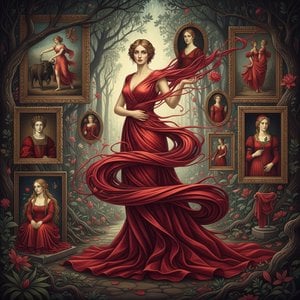
Crimson Threads of Narrative: Exploring Symbolism & Representation in Artworks Featuring the Red Dress
Explore the rich symbolism of the red dress in art history! From ancient power displays to iconic portraits like Cézanne’s 'Madame Cezanne', discover the cultural and artistic significance behind this captivating color. Expert analysis & insights.

Decoding Baroque Grandeur: A Guide to the Drama and Emotion of 17th-Century Art
Explore the breathtaking drama of 17th-century Baroque art. Our expert guide decodes the use of chiaroscuro, emotional intensity, and historical grandeur to help you appreciate and curate timeless masterpieces for your collection.

巴洛克艺术的戏剧性辉煌:历史背景、风格特征与持久影响
深入探索巴洛克艺术的辉煌历史、独特风格与持久影响。了解卡拉瓦乔、贝尼尼等大师的作品,洞悉反宗教改革运动下的艺术变革。ArtsDot.com为您提供专业的艺术解读与高清画作欣赏。

巴洛克戏剧性:将辉煌与情感融入当代室内设计
探索巴洛克艺术的辉煌与奢华!ArtsDot提供精湛的手工油画复制、定制服务和专业艺术咨询,助您将经典作品融入当代室内设计,提升家居品味。投资艺术,传承价值。

巴洛克古典主义:十七世纪艺术中的戏剧性与秩序融合
深入探索17世纪巴洛克古典主义艺术的戏剧性与秩序之美。卡拉瓦乔、鲁本斯等大师作品解析,揭秘宗教改革下的艺术策略,并了解凡尔赛宫的辉煌历史。ArtsDot.com为您提供专业的艺术鉴赏与定制服务。