


 实景预览
实景预览
 发送
发送 分享
分享
 详情
详情 指南
指南

 下载图片
下载图片
 相似作品
相似作品 X射线
X射线 幻灯片播放
幻灯片播放 统计数据
统计数据Sleep


 阅读全文
阅读全文
手工油画复制品
由我们的艺术家按需定制,为您提供您所选尺寸及画框的布面手工油画。 ( 切换至版画销售渠道 切换至数字图像销售渠道)




P118B ¥10

P118H ¥10

P118W ¥10

P438Z ¥10

P508JH ¥12

P508YH ¥12

P805H ¥10

P805Z ¥10

P919BZ ¥10

P919G ¥10

P919XJ ¥10

P959ZH ¥10

P968JZ ¥12

W106C ¥8

W218G ¥10

W218JH ¥8

W218Y ¥10

W307PJ ¥10

W316G ¥10

W316PJ ¥8

W316Y ¥10

W398PJ ¥8

W4111J ¥10

W500HY ¥15

W500JH ¥15

W692G ¥12

W849H ¥8

W940BG ¥15

W953PJ ¥8




您可以从与原作比例一致的预设尺寸中进行选择。

您可以输入自定义尺寸,以适配特定的画框或空间。如果所选尺寸与原图比例不符,我们将通过裁剪作品或添加手绘元素来扩展画面。数字样稿将在制作开始前发送给您确认。
请注意,屏幕预览无法准确反映实际的裁剪或扩展效果,只有样稿才能真实呈现最终的构图。
虽然我们提供定制尺寸服务,但为了保留原作比例,建议您从预设列表中选择尺寸。
下单后,ArtsDot.com 团队将通过电子邮件联系客户获取具体要求,并提供效果预览图


 玻璃选项仅适用于110厘米以下的尺寸。

Sleep
复制品材质
复刻品尺寸说明
-


总计金额
¥ 2105
The Weight of Tradition: An Encounter with Walter Ufer’s “Sleep”
Walter Ufer's "Sleep," painted in 1923, isn’t merely a depiction of three Native American women; it’s an immersion into a world steeped in ritual and profound reverence. The painting immediately draws the viewer in with its rich tapestry of color – predominantly warm reds, oranges, and browns that evoke the earth itself, grounded by cooler blues and greens woven through the textiles and pottery. This palette isn't simply decorative; it speaks to the cultural heritage of the subjects, hinting at a deep connection to the land and ancestral traditions. The composition is carefully orchestrated, centering on the kneeling woman as a focal point, yet subtly inviting us into the periphery of the scene, suggesting an active participation in this sacred space.
Ufer’s masterful technique reveals layers of painstaking detail. He employs a layered oil painting approach, building up texture with deliberate brushstrokes that create a palpable sense of roughness on the clothing – perhaps representing the wear and tear of daily life intertwined with ceremonial garb – while simultaneously rendering the pottery with smooth, almost polished surfaces. This juxtaposition speaks to the duality inherent in Native American culture: the balance between practicality and spirituality, the tangible and the intangible. The lighting, soft and diffused, isn’t dramatic; it's deliberately muted, casting subtle shadows that lend a sense of solemnity and depth to the figures and objects, as if illuminating a secret whispered within a sacred space.
A Window into Taos: Contextualizing Ufer’s Vision
To fully appreciate “Sleep,” it's crucial to understand its historical context. Painted in 1923, during his time in Taos Pueblo, New Mexico, the artwork represents a pivotal moment in Walter Ufer’s career and his deep engagement with Native American culture. He was part of the "Taos Ten," a group of artists who sought to document and celebrate the lives and traditions of the region's indigenous communities. This wasn’t simply an act of observation; it was a deliberate attempt at understanding and portraying these cultures with respect and authenticity, a rare undertaking for American art at the time.
Ufer’s background as a German-born artist profoundly shaped his approach. His training in Europe instilled a meticulous attention to detail and a sophisticated understanding of composition – elements he skillfully translated into his depictions of Native American life. However, it was his immersion within the Taos community that truly informed his work, allowing him to capture not just appearances but also the spirit and essence of these traditions. The painting’s realism is tempered by an underlying sense of mystery, inviting viewers to contemplate the deeper meanings embedded within the scene.
Symbolism Woven into the Fabric
The details within “Sleep” are laden with symbolic significance. The intricately patterned rug serves as a visual anchor, framing the central figures and providing a rich backdrop that speaks to the importance of storytelling and communal life within Native American culture. The pottery, often adorned with geometric designs and natural motifs, represents both artistic skill and spiritual connection – a tangible link to ancestors and the earth. The women themselves, engaged in what appears to be a ritualistic activity, are not simply subjects; they embody generations of tradition, wisdom, and connection to the divine.
The act depicted—kneeling in reverence—suggests healing or a profound spiritual ceremony. The quiet dignity of the figures, coupled with the muted colors and soft lighting, evokes a sense of solemnity and timelessness. It’s an image that transcends mere representation, offering a glimpse into a world governed by ancient beliefs and deeply rooted traditions.
A Legacy of Authenticity: Reproductions and Beyond
Walter Ufer's "Sleep" remains a powerful testament to the beauty and complexity of Native American culture. ArtsDot offers high-quality, hand-painted reproductions that faithfully capture the painting’s rich detail and evocative atmosphere. These reproductions are more than just images; they are windows into another world—a world of sacred rituals, profound traditions, and enduring wisdom. Investing in a reproduction is an investment in preserving this important piece of American art history and honoring the legacy of Walter Ufer's insightful portrayal.
问答详情
在哪里可以找到关于“Sleep”的指南?
"Sleep" 的指南位于作品的 指南 页面 —— 这是一份可打印的信息单,展示了该作品及其说明、署名以及详细信息表(艺术家、日期、媒介、原尺寸、馆藏)。
沃尔特·乌弗 的《Sleep》展现了怎样的色彩和谐感?
"Sleep" 的色彩和谐度记录为 Discordant Palette。
“Sleep”是否一直留在其艺术家的故乡?
不——该作品目前存放于海外。沃尔特·乌弗出生于德国,而原作《Sleep》则由位于美国的一家博物馆收藏。
在哪里可以找到关于沃尔特·乌弗 的《Sleep》的数据统计?
关于 沃尔特·乌弗 的《Sleep》 的统计数据可在该作品的 统计数据 页面查看:包括作品的每月访问量、艺术家作品的访问量,以及近期访客的国家和语言分布情况。
哪家博物馆收藏了《Sleep》的原作?
沃尔特·乌弗 的《Sleep》 的原作收藏于 国家牛仔与西部遗产博物馆, 俄克拉荷马城, 美国。通过复制品,您也可以在居家环境中欣赏这部杰作。
在沃尔特·乌弗反复探讨的主题中,"Sleep"处于怎样的地位?
在沃尔特·乌弗已记录的主题——taos ten influence, native american realism, spiritual ceremony focus, cultural preservation theme, westward expansion reflection, ufer's ethnographic interest, documenting indigenous life, key work in artist corpus——之中,"Sleep" 则将焦点转向了native american culture, ritual ceremony, indigenous art, textile patterns, cultural heritage, portraiture, depth of field, warm color palette。
如何发现与 沃尔特·乌弗 的《Sleep》 风格相近的艺术品?
沃尔特·乌弗 的《Sleep》 的 相似作品 页面展示了相关艺术作品。
"Sleep" 会为空间带来怎样的氛围?
相关艺术品


艺术家简介
西南之魂:沃尔特·乌弗的生命与传承
沃尔特·乌弗是美国印象派领域的一位关键人物,这位画家的笔触不仅捕捉了光影,更捕捉了一个文化的脉动。1876年出生于德国休克斯瓦根,乌弗通往新墨西哥州高地沙漠的旅程,是由严谨的欧洲艺术训练以及对人类生存境遇的深切好奇心铺就而成的。他的早年岁月深受肯塔基州路易斯维尔德裔美国人群体的影响,在那里,他开始初步吸收家族传承中丰富的文化底蕴。这段奠定基础的时期,以对石版画和版画技术的研习为标志,赋予了他卓越的技术精准度,使他日后能够以无与伦比的驾驭力,游走于光影错综复杂的变幻之中。
他对艺术卓越境界的追求,引领他踏上了一场变革性的欧洲奥德赛之旅。作为一名游历的匠人,乌弗沉浸在欧洲大陆多元的艺术传统中,并在汉堡和德累着顿享誉盛名的学院里磨练技艺。这段充满智识与创造力扩张的时期,在他于慕尼黑从事密集画室实践的岁月里达到了顶峰。1911年重返美国时,他随身携带了一种成熟的欧洲审美感性,这正准备好与美国西部那粗犷、阳光普照的大地景观进行一场深刻的邂逅。
“塔奥斯十人组”的远见者
1914年是乌弗人生轨迹以及美国艺术走向的一个决定性转折点。当他踏入新墨西哥州的塔奥斯普韦布洛时,发现自己正处于一场非凡艺术革命的核心。通过加入极具影响力的“塔奥斯十人组”,乌弗成为了这个集体的重要人物,该团体力求超越单纯的风景画,转向对美国原住民生活更加真实、更具生命力的描绘。与许多通过浪漫化或殖民主义视角审视西南部的同代人不同,乌弗以一种深沉的敬意和对日常生存尊严的敏锐洞察力来对待他的创作主题。
他的作品成为了欧洲印象派技法与普韦布洛人民原始、精神能量之间的桥梁。他不仅是一名观察者,更是仪式、景观以及社区生活宁静节奏的记录者。这种创作演进的核心在于他与吉姆·米拉巴尔的关系——这位塔奥斯印第安人既是乌弗的精神缪斯,也是他的合作伙伴。通过这段纽带,乌弗获得了对定义该地区文化细微差别的亲密理解,使他能够将一种鲜活的真实感注入画布,这种共鸣远远超出了新墨西哥州的疆界。
技法、象征与历史意义
乌弗的作品集以对色彩的大师级掌控和大胆、富有表现力的用色为特征。他的风格虽然植根于美国印象派的原则,但往往倾向于一种更加厚重且富有质感的处理方式,捕捉到了沙漠烈日的灼热与大地的沉重。他利用光线不仅是为了照亮形体,更是为了唤起情感——创造出那些氛围中仿佛承载着历史与传统重量的场景。
沃尔特·乌弗的历史意义在于他能够将风俗画提升为一种深刻的社会与文化宣言。他的成就包括:
- 真实的呈现:摆脱了对美国原住民生活“如画般”的刻板印象,呈现出塔奥斯人民更加细腻且人性化的肖像。
- 艺术的融合:成功地将德国严谨的学院派训练与美国西南部充满活力、奔放不羁的精神融合在一起。
- 塔奥斯十人组的遗产:在确立塔奥斯作为美国现代主义首选之地以及原住民艺术重要中心的过程中,发挥了至关重要的作用。
时至今日,乌弗的画作依然是那个文化激烈交汇时代的持久见证。他能够将欧洲教育的技术严谨性与普韦布洛文化的精神深度编织在一起,这确保了他的作品能够持续吸引观众,邀请现代观者通过他那充满感染力且大师级的双眼,去亲眼见证塔奥斯山谷永恒的精神。

沃尔特·乌弗
1876 - 1936 , 德国
快速概览
- Artistic Movement Or Style: 塔奥斯印象派
- Artists Or Movements Influenced By This Artist: ['']
- Artists Who Influenced This Artist: ['']
- Date Of Birth: 1876
- Date Of Death: 1936
- Full Name: 沃尔特·乌弗
- Nationality: 德裔美国人
- Notable Artworks:
- 她的女儿
- 沙漠的建造者
- 之后
- Place Of Birth: 德国,赫克斯瓦根
相关文章

The Enduring Legacy of Oil on Canvas: Technique, History & Aesthetic Impact
Explore the rich history & techniques of oil painting – from Renaissance masters to Impressionism. Discover pigments, layering methods, and why this timeless medium endures. Expert insights for artists & art enthusiasts.

Grant Wood & American Regionalism: Identity, Myth & the Rural Landscape
Explore the world of Grant Wood & American Regionalism with ArtsDot. Discover the symbolism behind 'American Gothic', recurring themes, and the movement's lasting impact on art history. High-quality reproductions available.

American Realism's Defining Works: 10 Masterpieces for Your Home
Explore 10 defining American Realism masterpieces – Hopper, Homer & more. Discover the stories behind these iconic paintings and bring timeless art to your home with ArtsDot's museum-quality reproductions. Explore the full collection online.

Alfred Jacob Miller: Chronicling the American West Through Artistic Observation & Narrative
Explore the captivating art of Alfred Jacob Miller, chronicler of the American West. Discover his iconic paintings, techniques & lasting legacy – a valuable addition to any serious collection. Learn more at ArtsDot.
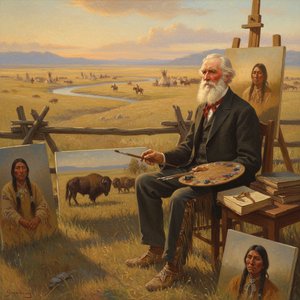
Joseph Henry Sharp: Capturing the Spirit of the Plains – Life, Art & Legacy
Explore the life & art of Joseph Henry Sharp, a founding member of the Taos Society of Artists renowned for his realistic depictions of Native American culture and Western landscapes. Discover his legacy with ArtsDot.