

 分享
分享 分享
分享
 详情
详情 指南
指南

 下载作品
下载作品
 相似作品
相似作品 幻灯片播放
幻灯片播放 问答
问答 统计数据
统计数据Apollo

- 120.0 x 142.0 cm


 展开全文
展开全文
艺术微喷/版画
博物馆级艺术微喷或帆布版画,制作高效,并提供多种饰面选择。 ( 订购纯手工绘制画作 切换至数字图像销售渠道)




































您可以从与原作比例一致的预设尺寸中进行选择。

请输入您所需的宽度和高度,以适配您的画框或墙面。由于印刷品只能进行裁剪,无法超出原图尺寸,因此若比例不一致,画面的一部分将会被裁切。在正式印刷之前,我们会为您发送一份数字效果图供您确认。本页面显示的图片并非最终裁剪后的效果——只有效果图才能展示真实的裁剪情况。


 玻璃选项仅适用于110厘米以下的尺寸。

Apollo
艺术微喷/版画
复刻品尺寸
-


最终结算价
¥ 423
A Vision of Neoclassical Serenity
In the quiet halls of the Museo Vela in Switzerland, there exists a marble masterpiece that captures the very essence of the late Enlightenment era. Attributed to the skilled hands of Vincenzo Pacetti, the sculpture Apollo serves as a profound testament to the Classical Revival. Executed in 1783, this work is far more than a mere depiction of a deity; it is an embodiment of Neoclassical ideals, seeking to resurrect the grandeur, rationality, and grace of ancient Greece and Rome. As one approaches the sculpture, the serene presence of the figure commands immediate attention, inviting the viewer into a state of deep contemplation regarding themes of divine beauty and intellectual pursuit.
The composition centers on Apollo, the revered Greek god of music, poetry, healing, and prophecy. Rather than portraying him in a moment of athletic prowess or divine intervention, Pacetti presents him in a state of profound introspection. Seated upon a simple bench, Apollo gazes upward, his expression lost in thought. This posture creates an emotional resonance that transcends the stone itself, evoking a sense of peace and scholarly devotion. The sculpture’s arrangement is rich with symbolic weight: beside the god rests a book, representing the vastness of knowledge and erudition, while a scale sits nearby to signify balance and precision—virtues held in the highest regard by the artists of this era.
Mastery of Form and Material
The technical execution of Apollo showcases Pacetti’s remarkable ability to breathe life into cold marble. The artist employs classical proportions and idealized forms, drawing upon the monumental sculptural traditions established by masters such as Michelangelo and Bernini. Every detail is meticulously rendered, from the intricate carvings that adorn the figure to the soft, lifelike textures of the stone. The choice of marble is particularly significant; its inherent ability to reflect light beautifully lends a luminous quality to the sculpture, enhancing the sense of solidity and permanence that defines the work.
For the discerning collector or interior designer, this piece offers an unparalleled opportunity to introduce an element of timeless elegance into a space. The interplay of light upon the polished surfaces and the dignified posture of the figure provide a focal point that is both intellectually stimulating and aesthetically soothing. Whether viewed as a study in Neoclassical technique or as a symbolic representation of the pursuit of virtue through reasoned observation, Apollo remains an enduring icon of artistic excellence, perfect for those seeking to surround themselves with the profound beauty of history.
常见问题与解答
Vincenzo Pacetti 的《Apollo》传达了怎样的情感?
Vincenzo Pacetti 的《Apollo》 传达出一种 Calm 的情感基调。
哪家博物馆收藏了《Apollo》的原作?
Vincenzo Pacetti 的《Apollo》 的原作收藏于 博尔盖塞美术馆, Rome, Italy。通过复制品,您也可以在居家环境中欣赏这部杰作。
Vincenzo Pacetti 的《Apollo》 的色彩是如何与其情感表达相联系的?
Vincenzo Pacetti 的《Apollo》 将 Earthy 色调与 Calm 的基调完美融合。
相似作品


艺术家简介
Vincenzo Pacetti: Life and Legacy
Early Life and Training
- Born: Rome, Italy in 1746.
- Vincenzo Pacetti began his artistic journey at the Accademia del Nudo, honing his skills in anatomical study and figure drawing.
- He furthered his training from 1766 to 1772 under the tutelage of sculptor-restorer Pietro Pacili. Upon Pacili’s death, Vincenzo took over his studio.
Career and Artistic Development
- Pacetti quickly established himself as an independent sculptor and was accepted into the Accademia di San Luca, serving as its director – a testament to his growing reputation.
- Bartolomeo Cavaceppi, another prominent sculptor-restorer, held Pacetti in high regard, even naming him as executor of his will.
- Pacetti’s work evolved around the intersection of sculpture and restoration. He wasn't merely a copier; he actively *completed* fragmented classical works, sometimes adding significant portions based on his artistic judgment.
Major Achievements & Notable Works
- The Barberini Faun (1799): Perhaps Pacetti’s most celebrated work. He restored and completed this iconic sculpture, adding a new right leg, now housed in the Glyptothek, Munich.
- Hope Dionysus: Currently residing in the Metropolitan Museum of Art, this piece exemplifies Pacetti's skill in completing ancient fragments.
- Athena of Velletri (1797): Now located in the Louvre, this sculpture showcases his ability to bring classical forms back to life.
- Extensive work at the Galleria Borghese, including reliefs and stucchi for the Sala degli Imperatori – notably “The Goat Amanthea” and “Perseus freeing Andromeda”. He also contributed to rooms housing Bernini’s masterpieces.
- Other works can be found in churches like San Salvatore in Lauro, Santo Spirito in Sassia, Santi Michele e Magno, and the Palazzo Carpegna.
Patronage and Later Life
- Lucien Bonaparte became a significant patron later in Pacetti’s career. He commissioned numerous plaster casts of famous antique sculptures for his villa at Canino.
- Pacetti's diary, covering the years 1773–1803, and his correspondence provide invaluable insights into the Roman art market during that period.
- Died: Rome in 1820.
Historical Significance & Legacy
- Vincenzo Pacetti occupies a unique position in art history as both a sculptor and a restorer. His work raises questions about authenticity, artistic intervention, and the interpretation of classical forms.
- He played a crucial role in shaping the understanding and appreciation of ancient sculpture during the Neoclassical period.
- His diaries remain an essential resource for scholars studying the art market and restoration practices of 18th and 19th-century Rome.

Vincenzo Pacetti
1746 - 1820 , Italy
艺术家简介
- Name: Vincenzo Pacetti
- Movement: Neoclassical
- Birth Date: 1746
- Death Date: 1820
- Birth Place: Rome, Italy
- Nationality: Italian
- Date Of Birth: 1746
- Date Of Death: 1820
- Influenced By: Pietro Pacili, Bartolomeo Cavaceppi
- Notable Works:
- Barberini Faun
- Hope Dionysus
- Athena of Velletri
- Place Of Birth: Rome, Italy
相关文章

Bronze Sculptures That Defined Art History | ArtsDot
Journey through art history with our Top 10 bronze sculptures! Explore masterpieces by Rodin, Michelangelo & more. Discover stories behind iconic statues and find museum-quality reproductions for your home decor at ArtsDot.com.

The Enduring Form: Sculpture Across History, Technique & Emotional Resonance
Explore the rich history of sculpture with ArtsDot. Discover key techniques, influential artists & investment potential for discerning collectors. Expert insights into valuing and collecting timeless masterpieces.

The Enduring Form: Exploring Themes & Techniques in Sculpture Across Historical Periods
Explore the rich history of sculpture from ancient masterpieces to contemporary innovations. Discover key techniques, influential artists & investment potential for discerning art collectors.

Bronze Age to Modern Masters: 10 Sculptures That Redefined Art | ArtsDot
Journey through art history with 10 legendary bronze sculptures – from Michelangelo's David to Rodin’s Thinker. Explore the stories, techniques & timeless beauty of these masterpieces. Find museum-quality reproductions & elevate your home decor on ArtsDot.com.
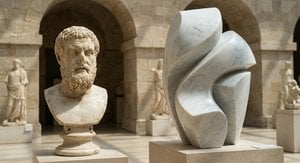
The Enduring Allure of Marble in Art History: From Classical Sculpture to Modern Abstraction
Explore the captivating history of marble sculpture from ancient Greece to modern art. Discover renowned artists like Canova & Michelangelo, carving techniques, and investment insights at ArtsDot.