


 实景预览
实景预览
 发送
发送 分享
分享
 详情
详情 指南
指南

 下载图片
下载图片
 相似作品
相似作品 X射线
X射线 幻灯片播放
幻灯片播放 统计数据
统计数据The Young Cicero Reading
 Acrylic On Canvas
- WallArt
- Early Lombard School
 1464
1464 101.0 x 143.0 cm
 威廉斯收藏馆
 阅读全文
阅读全文
艺术微喷/版画
博物馆级艺术微喷或帆布版画,制作高效,并提供多种饰面选择。 ( 订购此收藏品的纯手工复刻画作 切换至数字图像销售渠道)




P118B $10

P118H $10

P118W $10

P438Z $10

P508JH $12

P508YH $12

P805H $10

P805Z $10

P919BZ $10

P919G $10

P919XJ $10

P959ZH $10

P968JZ $12

W106C $8

W218G $10

W218JH $8

W218Y $10

W307PJ $10

W316G $10

W316PJ $8

W316Y $10

W398PJ $8

W4111J $10

W500HY $15

W500JH $15

W692G $12

W849H $8

W940BG $15

W953PJ $8




您可以从与原作比例一致的预设尺寸中进行选择。

您可以输入自定义尺寸,以适配特定的画框或空间。如果您选择的尺寸与原图比例不符,我们将对作品进行裁剪,或通过镜像填充/纯色填充边缘的方式来扩展图像。在开始制作之前,我们会向您发送一份数字效果图供您确认。
请注意,屏幕上的预览并不能反映实际的裁剪或扩展效果。只有效果图才能准确展示最终的构图。
虽然我们提供定制尺寸,但为了保持原图比例,我们建议您从预设列表中选择尺寸。


 玻璃选项仅适用于110厘米以下的尺寸。

The Young Cicero Reading
艺术微喷/版画
复刻品尺寸说明
-


总计金额
$ 62
A Glimpse into the Heart of the Early Italian Renaissance
Vincenzo Foppa’s “The Young Cicero Reading” isn't merely a depiction of a boy absorbed in a book; it’s a carefully constructed tableau brimming with symbolism and reflecting the burgeoning humanist ideals that defined the early 15th century. Painted around 1464, this fresco fragment—once adorning the courtyard of the Palazzo Mediceo in Milan—offers a captivating window into a world where classical learning was being meticulously resurrected and woven back into the fabric of contemporary life. The painting’s enduring appeal lies not just in its aesthetic beauty but also in the profound questions it raises about education, ambition, and the very nature of intellectual pursuit.
The Subject: A Young Scholar's Moment
At first glance, the scene is deceptively simple. A young boy, no older than twelve, sits on a wooden bench beneath a window, his gaze fixed intently upon an open book. The figure, identified as Cicero – though the identification remains debated by scholars – embodies youthful curiosity and a deep engagement with knowledge. The choice of Cicero himself—the renowned Roman orator, statesman, and philosopher—is deliberate. He represents the pinnacle of classical learning, a model for aspiring intellectuals throughout the Renaissance. Foppa masterfully captures the boy’s posture: relaxed yet focused, suggesting an immersion in thought that transcends mere academic study. The inclusion of two other figures – a standing man and another seated – adds layers of narrative complexity, hinting at a broader social context where learning was valued and nurtured.
Technique and Style: Lombard School Nuances
Foppa’s style is firmly rooted in the Early Lombard School of painting, a regional movement that flourished in Northern Italy during this period. This artistic tradition, influenced by the Venetian masters Bellini and Mantegna, is characterized by its rich color palettes, delicate modeling, and a distinctive use of light and shadow. Notice how Foppa employs a muted, earthy palette—ochres, browns, and greens—to create a sense of quiet contemplation. The fresco’s surface is remarkably smooth, achieved through meticulous layering of plaster, a technique typical of the Lombard School. The figures are rendered with a subtle realism, yet retain an idealized quality that reflects the humanist emphasis on beauty and proportion. The background landscape, though simplified, provides a vital connection to the natural world – a key element in Renaissance thought.
Symbolism and Historical Context: Echoes of Rome
Beyond its immediate subject matter, “The Young Cicero Reading” is laden with symbolic meaning. The book itself represents knowledge, wisdom, and the transformative power of learning. The window behind the boy symbolizes enlightenment and access to a wider world of ideas. The inscription on the bench – "M. T. CE CIRO" – further reinforces the connection to the classical past. It’s important to remember that during the 15th century, there was a fervent revival of interest in Roman culture—a movement known as Humanism. The rediscovery and study of ancient texts were seen as essential for shaping virtuous citizens and fostering intellectual progress. The fresco's placement within the courtyard of the Palazzo Mediceo, a powerful Medici family seat, underscores this connection to power and patronage – the Medicis were ardent supporters of the arts and sciences.
Emotional Resonance: A Portrait of Intellectual Ambition
Ultimately, “The Young Cicero Reading” is more than just a historical artifact; it’s a poignant portrait of intellectual ambition. It captures a moment of intense concentration, suggesting the boundless potential within a young mind eager to absorb knowledge and shape its own destiny. The painting evokes a sense of quiet contemplation, inviting viewers to reflect on their own pursuit of wisdom and understanding. It serves as a timeless reminder that the seeds of progress are often sown in the minds of those who dare to read, question, and strive for excellence.


艺术家简介
伦巴第的远见者:文琴佐·福帕的生平与艺术
文琴佐·福帕(Vincenzo Foppa),这个名字或许不如他那些文艺复兴时期的同辈那样家喻户晓,但在意大利艺术史上,他却是一位举足轻重的关键人物。1427年左右,福帕出生于布雷西亚附近的巴尼奥洛·梅拉,随后逐渐成长为早期伦巴第画派的领军人物。他开创了一种独特的风格,将哥特式的传统与当时蓬勃发展的人文主义理想完美融合。他的艺术生涯主要是在米兰公爵——权势显赫的斯福尔扎家族的赞助下展开的;他的影响力曾遍及伦巴诞第和利古里亚地区,直到晚年回到故乡布雷西亚,并于1515年溘然长逝。尽管由于时代变迁与种种不幸,现存的作品数量相对较少,但福帕艺术愿景所带来的冲击力,在随后整个北意大利绘画的发展进程中依然清晰可见。早年岁月与艺术朝圣
在福帕的青年时代,布雷西亚的艺术氛围并不算特别活跃,这迫使他必须去外地寻求磨炼的机会。关于他学徒生涯的具体细节仍笼罩在些许神秘之中,但可以肯定的是,他曾开启了一场艺术朝圣之旅,旨在吸收那个时代盛行的风格与技法。在他的作品中,早期的艺术影响清晰可见:布雷西亚布罗莱托礼拜堂内真蒂莱·达·法布里亚诺壁画那细腻的抒情性,以及雅各布·贝里尼那充满精致优雅感的《圣母告知》。后者的影响力似乎尤为深远,一些学者甚至推测福帕可能直接师从于他。此外,博尼法乔·贝姆博也是他潜在的导师之一,也有观点认为他在帕多瓦曾接受过弗朗切斯科·斯夸尔乔内的早期训练。然而,由于他早期的作品展现出与皮萨内洛及真蒂莱·诞·法布里亚诺相似的风格特征,许多人相信他的正式教学很可能发生在维罗纳——那是一个当时正处于艺术创新巅峰的城市。这段吸收与实验的时期,为福帕将多元影响进行独特融合奠定了坚实的基础。斯福尔扎的赞助与伦巴第式的创新
大约在1458年,当福帕引起米兰公爵弗朗切斯科·斯福尔扎的关注时,他的命运发生了戏剧性的转折。凭借精湛的技艺,他迅速获得了多项委任任务,其中包括在热那亚的一项重要工程——为大教堂的圣若望洗礼堂绘制壁画,遗憾的是,这些作品在16世纪的翻修中不幸损毁。斯福尔扎的一封赞誉备至的推荐信为他开启了更多机遇之门,1463年,福帕被召往米兰。在这里,他承担了诸多重大项目,例如为新建的大医院(Ospedale Maggiore)门廊绘制壁画,以及在米兰美第奇银行内部进行一系列精美的装饰工作。后者尤其值得关注,其中描绘了八位罗马皇帝——包括一幅详尽的图拉真素描——以及弗朗切斯科·斯福尔扎及其家人的醒目肖像。 正是在这段时期,福帕真正确立了伦巴第画派的标志性特征。他的绘画开始展现出一种独特的肤色灰色调,这一特征后来被后世艺术家广泛效仿。他大师般地将哥特式的优雅与新兴文艺复兴时期的透视及自然主义原则相结合,创造出既具视觉吸引力又具思想深度的构图。阅读中的年轻西塞罗作为美第奇银行壁画中仅存的一件世俗作品残片——现收藏于伦敦华莱士收藏馆——便是这种融合的典范,充分展示了福帕传达心理深度与叙事复杂性的卓越能力。遗产与历史意义
尽管许多作品已失传,但文琴佐·福帕对伦巴第绘画的影响是深远且持久的。他建立了一种地域风格,充当了晚期哥特时期与盛期文艺复兴之间的桥梁。他对写实描绘的强调,结合精湛的色彩感与构图能力,为文琴佐·切韦尔基奥和杰罗拉莫·罗曼诺等艺术家铺平了道路。著名的艺术史学家乔尔乔·瓦萨里也将福帕誉为他那个时代最伟大的画家之一——这足以证明他在世时的技艺水平与名望。 福帕的艺术遗产不仅限于风格上的模仿。他展现了一种非凡的适应力,能够将多元的影响进行综合,创造出一种反映其时代文化与政治格局的独特伦巴第美学。他的作品体现了一种创新与实验的精神,使他不仅成为了一位大师级的匠人,更是一位帮助塑造了意大利文艺复兴绘画进程的远见艺术家。文琴佐·福帕虽然在名气上或许不及一些更为著名的同辈,但对于理解15世纪北意大利艺术那丰富多彩的画卷而言,他始终是一个不可或缺的核心人物。
文琴佐·福帕
1427 - 1515 , 意大利
快速概览
- Artistic Movement Or Style: 文艺复兴早期
- Artists Or Movements Influenced By This Artist:
- Vincenzo Civerchio
- Girolamo Romanino
- Artists Who Influenced This Artist:
- Jacopo Bellini
- Gentile da Fabriano
- Date Of Birth: 1427年
- Date Of Death: 1515年
- Full Name: 文森佐·福帕
- Nationality: 意大利
- Notable Artworks:
- 圣母与圣子
- 耶稣受难 (1456)
- 阅读中的年轻西塞罗
- Place Of Birth: 意大利,巴尼奥洛·梅拉
相关文章

The Enduring Legacy of Fresco: Technique, History & Artistic Expression Across Cultures
Explore the rich history & enduring legacy of fresco painting! Discover ancient techniques, Giotto's masterpieces, and modern applications. Expert insights for art lovers & professionals.
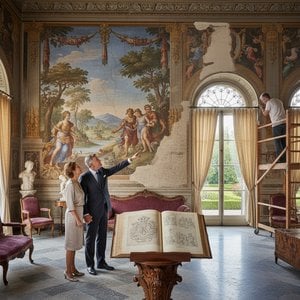
The Fresco as Family Legacy: Preserving Heritage Through Wall Art
Explore the rich history & enduring legacy of fresco painting. Discover how to preserve family heritage through stunning wall art. Expert insights & restoration guidance.

情感共鸣:定制室内壁画的力量与艺术史维度 (Qínggǎn gòngmíng: Dìngzhì nèishì bìhuà de lìliàng yǔ yìshǐ wéidù)
探索定制室内壁画的力量,从文艺复兴艺术史到现代空间设计。ArtsDot提供专业艺术家手绘、个性化定制服务,打造独一无二的艺术品,提升家居品味与文化价值。

The Enduring Legacy of Fresco Painting: Techniques, History & Contemporary Relevance
Explore the rich history & enduring artistry of fresco painting – from Giotto to Michelangelo! Discover techniques, conservation efforts, & modern applications. Learn how ArtsDot brings this timeless art form to your home.

The Enduring Legacy of Fresco: Technique, History & Artistic Expression
Explore the rich history & enduring artistry of fresco painting. Discover techniques from Giotto to Michelangelo, conservation efforts, & modern applications. Learn how ArtsDot brings this timeless art form to your home.