


 效果预览
效果预览
 购买手绘画作
 分享
分享 分享
分享
 详情
详情

 下载
下载
 相似作品
相似作品 X射线
X射线 幻灯片播放
幻灯片播放Wakasa


 展开详情
展开详情




P118B $10

P118H $10

P118W $10

P438Z $10

P508JH $12

P508YH $12

P805H $10

P805Z $10

P919BZ $10

P919G $10

P919XJ $10

P959ZH $10

P968JZ $12

W106C $8

W218G $10

W218JH $8

W218Y $10

W307PJ $10

W316G $10

W316PJ $8

W316Y $10

W398PJ $8

W4111J $10

W500HY $15

W500JH $15

W692G $12

W849H $8

W940BG $15

W953PJ $8




从与原作比例一致的预设尺寸中进行选择。

您可以输入自定义尺寸,以适配特定的画框或空间。如果您选择的尺寸与原图比例不符,我们将对作品进行裁剪,或通过镜像填充/纯色填充边缘的方式来扩展图像。在开始制作之前,我们会向您发送一份数字效果图供您确认。
请注意,屏幕上的预览并不能反映实际的裁剪或扩展效果。只有效果图才能准确展示最终的构图。
虽然我们提供定制尺寸,但为了保持原图比例,我们建议您从预设列表中选择尺寸。


 玻璃选项仅适用于110厘米以下的尺寸。

Wakasa
艺术微喷/版画
复制品尺寸
-


最终总价
$ 62
藏品详情
A Poetic Vision of Edo Japan: The Life and Art of Utagawa Hiroshige
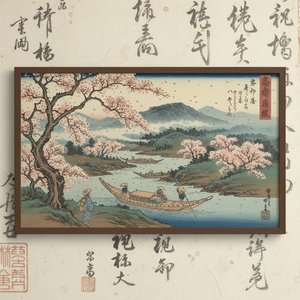
Utagawa Hiroshige (1797-1858) stands as an unparalleled luminary in the realm of *ukiyo-e*, or “pictures of the floating world,” forever etching his name into the annals of Japanese art history. More than merely capturing visual impressions, Hiroshige possessed a singular ability to distill the spirit of Edo Japan—a period characterized by burgeoning urban growth, social stratification, and an evolving cultural landscape—into breathtaking landscapes imbued with profound emotional resonance. His artistic journey began humbly, apprenticed under Utagawa Toyohiro, mastering the intricate craft of woodblock printing while simultaneously cultivating a deeply personal aesthetic rooted in observation and contemplation. This formative experience would ultimately shape his distinctive style and propel him to become Japan’s final great *ukiyo-e* master, leaving an indelible mark on both Japanese artistic tradition and its subsequent influence on Western art movements like Impressionism.- Subject Matter & Composition: Hiroshige's canvases rarely depict grand narratives or heroic figures; instead, he favored serene scenes of nature—mountain vistas, riverscapes, cherry blossoms in bloom—often populated by solitary travelers or fishermen. These subjects were deliberately chosen to evoke feelings of tranquility and contemplation, mirroring the philosophical currents prevalent during his time.
- Style & Technique: Hiroshige’s signature style is defined by its meticulous attention to detail and masterful use of perspective—particularly *ma*, or negative space—to create a sense of depth and atmosphere. He employed a technique known as *bokashi*, blending tonal gradations with subtle shading to achieve remarkable realism while simultaneously conveying an ethereal quality.
The Fifty-Three Stations of the Tōkaidō: A Journey Through Time & Landscape
Perhaps Hiroshige’s most celebrated series, “The Fifty-Three Stations of the Tōkaidō,” exemplifies his artistic prowess and captures the essence of Edo Japan's commercial artery. This ambitious undertaking involved painstakingly documenting each station along the Tokaido highway—the main route connecting Kyoto and Tokyo—resulting in sixty-six prints that offer a panoramic view of the region’s topography, flora, and fauna. Each print is rendered with breathtaking precision, capturing not only the physical environment but also the subtle nuances of daily life—farmers tending their fields, merchants traversing the road, pilgrims embarking on sacred pilgrimages.- Symbolism & Emotion: Hiroshige’s landscapes are laden with symbolic meaning. Cherry blossoms represent impermanence and beauty fleetingly grasped; mountains symbolize strength and resilience—themes central to Zen Buddhism, which profoundly influenced Japanese culture during Hiroshige's lifetime.
- Influence on Impressionism: Hiroshige’s innovative use of *ma* and tonal gradations captivated European artists like Claude Monet and Vincent van Gogh who were experimenting with new approaches to painting. They recognized in Hiroshige’s work a kindred spirit—a desire to capture the immediacy of experience and convey emotion through color and light, mirroring the core tenets of Impressionism.
Hiroshige's Legacy: An Enduring Aesthetic Influence
Despite the decline of *ukiyo-e* by the late 19th century due to shifting economic conditions and Western artistic dominance, Hiroshige’s influence continues to resonate today. His landscapes remain admired for their beauty, tranquility, and masterful execution—inspiring artists and designers alike. Reproductions of his prints adorn homes and galleries worldwide, testifying to the enduring power of his vision—a testament to a Japanese artist who transformed landscape painting into an art form capable of conveying profound emotional depth and capturing the sublime spirit of Edo Japan.相似艺术品


艺术家简介
江户时代的诗意远景:歌川广重的生命与艺术
歌川广重,原名安藤德太郎,1797年出生于繁华的江户(今东京),是浮世绘——即“漂浮世界的画卷”——艺术史上的关键人物。尽管他的创作深深植根于日本木版画的传统,但广重并未止步于单纯的临摹,而是赋予了他的风景画一种诗意的感性,这种情感不仅在日本国内引起了深远共鸣,后来更跨越国界,震撼了整个西方艺术界。他的生命历程展开于德川幕府统治下相对和平与繁荣的时代,然而,那也是一个社会变革加剧、西化浪潮初现的时期——这些力量虽然最终导致了浮世绘艺术的衰落,却也同时放大了广重那永恒的艺术遗产。最初,他本应在武士家庭中走上一条更为传统的道路——他的父亲曾担任火防役——但广重的艺术天赋引导他师从歌川派大师歌川丰斋。这一转折至关重要,使他避开了当时许多浮世绘艺术家所青睐的艺伎与歌舞伎演员的流行题材,转而投身于风景创作,并最终重新定义了这一流派。从风俗场景到动人心魄的风景
广重早期的作品仍遵循着流派的传统,以肖像和日常生活场景为主。然而,正是他对风景画的拥抱使他脱颖而出。受到早期大师如葛饰北斋的影响——北斋的《富岳三十六景》早已令观众倾倒——广重发展出了一种独特的风格,其特点是具有大气透视感、细腻的色调以及对季节更迭的敏锐感知。他不仅仅是在描绘地点,更是在唤起一种心境,捕捉特定时刻的灵魂。他的代表作《东海道五十三次》(1833–1834)便是这种创作方法的典范。这部宏伟的作品记录了连接江户与京都的主要干道——东海道之路上的旅程,它并非枯燥的游记,而是一系列动人的片段:蕉原的一场骤雨、金谷远眺富士山的景致、小田原的熙攘景象。每一幅版画都渗透着一种转瞬即逝的美感与宁静,邀请观者与旅人一同踏上这段旅程。他精妙地运用了“晕染”(Bokashi)技法,通过多次叠印创造出细腻的色彩渐变,为画面增添了深邃的层次感与氛围感。氛围与技法的宗师
广重的技术造诣与其艺术远见同样令人惊叹。他并不满足于单纯的写实,而是力求捕捉一个地方的“神韵”。他的色彩运用虽然与同时代的一些艺术家相比显得较为克制,但对于实现这种艺术效果至关重要。他经常为单一颜色使用多块原版,从而创造出极其难以复制的微妙色调与大气效果。在描绘雨雾时那细腻的蓝色晕染,或是秋叶中透出的温暖色调——这些都不是偶然的产物,而是经过深思熟虑、旨在唤起特定情感与感官体验的设计。除了“晕染”技法,广重还擅长利用留白——即日本美学核心概念中的“间”(Ma)——让画面中的区域得以“呼吸”,从而增强了整体的宁静感。他的系列作品《名所江户百景》(1856–1858)进一步展示了他的大师风范,为人们提供了窥见他心爱的城市之生活与风景的亲密视角。永恒的遗产:日本主义及其影响
尽管随着1858年广重的逝世,浮世绘传统开始走向衰落——明治维新的到来以及随后西方文化的涌入加速了这一进程——但他对艺术界的影响却表现出惊人的持久力。19世纪后期,日本版画大量涌入欧洲,引发了被称为“日本主义”(Japonisme)的现象。爱德华·马奈、克劳德·莫奈和埃德加·德加等艺术家都被浮世绘大胆的构图、扁平化的透视以及不寻常的配色所吸引,并将这些元素融入到自己的创作中。文森特·梵高对广重的版画尤为着迷,他甚至创作了多幅临摹作品,其中包括《龟户梅屋町》,充分展示了他对这位日本大师在色彩与构图运用上的深切钦佩。广重的影响力早已超越了绘画领域,在建筑、设计乃至文学中均可见其踪迹。时至今日,歌川广重不仅被视为一位卓越的艺术家,更被视为一位帮助架起东西方桥梁的文化使者,在艺术史上留下了不可磨灭的印记。他那宁静的风景画至今仍能激发人们的敬畏与沉思,提醒着我们自然界之美与无常。代表作品
- 东海道五十三次:广重最著名的系列作品,描绘了江户与京都之间主要干道上的旅程。
- 名所江户百景:对他在心爱的城市中生活与风景的迷人刻画。
- 对文森特·梵高“日本风情”系列的影响:包括《广重笔下的梅花园》,展现了梵高对这位日本大师的深切崇敬。

歌川广重
1797 - 1858 , 日本
艺术家简介
- Artistic Movement Or Style: 浮世绘
- Artists Or Movements Influenced By This Artist:
- 马奈
- 莫奈
- 梵高
- 印象派
- Artists Who Influenced This Artist: ['北斋']
- Date Of Birth: 1797年
- Date Of Death: 1858年
- Full Name: 歌川广重
- Nationality: 日本
- Notable Artworks:
- 东海道五十三次
- 名所江户百景
- Place Of Birth: 日本东京
相关文章

葛饰北斋:25幅传世名作,浮世绘大师的艺术传奇 (Katsushika Hokusai: 25 Masterpieces, The Art Legacy of the Ukiyo-e Master)
探索葛饰北斋的25幅传世名作!深入了解浮世绘大师的艺术传奇,感受《神奈川冲浪波》等经典作品背后的故事与魅力。ArtsDot.com提供博物馆级高质量复制品,为您的家居带来日本风情和艺术灵感。立即探索完整系列!
Ephemeral Landscapes: Hiroshige's Poetics of Transient Beauty in Edo Japan
Explore the captivating world of Utagawa Hiroshige's ukiyo-e landscapes. Discover his artistic innovations, influence on Western art, and the poetics of transient beauty in Edo period Japan. A guide for collectors & enthusiasts.

Ukiyo-e's Poetic Visionary: Hiroshige Ando & the Transformation of Landscape in 19th-Century Japan
Explore the life & art of Ando Hiroshige, Japan's last great ukiyo-e master. Discover his iconic landscapes, poetic style, and profound influence on Western Impressionism. Learn about The Fifty-Three Stations & more!

Beyond the Horizon: 10 Landscape Masterpieces for Your Home Decor
Journey through 10 breathtaking landscape paintings by Monet, Van Gogh & more! Explore iconic artworks, artistic techniques & find inspiration for your home decor. Museum-quality reproductions at ArtsDot.com. Discover all masterpieces on ArtsDot.com

Utagawa Kuniyoshi: A Master of Japanese Ukiyo-e – Narrative Innovation & the Fusion of Tradition with Popular Culture
Explore the captivating world of Utagawa Kuniyoshi, a master of Japanese ukiyo-e woodblock prints. Discover his innovative warrior scenes, vibrant landscapes & lasting legacy in 19th-century art history.



