

 实景预览
实景预览
 分享
分享 分享
分享
 详情
详情 指南
指南

 下载作品
下载作品
 相似作品
相似作品 X射线
X射线 幻灯片播放
幻灯片播放 Q&A
Q&A 统计数据
统计数据Dog


 展开全文
展开全文
艺术微喷/版画
博物馆级艺术微喷或帆布版画,制作高效,并提供多种饰面选择。 ( 订购纯手工绘制画作 切换至数字图像销售渠道)




P118B ¥10

P118H ¥10

P118W ¥10

P438Z ¥10

P508JH ¥12

P508YH ¥12

P805H ¥10

P805Z ¥10

P919BZ ¥10

P919G ¥10

P919XJ ¥10

P959ZH ¥10

P968JZ ¥12

W106C ¥8

W218G ¥10

W218JH ¥8

W218Y ¥10

W307PJ ¥10

W316G ¥10

W316PJ ¥8

W316Y ¥10

W398PJ ¥8

W4111J ¥10

W500HY ¥15

W500JH ¥15

W692G ¥12

W849H ¥8

W940BG ¥15

W953PJ ¥8




您可以从与原作比例一致的预设尺寸中进行选择。

请输入您所需的宽度和高度,以适配您的画框或墙面。由于印刷品只能进行裁剪,无法超出原图尺寸,因此若比例不一致,画面的一部分将会被裁切。在正式印刷之前,我们会为您发送一份数字效果图供您确认。本页面显示的图片并非最终裁剪后的效果——只有效果图才能展示真实的裁剪情况。


 玻璃选项仅适用于110厘米以下的尺寸。

Dog
艺术微喷/版画
复刻品尺寸
-


最终结算价
¥ 417
A Poetic Vision of Edo Japan: The Life and Art of Utagawa Hiroshige
Utagawa Hiroshige (1797 – 1858), born Andō Tokutarō in the vibrant heart of Edo (modern Tokyo), remains an undisputed titan amongst *ukiyo-e* artists, a master who elevated woodblock printing beyond mere visual representation into a vehicle for profound artistic expression. His oeuvre captures not just landscapes but also the very spirit of Japan during its golden age – a period characterized by stability under the Tokugawa shogunate yet simultaneously grappling with burgeoning Western influences that would ultimately reshape Japanese culture and aesthetics. Hiroshige’s journey from a samurai family lineage to a celebrated artist exemplifies the transformative power of passion and talent, demonstrating how individuals can defy societal expectations and forge their own distinctive paths.The Landscape as Meditation
Hiroshige's artistic vision wasn’t simply about depicting scenery; it was about conveying emotion. He approached his subjects with meticulous observation combined with an intuitive understanding of Japanese aesthetics – a tradition deeply rooted in Zen Buddhism, which emphasized contemplation and harmony with nature. Unlike earlier landscape prints that prioritized detailed topographical accuracy, Hiroshige deliberately blurred lines and softened contours, creating atmospheric vistas that evoke feelings of serenity and melancholy. This technique—known as *yakusha-ga*, or “artist’s perspective”—allowed him to capture the elusive beauty of fleeting moments and imbue his images with a palpable sense of mood. Consider "Snow Viewing," arguably Hiroshige's most iconic work, where the muted palette and hazy mountains convey not just visual splendor but also an underlying feeling of solitude and contemplation—a reflection of the Zen ideal of emptying oneself of worldly concerns to appreciate the sublime grandeur of existence.Technique and Craftsmanship: Mastering Woodblock Printing
Hiroshige’s mastery lay in his unparalleled command of *hoshi-e*, or “starry print” technique. This method demanded extraordinary precision and patience from both artist and printer, reflecting the meticulous craftsmanship that underpinned Japanese artistic traditions. The process began with a detailed sketch rendered on paper—often transferred to woodblocks using mica dust—followed by carving intricate lines into the block surface using specialized tools. These blocks were then inked with pigment mixed with varnish, and pressed onto dampened paper multiple times to achieve layered tonal effects – a technique that distinguishes *hoshi-e* from simpler monochrome prints. The resulting images possessed remarkable depth and luminosity, capturing subtle gradations of color and texture that would have been impossible to reproduce accurately by hand painting. Hiroshige’s dedication to perfecting this craft ensured that his landscapes retained an unparalleled sense of realism while simultaneously conveying a deeply felt emotional resonance.Historical Context: Edo Japan Under Western Influence
Hiroshige's artistic output coincided with a period of significant upheaval in Japan as Western powers began exerting increasing influence on its affairs. The arrival of Commodore Perry’s fleet in 1853 forced the Tokugawa shogunate to reconsider its isolationist policies, ushering in an era of rapid modernization and cultural exchange. While Hiroshige remained largely unaffected by these political developments—his artistic pursuits focused primarily on capturing the beauty of Japan's natural world—his work nevertheless reflects a subtle awareness of the changing times. The inclusion of figures like travelers or pilgrims within his landscapes speaks to the growing importance of individual experience and spiritual reflection amidst the pressures of societal transformation. Hiroshige’s art serves as a poignant reminder that even during periods of dramatic change, artistic traditions can endure—preserving values and aesthetics rooted in Japan's past while simultaneously anticipating its future.Symbolism and Emotional Resonance: Beyond Mere Representation
Hiroshige’s prints transcend mere visual depiction; they are imbued with symbolic meaning that speaks to fundamental human concerns. Recurring motifs such as pine trees, cranes, and snow—each carrying specific connotations within Japanese culture—contribute to the overall emotional impact of his compositions. Pine trees symbolize longevity and resilience, mirroring the enduring spirit of Japan itself, while cranes represent happiness and aspiration – emblems of hope amidst adversity. The depiction of snow evokes feelings of purity and tranquility, reflecting Zen Buddhist ideals of emptiness and enlightenment. Hiroshige’s ability to evoke such profound emotions through visual imagery solidified his reputation as one of Japan's greatest landscape artists—a testament to the transformative power of art to communicate ideas and sensations beyond the confines of language.相似作品


艺术家简介
江户时代的诗意远景:歌川广重的生命与艺术
歌川广重,原名安藤德太郎,1797年出生于繁华的江户(今东京),是浮世绘——即“漂浮世界的画卷”——艺术史上的关键人物。尽管他的创作深深植根于日本木版画的传统,但广重并未止步于单纯的临摹,而是赋予了他的风景画一种诗意的感性,这种情感不仅在日本国内引起了深远共鸣,后来更跨越国界,震撼了整个西方艺术界。他的生命历程展开于德川幕府统治下相对和平与繁荣的时代,然而,那也是一个社会变革加剧、西化浪潮初现的时期——这些力量虽然最终导致了浮世绘艺术的衰落,却也同时放大了广重那永恒的艺术遗产。最初,他本应在武士家庭中走上一条更为传统的道路——他的父亲曾担任火防役——但广重的艺术天赋引导他师从歌川派大师歌川丰斋。这一转折至关重要,使他避开了当时许多浮世绘艺术家所青睐的艺伎与歌舞伎演员的流行题材,转而投身于风景创作,并最终重新定义了这一流派。从风俗场景到动人心魄的风景
广重早期的作品仍遵循着流派的传统,以肖像和日常生活场景为主。然而,正是他对风景画的拥抱使他脱颖而出。受到早期大师如葛饰北斋的影响——北斋的《富岳三十六景》早已令观众倾倒——广重发展出了一种独特的风格,其特点是具有大气透视感、细腻的色调以及对季节更迭的敏锐感知。他不仅仅是在描绘地点,更是在唤起一种心境,捕捉特定时刻的灵魂。他的代表作《东海道五十三次》(1833–1834)便是这种创作方法的典范。这部宏伟的作品记录了连接江户与京都的主要干道——东海道之路上的旅程,它并非枯燥的游记,而是一系列动人的片段:蕉原的一场骤雨、金谷远眺富士山的景致、小田原的熙攘景象。每一幅版画都渗透着一种转瞬即逝的美感与宁静,邀请观者与旅人一同踏上这段旅程。他精妙地运用了“晕染”(Bokashi)技法,通过多次叠印创造出细腻的色彩渐变,为画面增添了深邃的层次感与氛围感。氛围与技法的宗师
广重的技术造诣与其艺术远见同样令人惊叹。他并不满足于单纯的写实,而是力求捕捉一个地方的“神韵”。他的色彩运用虽然与同时代的一些艺术家相比显得较为克制,但对于实现这种艺术效果至关重要。他经常为单一颜色使用多块原版,从而创造出极其难以复制的微妙色调与大气效果。在描绘雨雾时那细腻的蓝色晕染,或是秋叶中透出的温暖色调——这些都不是偶然的产物,而是经过深思熟虑、旨在唤起特定情感与感官体验的设计。除了“晕染”技法,广重还擅长利用留白——即日本美学核心概念中的“间”(Ma)——让画面中的区域得以“呼吸”,从而增强了整体的宁静感。他的系列作品《名所江户百景》(1856–1858)进一步展示了他的大师风范,为人们提供了窥见他心爱的城市之生活与风景的亲密视角。永恒的遗产:日本主义及其影响
尽管随着1858年广重的逝世,浮世绘传统开始走向衰落——明治维新的到来以及随后西方文化的涌入加速了这一进程——但他对艺术界的影响却表现出惊人的持久力。19世纪后期,日本版画大量涌入欧洲,引发了被称为“日本主义”(Japonisme)的现象。爱德华·马奈、克劳德·莫奈和埃德加·德加等艺术家都被浮世绘大胆的构图、扁平化的透视以及不寻常的配色所吸引,并将这些元素融入到自己的创作中。文森特·梵高对广重的版画尤为着迷,他甚至创作了多幅临摹作品,其中包括《龟户梅屋町》,充分展示了他对这位日本大师在色彩与构图运用上的深切钦佩。广重的影响力早已超越了绘画领域,在建筑、设计乃至文学中均可见其踪迹。时至今日,歌川广重不仅被视为一位卓越的艺术家,更被视为一位帮助架起东西方桥梁的文化使者,在艺术史上留下了不可磨灭的印记。他那宁静的风景画至今仍能激发人们的敬畏与沉思,提醒着我们自然界之美与无常。代表作品
- 东海道五十三次:广重最著名的系列作品,描绘了江户与京都之间主要干道上的旅程。
- 名所江户百景:对他在心爱的城市中生活与风景的迷人刻画。
- 对文森特·梵高“日本风情”系列的影响:包括《广重笔下的梅花园》,展现了梵高对这位日本大师的深切崇敬。

歌川广重
1797 - 1858 , 日本
艺术家简介
- Artistic Movement Or Style: 浮世绘
- Artists Or Movements Influenced By This Artist:
- 马奈
- 莫奈
- 梵高
- 印象派
- Artists Who Influenced This Artist: ['北斋']
- Date Of Birth: 1797年
- Date Of Death: 1858年
- Full Name: 歌川广重
- Nationality: 日本
- Notable Artworks:
- 东海道五十三次
- 名所江户百景
- Place Of Birth: 日本东京
相关文章

Ukiyo-e's Poetic Visionary: Hiroshige Ando & the Transformation of Landscape in 19th-Century Japan
Explore the life & art of Ando Hiroshige, Japan's last great ukiyo-e master. Discover his iconic landscapes, poetic style, and profound influence on Western Impressionism. Learn about The Fifty-Three Stations & more!

Floating World: The Captivating Art and Legacy of Japanese Ukiyo-e
Explore the profound beauty of Japanese Ukiyo-e. Discover the history, masters like Hokusai, and the enduring legacy of the 'Floating World' through an expert art-historical lens.

葛饰北斋:25幅传世名作,浮世绘大师的艺术传奇 (Katsushika Hokusai: 25 Masterpieces, The Art Legacy of the Ukiyo-e Master)
探索葛饰北斋的25幅传世名作!深入了解浮世绘大师的艺术传奇,感受《神奈川冲浪波》等经典作品背后的故事与魅力。ArtsDot.com提供博物馆级高质量复制品,为您的家居带来日本风情和艺术灵感。立即探索完整系列!
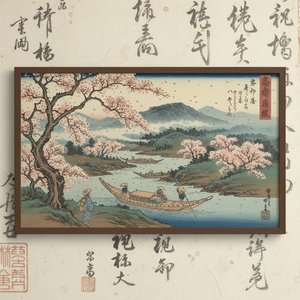
Ephemeral Landscapes: Hiroshige's Poetics of Transient Beauty in Edo Japan
Explore the captivating world of Utagawa Hiroshige's ukiyo-e landscapes. Discover his artistic innovations, influence on Western art, and the poetics of transient beauty in Edo period Japan. A guide for collectors & enthusiasts.
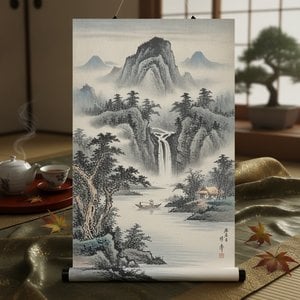
Serenity on Canvas: A Guide to the Timeless Beauty of Japanese Landscape Painting
Discover the serene beauty of Japanese landscape painting. From Hokusai's iconic woodblock prints to meditative sumi-e ink washes, explore a visual journey through the 'floating world' and learn how to bring this timeless Zen aesthetic into your modern home decor.


