


 效果预览
效果预览
 分享
分享 分享
分享
 详情
详情 指南
指南

 下载
下载
 相似作品
相似作品 X射线
X射线 幻灯片播放
幻灯片播放 统计数据
统计数据Nihon ryakushi

 展开详情
展开详情
艺术微喷/版画
博物馆级艺术微喷或帆布版画,制作高效,并提供多种饰面选择。 ( 购买手绘画作 切换至数字图像销售渠道)




P118B $10

P118H $10

P118W $10

P438Z $10

P508JH $12

P508YH $12

P805H $10

P805Z $10

P919BZ $10

P919G $10

P919XJ $10

P959ZH $10

P968JZ $12

W106C $8

W218G $10

W218JH $8

W218Y $10

W307PJ $10

W316G $10

W316PJ $8

W316Y $10

W398PJ $8

W4111J $10

W500HY $15

W500JH $15

W692G $12

W849H $8

W940BG $15

W953PJ $8




从与原作比例一致的预设尺寸中进行选择。

您可以输入自定义尺寸,以适配特定的画框或空间。如果您选择的尺寸与原图比例不符,我们将对作品进行裁剪,或通过镜像填充/纯色填充边缘的方式来扩展图像。在开始制作之前,我们会向您发送一份数字效果图供您确认。
请注意,屏幕上的预览并不能反映实际的裁剪或扩展效果。只有效果图才能准确展示最终的构图。
虽然我们提供定制尺寸,但为了保持原图比例,我们建议您从预设列表中选择尺寸。


 玻璃选项仅适用于110厘米以下的尺寸。

Nihon ryakushi
艺术微喷/版画
复制品尺寸
-


最终总价
$ 62
A Clash of Titans: Tsukioka Yoshitoshi’s *Nihon ryakushi*
This dramatic woodblock print, *Nihon ryakushi*, by the celebrated Japanese Ukiyo-e artist Tsukioka Yoshitoshi (1839-1892), is a powerful testament to his mastery of the medium and his fascination with themes of heroism and conflict. The artwork depicts a fierce battle between a lone warrior and an immense sea serpent, rendered in a dynamic composition that immediately captures the viewer’s attention.Visual Narrative & Artistic Style
The scene is dominated by swirling blues and blacks, evoking a turbulent ocean and stormy atmosphere. This dark backdrop dramatically contrasts with the stark white figure of the warrior, instantly focusing our gaze on the central struggle. Yoshitoshi employs bold, expressive lines to define both figures – sharp edges for the warrior’s form suggesting strength and determination, while flowing curves delineate the serpent's body, emphasizing its chaotic energy. The style is distinctly *Ukiyo-e* (“pictures of the floating world”), characterized by simplified forms, flattened perspective, and a focus on movement. Notice how Yoshitoshi uses overlapping shapes to create a sense of depth despite the lack of traditional Western perspective.Technique & Materials
*Nihon ryakushi* is a woodblock print, created using the meticulous *Ukiyo-e* technique. This involved carving the design into a wooden block (typically cherry wood), applying ink – in this case, shades of blue and black – and then pressing it onto paper, traditionally Japanese mulberry paper known for its strength and ability to absorb ink beautifully. The visible grain and slight variations in ink density are hallmarks of this process, lending the print a unique tactile quality.Historical Context & Yoshitoshi’s Legacy
Tsukioka Yoshitoshi was one of the last great masters of *Ukiyo-e*, working during the late Edo and early Meiji periods – a time of significant social and political upheaval in Japan. He initially studied under Kuniyoshi, another prominent *Ukiyo-e* artist, but quickly developed his own distinctive style. Yoshitoshi is renowned for revitalizing the woodblock print tradition, often depicting historical scenes, portraits of warriors, and dramatic narratives. His work bridged the gap between traditional Japanese art and modern influences.Symbolism & Emotional Impact
The subject matter itself carries significant symbolic weight. The warrior embodies human courage, resilience, and the fight against overwhelming odds. Conversely, the colossal sea serpent represents the untamed forces of nature – chaos, destruction, and the unpredictable power of the ocean. This struggle can be interpreted as a metaphor for humanity’s ongoing battle with the natural world or internal struggles against adversity. The print evokes feelings of awe, tension, and perhaps even a sense of vulnerability in the face of immense power.Collecting & Interior Design
A reproduction of *Nihon ryakushi* would be a striking addition to any art collection. Its dramatic composition and bold color palette make it a captivating focal point. The print’s themes resonate universally, making it suitable for various interior design styles – from minimalist spaces where its graphic quality can shine, to more eclectic settings where it adds a touch of historical intrigue. Consider framing this piece with a simple mat and frame to allow the artwork itself to take center stage. The print’s dark tones also make it an excellent choice for rooms seeking a sense of drama and sophistication.相似艺术品


艺术家简介
月岡芳年:浮世繪畫的最後巨匠
月岡芳年,原名尾張屋米次郎,生於1839年的江戶(今東京)市。他的一生,恰如其分地交織著傳統與變革、輝煌與困境,最終成為了浮世繪畫史上最後一位偉大的大師。他的藝術生涯跨越了德川幕府末期到明治維新的關鍵時期,深刻反映了日本社會劇烈的轉型和文化衝擊。芳年的作品不僅是對傳統技法的精湛傳承,更是對時代精神的勇敢捕捉,以其獨特的視角和充滿力量的筆觸,為浮世繪畫注入了最後一抹耀眼的光彩。他並非僅僅是一位藝術家,更是一位見證者、一位記錄者,用他的木刻版畫,忠實地呈現了一個時代的興衰與變遷。從學徒到獨立之路
芳年的藝術生涯始於師承歌川廣重門下,廣重是浮世繪畫壇上一位極具影響力的巨匠。在廣重的指導下,芳年系統地學習了傳統的木刻版畫技法,精通了構圖、線描和色彩運用等方面的技巧。然而,他並未滿足於僅僅繼承前人的成就,而是渴望開創屬於自己的藝術風格。他不斷探索新的表現形式,勇於挑戰傳統的束縛,逐漸形成了自己獨特的藝術個性和審美觀。早期的作品中,我們可以看到廣重對他的影響,但隨著時間的推移,芳年的作品開始展現出更加鮮明的主題和更為激烈的風格。他不再局限于風景畫或美人畫,而是將目光投向了社會現實,關注歷史事件、戰爭場景以及人物的內心世界。這種轉變,反映了他對時代變遷的敏銳感知和對藝術表現形式的不斷追求。血色與激情:芳年的創新之路
1860年代中期,芳年以其充滿暴力和死亡元素的“血腥版畫”系列而聲名鵲起。這些作品描繪了戰爭、謀殺等殘酷場景,畫面震撼人心,引發了當時社會的廣泛關注和爭議。然而,正是這種對黑暗面的直面和對人性的深刻剖析,使芳年的作品超越了傳統浮世繪的範疇,成為了一種具有強烈表現力和感染力的藝術形式。他並非為了追求刺激而刻意渲染暴力,而是試圖通過這些畫面來反映當時日本社會的動蕩不安和人們內心的焦慮與恐懼。同時,他也將西方繪畫中的透視技巧和構圖方法融入到自己的作品中,使得畫面更加具有立體感和空間感。這種融合了東西方藝術元素的創新風格,為浮世繪畫注入了新的活力。時代的變遷與藝術的沉澱
明治維新後,日本社會發生了翻天覆地的變化。西方文化的湧入、科技的進步以及傳統產業的衰落,都對浮世繪畫產生了巨大的衝擊。攝影技術的普及使得木刻版畫失去了原有的市場優勢,而新的印刷技術也逐漸取代了傳統的手工技法。面對這種困境,芳年並沒有放棄自己的藝術理想。他不斷探索新的創作方向,嘗試將自己融入到新的時代潮流中。他為報刊雜誌設計插圖,參與新興的商業廣告製作,並在作品中融入了更多現代元素。儘管如此,他也深感傳統浮世繪的逐漸沒落,對日本文化的未來充滿了擔憂。他用他的畫筆記錄著時代的變遷,也表達著自己對逝去傳統的惋惜和對未來的期盼。芳年的藝術遺產
月岡芳年的一生是藝術與挑戰並存的一生。儘管他面臨著來自社會、經濟和技術等多方面的壓力,但他始終堅持自己的藝術理想,不斷創新和探索。他的作品不僅是對浮世繪畫的傑出貢獻,也是對日本文化的重要記錄。他以其獨特的視角和充滿力量的筆觸,為我們呈現了一個動蕩不安卻又充滿希望的時代。如今,芳年的作品被世界各地的博物館和收藏家所珍藏,他的藝術成就也得到了越來越多的認可。他不僅是浮世繪畫史上最後一位偉大的大師,更是日本文化寶庫中一顆璀璨的明珠。芳年主要成就
- 武者絵帳(Musha-e)系列: 以其充滿力量和動感的戰鬥場景而聞名。
- 二十八支首(Eimei nijûhasshûku): 描繪了二十八起著名謀殺案,以其震撼人心的畫面而引人注目。
- 浮世英像(Fuzsei Eisho): 以其對歷史人物的深刻刻畫而受到讚譽。
- 芳年將傳統浮世繪技法與西方藝術元素相結合,開創了獨特的藝術風格。
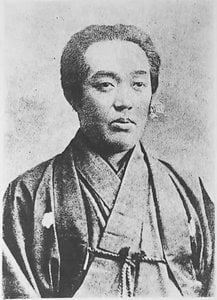
月岡芳年
1839 - 1892 , 日本
艺术家简介
- Artistic Movement Or Style: 浮世绘 (Ukiyo-e)
- Artists Or Movements Influenced By This Artist: ['后世日本艺术家']
- Artists Who Influenced This Artist: ['歌川国芳']
- Date Of Birth: 1839年4月30日
- Date Of Death: 1892年6月9日
- Full Name: 月岡芳年
- Nationality: 日本
- Notable Artworks:
- 東都名所図画
- 花川戸
- 武者絵詞
- 美人合戦
- 月岡芳年百物語
- Place Of Birth: 东京, 日本
相关文章

木刻版画的持久遗产:技术、历史与艺术表达 (Mùkè bǎnhuà de chíjiǔ yíchǎn: jìshù, lìshǐ yǔ yìshù biǎodá)
探索浮世绘的迷人世界:深入了解其历史、精湛技法和对西方艺术的深远影响。ArtsDot为您提供专业的艺术咨询与高品质浮世绘复制品,重现经典之美。


Japonisme: How Japanese Woodblock Prints Revolutionized Western Art
Explore the profound impact of Japonisme on Western art. Discover how Japanese ukiyo-e woodblock prints revolutionized perspective, color, and composition for masters like Monet and Van Gogh, forever changing the course of modern art history.

Tsukioka Yoshitoshi: A Master of Ukiyo-e's Final Flourish – Narrative, Innovation, and the Meiji Transition
Explore the life & art of Tsukioka Yoshitoshi, the last great master of ukiyo-e woodblock printing. Discover his dramatic warrior prints, innovative series like 'One Hundred Aspects of the Moon,' and legacy reflecting Japan's Meiji transition.

葛饰北斋:25幅传世名作,浮世绘大师的艺术传奇 (Katsushika Hokusai: 25 Masterpieces, The Art Legacy of the Ukiyo-e Master)
探索葛饰北斋的25幅传世名作!深入了解浮世绘大师的艺术传奇,感受《神奈川冲浪波》等经典作品背后的故事与魅力。ArtsDot.com提供博物馆级高质量复制品,为您的家居带来日本风情和艺术灵感。立即探索完整系列!


