


 实景预览
实景预览
 发送
发送 分享
分享
 详情
详情 指南
指南

 下载图片
下载图片
 相似作品
相似作品 X射线
X射线 幻灯片播放
幻灯片播放 统计数据
统计数据William Dampier
 Dutch Golden Age
 1698
1698 75.0 x 63.0 cm
 阅读全文
阅读全文
手工油画复制品
由我们的艺术家按需定制,为您提供您所选尺寸及画框的布面手工油画。 ( 切换至版画销售渠道 切换至数字图像销售渠道)




P118B ¥10

P118H ¥10

P118W ¥10

P438Z ¥10

P508JH ¥12

P508YH ¥12

P805H ¥10

P805Z ¥10

P919BZ ¥10

P919G ¥10

P919XJ ¥10

P959ZH ¥10

P968JZ ¥12

W106C ¥8

W218G ¥10

W218JH ¥8

W218Y ¥10

W307PJ ¥10

W316G ¥10

W316PJ ¥8

W316Y ¥10

W398PJ ¥8

W4111J ¥10

W500HY ¥15

W500JH ¥15

W692G ¥12

W849H ¥8

W940BG ¥15

W953PJ ¥8




您可以从与原作比例一致的预设尺寸中进行选择。

请输入您需要的宽度和高度,以适配您的画框或墙面。由于作品为手工绘制,若您选择不同的尺寸比例,艺术家可能会在画面边缘多画一些或稍作裁剪 —— 由您决定。在开始绘画之前,我们会为您发送一份数字效果图供您确认。本页面上展示的图片并非最终实物 —— 只有效果图才能反映真实结果。
下单后,ArtsDot.com 团队将通过电子邮件联系客户获取具体要求,并提供效果预览图


 玻璃选项仅适用于110厘米以下的尺寸。

William Dampier
复制品材质
复刻品尺寸说明
-


总计金额
¥ 1767
A Window into 17th-Century Exploration: Thomas Murray’s Portrait of William Dampier
This striking half-length portrait by Scottish artist Thomas Murray captures the essence of *William Dampier*, a figure who embodied the spirit of adventure and scientific inquiry during the late 17th century. Painted in 1698, the artwork offers not just a likeness but a glimpse into an era defined by exploration, piracy, and burgeoning natural history. The composition, reminiscent of Dutch Golden Age portraiture, centers Dampier against a dark, richly textured background that dramatically highlights his features and attire. Measuring 75 x 63 cm, this oil on canvas work showcases Murray’s skill in rendering realistic detail and dramatic lighting – hallmarks of the period.Decoding the Image: Style & Technique
Murray masterfully employs a chiaroscuro technique—the strong contrast between light and dark—to sculpt Dampier's form, emphasizing his face and upper torso while allowing the lower portion to recede into shadow. This creates a sense of depth and volume, drawing the viewer’s eye directly to the subject’s gaze. The brushwork is visible yet refined, lending texture and a subtle roughness that enhances the painting’s three-dimensionality. The color palette, dominated by warm browns, reds, and creams, evokes a sense of seriousness and introspection. Note the careful use of white highlights to accentuate details in Dampier's clothing – a testament to Murray’s attention to realism. The shallow perspective focuses intently on the subject’s face, fostering an immediate connection with the viewer.Beyond the Likeness: Historical Context & Symbolism
The portrait is far more than just a representation of a man; it's a portrayal of a pivotal historical figure. William Dampier was a complex character – explorer, pirate, privateer, navigator, and naturalist. He was the first Englishman to explore parts of Australia and circumnavigated the globe three times. His voyages were instrumental in expanding European knowledge of the world, and he is considered by some as Australia’s first natural historian. Dampier's attire – though not overtly ostentatious – suggests a man of status and wealth, likely reflecting his success (and perhaps notoriety) as a privateer. The portrait was commissioned during a period when depictions of explorers were gaining prominence, fueled by public fascination with newly discovered lands and cultures.Emotional Resonance & Lasting Appeal
The painting conveys an air of quiet authority and thoughtful contemplation. Dampier’s direct gaze engages the viewer, inviting us to consider his remarkable life and adventures. There's a sense of resilience and perhaps even melancholy in his expression – hinting at the hardships and uncertainties inherent in a life spent navigating uncharted waters. This portrait is not merely a historical artifact; it’s a compelling character study that continues to resonate with audiences today. Its classic style, rich colors, and masterful technique make it an ideal addition to any collection or interior space seeking a touch of timeless elegance and adventurous spirit.问答详情
"William Dampier" 的色彩呈现出浓郁还是柔和的视觉感?
Thomas Murray 的《William Dampier》 中的色彩呈现出 Monochromatic 的强度。
Thomas Murray 的《William Dampier》 的亮度如何?
Thomas Murray 的《William Dampier》 的亮度为 Dark。亮度描述了色彩呈现出的反射光量。
"William Dampier" 的创作者是谁?
《William Dampier》被归为Thomas Murray的作品。
相关艺术品


艺术家简介
Early Life and Apprenticeship
Thomas Murray, born in Scotland in 1663, emerged during a period of significant artistic transition. While details surrounding his early upbringing remain somewhat elusive, it is known that he initially received instruction from a member of the esteemed De Critz family—a lineage renowned for their limner work and heraldic painting. This foundational training likely instilled in Murray a meticulous attention to detail and an appreciation for refined technique. However, recognizing the burgeoning demand for portraiture, his artistic path soon led him to London and the studio of John Riley, arguably the most successful portraitist of the late 17th century England. Riley’s workshop was a hub of activity, catering to the aristocracy and gentry, and Murray quickly absorbed the prevailing style—a focus on capturing likeness with an emphasis on facial features, often leaving the broader composition and background details to assistants. This division of labor was common at the time, but it shaped Murray's early career trajectory.
A Flourishing Portrait Practice
Following Riley’s death in 1691, Murray inherited not only his studio space but also a substantial clientele. He rapidly established himself as a prominent portrait painter, becoming highly sought after by noble patrons and individuals of standing. The early years of the 18th century saw him consistently engaged in commissions, painting members of Parliament, military figures, and other influential personalities. His style, while initially derivative of Riley’s, gradually developed its own distinct character—a refined elegance coupled with a remarkable ability to convey personality through subtle nuances of expression. Murray's success wasn’t solely attributable to his artistic skill; he cultivated a reputation for being courteous, diligent, and attentive to the needs of his sitters, fostering strong relationships that secured repeat business and valuable referrals.
Royal Commissions and Artistic Recognition
A pivotal moment in Murray’s career arrived in 1703 when he received the prestigious commission to paint Queen Anne for the Society of the Middle Temple. This portrait, a testament to his growing reputation, solidified his position among the leading artists of the day. The work exemplifies his mastery of capturing regal bearing and dignified composure. Beyond this significant royal commission, Murray continued to receive commissions from prominent figures, including William Dampier, the renowned explorer, whose portrait showcases his ability to depict character and experience. He was a prolific artist, producing numerous portraits that now grace both public institutions and private collections.
The Uffizi Self-Portrait and Later Life
In 1708, Murray embarked on a journey to Italy, a common practice for aspiring artists seeking inspiration from the Old Masters. During his visit to Florence, he contributed a self-portrait to the esteemed Uffizi Gallery—a gesture that underscored his ambition and desire for recognition within the broader European art world. This portrait, like many of his others, was subsequently engraved, further disseminating his image and style. Despite achieving considerable financial success – it is reported he left £40,000 upon his death in 1734—Murray’s later life was marked by a degree of irony. He had reportedly complained of poverty throughout his career, yet amassed a substantial fortune through shrewd investments alongside his painting practice. His will stipulated the erection of a monument with a bust in Westminster Abbey, but only if it did not prove too costly. Ultimately, his nephew deemed the cost prohibitive and instead buried him in St. Paul’s, Covent Garden, leaving the grand memorial unrealized.
Legacy and Historical Significance
Thomas Murray occupies a fascinating position within the history of British portraiture. He was not an innovator in the same vein as Van Dyck or Reynolds, but he was a highly skilled craftsman who successfully catered to the tastes of his era. His portraits offer valuable insights into the social and political landscape of early 18th-century England, capturing the likenesses of individuals who shaped the nation’s destiny. While often described as a “face painter,” relying on assistants for broader compositional elements, Murray's ability to imbue his sitters with personality and dignity remains undeniable. His work serves as a compelling reminder of the importance of portraiture in documenting history and preserving the memory of those who came before. His contribution lies not in revolutionizing artistic technique but in consistently delivering high-quality portraits that met the demands of a discerning clientele, securing his place as one of Scotland’s most successful portrait painters.

Thomas Murray
1663 - 1734
快速概览
- Full Name: Thomas Murray
- Nationality: Scottish
- Date Of Birth: 1663
- Date Of Death: 1734
- Place Of Birth: Scotland
- Notable Artworks:
- Captain William Dampier
- Sir John Pratt
- Christopher, duke of Albemarle
- Artistic Movement Or Style: Portrait Painting
- Artists Who Influenced This Artist: ['John Riley']
- Artists Or Movements Influenced By This Artist: ['Dutch Golden Age']
相关文章

荷兰黄金时代:十幅定义艺术史的巨作 | ArtsDot
探索荷兰黄金时代的艺术巅峰! 伦勃朗、维米尔等大师名作,带您领略巴洛克艺术的辉煌。高清画作、博物馆级品质,点亮您的家居空间。ArtsDot.com 提供精选艺术复制品和定制装饰方案。立即在线探索全系列!

荷兰黄金时代绘画:文化创新中的现实主义反思
深入探索荷兰黄金时代绘画的文化创新与现实主义反思。本文解读伦勃朗、维米尔等大师的作品,并结合玛莉特·韦斯特曼的图像学研究,揭示艺术史背后的社会语境与现代性意识觉醒。

光影交织的时代:荷兰黄金时代绘画艺术的兴盛与创新
深入探索荷兰黄金时代的绘画艺术:伦勃朗、维米尔等大师的技法与创新,了解巴洛克风格的独特演绎。ArtsDot提供手绘油画复制、艺术咨询及收藏建议,助您领略经典艺术之美。

Golden Light & Dutch Skies: Bringing the Magic of Dutch Golden Age Landscapes into Your Home
Transform your home with the breathtaking light of Dutch Golden Age landscapes. Discover how hand-painted oil reproductions of masterworks like Ruisdael and Vermeer bring timeless elegance, atmosphere, and soulful texture to modern interiors. Elevate your space with museum-quality art.
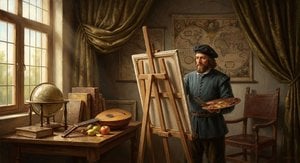
十七世纪荷兰黄金时代绘画:光影、现实与人文精神的辉煌
深入探索十七世纪荷兰黄金时代绘画的辉煌!解读林布兰、维米尔等大师的光影技巧与人文精神,了解巴洛克风格、风俗画的演变。艺术史专家带您领略珍品收藏,提升艺术鉴赏力。