


 实景预览
实景预览
 发送
发送 分享
分享
 详情
详情 指南
指南

 下载图片
下载图片
 相似作品
相似作品 X射线
X射线 幻灯片播放
幻灯片播放 统计数据
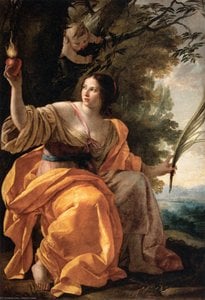
统计数据The Fortune Teller
 Oil On Canvas
- WallArt
- French Baroque
 1617
1617 95.0 x 135.0 cm
 国家美术馆
国家美术馆
 阅读全文
阅读全文
购买高分辨率增强版数字图像,其品质远超在线预览。
每一份文件都由我们的内部专家使用先进工具与专业的后期润色技术精心打造。我们确保每一张图像都具备卓越的清晰度、精准的色彩还原度以及细腻的细节表现。
最终文件将在 72 小时内通过电子邮件交付,并针对专业、编辑及印刷用途进行了优化。其品质与顶级设计工作室、出版社和画廊所信赖的标准完全一致。
数字图像
下载高分辨率文件,用于个人展示、打印及创意项目。 ( 切换至版画销售渠道 订购此收藏品的纯手工复刻画作)
每份数字图像订单均包含的内容
专业级数字交付,品质无忧
选择 ArtsDot.com,您获得的不仅仅是一张图像——您收到的是经过专业级增强、精雕细琢的数字艺术作品,并享有满意保证。以下是您的订单中自动包含的所有内容:

即时邮件交付
您的高分辨率数字图像文件将在下单后 72 小时内通过电子邮件发送给您 —— 即可立即使用。

AI 增强型数字图像
您的艺术品经过专业优化,结合先进的 AI 技术与人工修饰,确保呈现极致的细节、清晰度与色彩准确度。

终身免费重发服务
不小心删除了文件或找不到了?没关系——我们将随时为您免费重发。

无需进口税费,始终如一
即刻拥有您的艺术作品,无需支付任何关税、税费或运费——数字下载始终免税。

色彩精准保障
我们通过专业工具与色彩管理技术,确保您的数字图像尽可能真实地还原原作色彩。

100天满意保证
如果您对所购数字图像不满意,我们将在100天内为您进行修改或提供100%的全额退款——无需任何理由。

100% 退款保证
不满意?在收到数字文件后的100天内,您可以申请全额退款——无需任何理由。

批量订购优惠
购买 3 张享 10% 折扣 - 购买 5 张享 15% 折扣 - 购买 10 张以上享 20% 折扣。非常适合创意项目、画廊及机构使用。
The Enigmatic Allure of Simon Vouet’s “The Fortune Teller”
Simon Vouet's "The Fortune Teller," painted in 1617, isn’t merely a portrait; it’s a carefully constructed tableau brimming with intrigue and a palpable sense of the mystical. Housed within the venerable Galleria Nazionale d’Arte Antica in Rome, this oil on canvas invites viewers into a dimly lit chamber where the boundaries between reality and prophecy blur. Vouet, a pivotal figure bridging the Mannerist and Baroque eras, masterfully employs chiaroscuro – the dramatic interplay of light and shadow – to draw our attention to the central figures and imbue the scene with an almost theatrical intensity.
The composition itself is deliberately layered. At its heart sits a man, his features obscured by a wide-brimmed hat and a flowing beard, engaged in a hushed conversation. He holds an open book, seemingly offering guidance or revealing secrets. Flanking him are two women, their attire – one clad in vibrant red, the other in deep blue – adding splashes of color to the predominantly dark palette. Their attentive gazes suggest they are both recipients and observers of this unfolding drama. The background, rendered in muted tones, serves primarily as a backdrop, emphasizing the figures and creating an atmosphere of hushed anticipation.
A Masterclass in Baroque Technique
Vouet’s technique is a fascinating blend of influences. He absorbed the dramatic lighting favored by Caravaggio, but tempered it with a more refined elegance characteristic of French portraiture. Notice how light pools around the faces and hands, highlighting their expressions and gestures while leaving much of the scene shrouded in shadow. This creates a sense of depth and mystery, inviting speculation about the events taking place within the room. The brushstrokes are smooth and blended, contributing to the painting’s overall polished appearance – a hallmark of Vouet's style.
The use of *sfumato*, another technique borrowed from Leonardo da Vinci, is subtly present, softening edges and creating an atmospheric haze that further enhances the sense of depth. Vouet wasn’t simply replicating Caravaggio; he was adapting his innovations to suit the evolving tastes of the French court, resulting in a uniquely sophisticated style.
Symbolism and Historical Context
"The Fortune Teller" is steeped in symbolism, reflecting the prevailing fascination with astrology, divination, and the occult during the early 17th century. The book held by the central figure likely represents knowledge, prophecy, or perhaps even fate itself. The women, often interpreted as representing fortune tellers or advisors, are positioned to receive this information. The red and blue garments could symbolize different types of wisdom or guidance – a common motif in Renaissance art.
Painted during a period of significant artistic transition in France, Vouet’s work exemplifies the shift from the rigid formality of Mannerism towards the more dynamic and emotionally expressive style of the Baroque. His patronage by influential figures like Cardinal Richelieu helped establish him as one of the leading artists of his time, shaping the course of French painting for decades to come.
A Timeless Appeal: Reproduction Possibilities
The enduring appeal of “The Fortune Teller” lies in its ability to evoke a sense of mystery and intrigue. It’s a scene ripe with narrative possibilities, prompting viewers to imagine the story behind the figures and their exchange. Today, high-quality reproductions of this captivating artwork are available through ArtsDot.com, meticulously crafted using traditional oil painting techniques and premium materials, ensuring that the drama and emotional depth of Vouet's original masterpiece are faithfully preserved. These reproductions offer a beautiful way to bring this iconic work into your home or office – a testament to the enduring power of art.
For further exploration, consider visiting the Galleria Nazionale d’Arte Antica in Rome or delving into online resources like the Web Gallery of Art (The Fortune Teller by VOUET, Simon) and exploring Valentin de Boulogne's work for a deeper understanding of Caravaggio’s influence.
问答详情
“The Fortune Teller”是用什么材质制作的?
西蒙·武埃 的《The Fortune Teller》 的媒介为 Oil On Canvas。复制品旨在呈现该技法的视觉效果。
建议将"The Fortune Teller"用于何处及何种用途?
针对 西蒙·武埃 的《The Fortune Teller》,我们为您提供以下两项建议:用途为 (Accent),适宜空间为 (Living Room)。
“The Fortune Teller”背后的艺术家与艺术风格是哪些?
"The Fortune Teller" 由 西蒙·武埃 以 French Baroque 流派风格创作而成。艺术家与艺术流派共同定义了作品的传承。
相关艺术品




艺术家简介
西蒙·武埃:法国巴洛克绘画的先驱
- 生于: 1590年1月9日,法国巴黎
- 逝世: 1649年6月30日,法国巴黎
西蒙·武埃是法国绘画从风格主义向巴洛克风格过渡时期的一位关键人物。他出生于一个艺术家庭——他的父亲洛朗是一位画家,他的兄弟奥班也投身于艺术领域——武埃接受了早期训练,这为他未来的成功奠定了基础。他的孙子路多维科·多里尼将延续这个家族的艺术血脉。
早年生涯与意大利影响(1608-1627)
- 早期肖像画: 武埃以肖像画家身份开启了职业生涯,展现出早期的天赋。
- 前往英国(1608): 在年仅14岁时,他前往英国为一幅委托的肖像画作画,展示了他日益增长的名声。
- 奥斯曼帝国与威尼斯: 1611年,武埃随法国驻奥斯曼帝国的大使德桑西男爵一行人出游,再次从事肖像画工作。这次旅程带他穿越了君士坦丁堡,随后抵达了威尼斯。
- 罗马(1614-1627): 他在罗马的时光具有变革性的意义。他留居了十三年,沉浸在蓬勃发展的巴洛克艺术场景之中。
在意大利的流放期间,武埃吸收了各种各样的影响。他学习了卡拉瓦乔开创的戏剧性光影技巧,采纳了意大利风格主义的元素,并细致分析了帕奥洛·维罗内塞所采用的调色板和di sotto in su(仰视透视法)。他还从卡拉奇、圭尔奇诺、兰弗兰科和圭多·雷尼的作品中汲取灵感,将这些不同的风格综合成了一种独特的艺术视野。
武埃独特风格的形成
- 当选圣卢卡学院(1624): 他在罗马取得的成功最终促成了他当选享有盛誉的圣卢卡学院院长一职,这证明了他在意大利艺术界的能力和认可度。
- 影响的综合: 武埃的风格特点在于其吸收和提炼各种艺术影响的能力。他并非简单地模仿;而是将这些元素融入了一种连贯而极具意大利风情的巴洛克美学之中。
- 将巴洛克引入法国: 1627年返回法国后,武埃在将意大利巴洛克风格引入法国绘画的过程中发挥了至关重要的作用,极大地影响了该国的艺术格局。
主要成就与遗产
- 国王首席画家: 武埃被任命为Premier peintre du Roi(国王首席画家)——这是一个享有巨大声望和影响力的职位。
- 硕果累累的工作室: 他维持了一个庞大而活跃的工作室,培养了众多艺术家,这些艺术家塑造了后一代的法国画家。
- 杰出弟子: 在他最有影响力的弟子中包括夏尔·勒布朗(后来组织了凡尔赛宫所有的装饰绘画)、瓦伦丁·德·布洛涅、夏尔·阿尔封斯·杜弗雷诺、皮埃尔·米尼亚尔、尤斯塔什·勒苏尔和克劳德·梅朗。
- 对法国艺术的影响: 武埃的影响力超出了他自己的作品;他的学生将他的风格和技巧传播到整个法国,建立了一个独特的巴洛克画派。他在路易十四委托的宏伟装饰方案中影响尤为明显。
历史意义
西蒙·武埃的遗产在于他作为意大利艺术与法国艺术之间一座关键桥梁的作用。他成功地引入了意大利巴洛克的活力和宏大,并将其转化为一种与法国宫廷和贵族品味产生共鸣的风格。他在17世纪法国绘画的发展中留下的影响是不可否认的,他的贡献至今仍受到艺术史学家的认可。

西蒙·武埃
1590 - 1649 , 法国
概览
- Artistic Movement Or Style: 巴洛克绘画
- Artists Or Movements Influenced By This Artist:
- 夏尔·勒布朗
- 瓦朗丁·德·布罗涅
- 法国巴洛克绘画
- Artists Who Influenced This Artist:
- 卡拉瓦乔
- 帕奥洛·维罗内塞
- 卡拉奇
- 圭尔奇诺
- 兰弗兰科
- 圭多·雷尼
- Date Of Birth: 1590年1月9日
- Date Of Death: 1649年6月30日
- Full Name: 西蒙·武埃
- Nationality: 法国
- Place Of Birth: 法国巴黎