


 效果预览
效果预览
 购买印刷品
购买印刷品 分享
分享 分享
分享
 详情
详情

 下载
下载
 相似作品
相似作品 X射线
X射线 幻灯片播放
幻灯片播放Cupid


 展开详情
展开详情




P118B $10

P118H $10

P118W $10

P438Z $10

P508JH $12

P508YH $12

P805H $10

P805Z $10

P919BZ $10

P919G $10

P919XJ $10

P959ZH $10

P968JZ $12

W106C $8

W218G $10

W218JH $8

W218Y $10

W307PJ $10

W316G $10

W316PJ $8

W316Y $10

W398PJ $8

W4111J $10

W500HY $15

W500JH $15

W692G $12

W849H $8

W940BG $15

W953PJ $8




从与原作比例一致的预设尺寸中进行选择。

您可以输入自定义尺寸,以适配特定的画框或空间。如果所选尺寸与原图比例不符,我们将通过裁剪作品或添加手绘元素来扩展画面。数字样稿将在制作开始前发送给您确认。
请注意,屏幕预览无法准确反映实际的裁剪或扩展效果,只有样稿才能真实呈现最终的构图。
虽然我们提供定制尺寸服务,但为了保留原作比例,建议您从预设列表中选择尺寸。
下单后,ArtsDot.com 团队将通过电子邮件联系客户获取具体要求,并提供效果预览图。


 玻璃选项仅适用于110厘米以下的尺寸。

Cupid
复制材质
复制品尺寸
-


最终总价
$ 263
Louis-Simon Boizot’s Cupid: A Testament to Neoclassical Grace Amidst Rococo Echoes
The marble statue of Cupid by Louis-Simon Boizot, created in 1772, stands as a remarkable embodiment of the artistic sensibilities prevalent during the late Enlightenment—a period characterized by both fervent neoclassical idealism and lingering vestiges of rococo exuberance. Sculpted by Boizot for Sèvres porcelain production, this exquisite piece exemplifies his mastery of form and technique, securing him a prominent position amongst the foremost sculptors of his time. Examining its composition, stylistic influences, and symbolic resonance unveils a deeper understanding of artistic taste and cultural values during this pivotal era. Boizot’s sculptural output, though comparatively modest in scale compared to his prolific ceramic achievements, nevertheless possesses an enduring significance due to its contribution to establishing aesthetic standards and disseminating innovative sculpting techniques. Born into a family steeped in artistic heritage—his father, Antoine Boizot, was a designer at the Gobelins Manufactory of Tapestries—Boizot’s formative years instilled within him a profound appreciation for meticulous detail and formal beauty. At sixteen, he pursued his artistic ambitions under the tutelage of René-Michel Slodtz, another influential sculptor who championed classical ideals and anatomical precision. This mentorship profoundly shaped Boizot's artistic vision, fostering an unwavering commitment to achieving sculptural excellence. The statue itself depicts Cupid in a dynamic contrapposto pose—a technique borrowed directly from Bernini’s monumental sculptures—which lends him an elegant and naturalistic stance. The sculptor skillfully captures the musculature of Cupid’s torso and limbs with remarkable anatomical accuracy, reflecting the prevailing neoclassical preoccupation with representing the human form realistically while adhering to idealized proportions. Furthermore, Boizot's meticulous attention to surface texture—evident in the subtle variations of tone within the marble—creates a palpable sense of tactile realism, mirroring the aesthetic aspirations of the rococo movement yet firmly grounding the sculpture in classical principles. The dramatic directional lighting accentuates Cupid’s sculpted form and generates striking shadows that emphasize the textural nuances of the marble, enhancing its visual impact and conveying an emotional depth beyond mere representation. The statue's pyramidal composition—a hallmark of neoclassical sculpture—visually anchors Cupid within a stable framework while simultaneously directing the viewer’s gaze towards his central figure. The drapery folds surrounding Cupid are rendered with graceful fluidity and precision, mirroring the curvilinear elegance characteristic of rococo ornamentation—a stylistic influence that subtly softens the rigidity inherent in neoclassical formalism. Moreover, the statue's symbolic resonance speaks to enduring themes of love, desire, and divine grace—concepts deeply rooted in classical mythology and Christian theology. Cupid’s bow and arrow serve as potent emblems of masculine potency and feminine receptivity, symbolizing the transformative power of romantic connection. Ultimately, Boizot’s Cupid transcends mere visual spectacle; it embodies a profound artistic statement that encapsulates the intellectual and aesthetic currents shaping European culture during the Enlightenment. Its enduring appeal lies in its harmonious blend of neoclassical restraint and rococo charm—a testament to Boizot's exceptional skill as a sculptor and his unwavering devotion to upholding classical ideals while embracing stylistic innovation. This masterpiece continues to inspire artists and collectors alike, serving as an exemplar of sculptural excellence and artistic legacy.相似艺术品


艺术家简介
The Sculptor of Porcelain Elegance and Rococo Sentiment
Louis-Simon Boizot (1743–1809) stands as a pivotal figure in the decorative arts of the late Enlightenment, a master whose hands bridged the gap between the delicate allure of Rococo ornamentation and the disciplined restraint of Neoclassicism. While his large-scale marble works possess a profound dignity, Boizot is most intimately remembered for his transformative contributions to Sèvres porcelain production. In this medium, he achieved a rare synthesis of form and texture, creating biscuit figures that captured the very essence of French aristocratic taste. His work does not merely exist as ornament; it serves as a tactile chronicle of an era where the pursuit of beauty was inextricably linked to the ideals of classical antiquity and the refined elegance of the French court.
Born into a lineage deeply embedded in the fabric of French craftsmanship, Boizont’s artistic journey was predestined by his heritage. His father, Antoine Boizot, was a distinguished designer at the Gobelins Manufactory of Tapestries, providing the young artist with an early and profound immersion in the meticulous world of decorative design. This foundational exposure to fine detail and formal beauty became the cornerstone of his technique. At the tender age of sixteen, Boizot entered the prestigious Académie Royale de peinture et de sculpture, placing himself under the mentorship of René-Michel Slodtz. This apprenticeship was transformative, connecting him to the lineage of influential sculptors like Houdon and instilling in him a rigorous understanding of anatomical precision and classical proportions that would define his later mastery.
A Journey Through Antiquity and the Prix de Rome
The trajectory of Boizot’s career was irrevocily altered by his triumph in the 1762 Prix de Rome. This prestigious accolade granted him a five-year residency at the French Academy in Rome, a period that acted as a crucible for his artistic evolution. Immersed in the grandeur of Roman ruins and the enduring lessons of classical sculpture, Boizot absorbed the burgeoning humanist ideals of the neoclassical revival. It was in the shadows of antiquity that he learned to balance the fluid, emotive qualities of the Rococo style with the structural clarity and idealized grace of the ancient world. This tension between movement and stability became a hallmark of his sculptural language.
Upon his return to Paris, Boizot’s life and art continued to flourish within the highest circles of French society. His marriage to Marguerite Virginie Guibert, daughter of the sculptor Honoré Guibert, further cemented his place within an elite artistic community. As a regular exhibitor at the annual Salons until 1800, he documented the shifting aesthetic tides of France, moving from the whimsical flourishes of the mid-century toward the more somber, heroic compositions favored by the late Enlightenment. His ability to translate these complex cultural shifts into tangible forms—whether in marble or porcelain—secured his reputation as a sculptor of unparalleled versatility.
Legacy of the Sèvres Master
The true enduring legacy of Louis-Simon Boizot lies in his ability to elevate decorative objects to the status of fine art. His models for biscuit porcelain figures at Sèvres are celebrated for their exquisite delicacy, often capturing mythological themes with a sense of lifelike grace that belies the medium's fragility. Through these works, he disseminated a standardized aesthetic of elegance across Europe, influencing the tastes of royalty and the burgeoning bourgeoisie alike.
His contributions can be summarized through several key artistic pillars:
- Technical Mastery: The seamless integration of anatomical accuracy with the soft, matte texture of biscuit porcelain.
- Stylistic Synthesis: A unique ability to harmonize the lingering emotional warmth of the Rococo with the structural discipline of Neoclassicism.
- Cultural Impact: His role in defining the visual identity of the Sèvres manufactory during its most prestigious era.
- Historical Significance: Serving as a vital link between the decorative traditions of the Gobelins and the high sculptural ideals of the Académie Royale.
Today, when we gaze upon the porcelain Cupids or the marble reliefs attributed to Boizot, we see more than mere decoration; we witness the breath of the Enlightenment captured in clay and stone. He remains a sculptor who understood that true beauty resides in the delicate balance between the ephemeral charm of a moment and the eternal strength of classical form.

simon louis boizot
1743 - 1809
艺术家简介
- Artistic Movement Or Style: Neoclassical & Rococo
- Artists Or Movements Influenced By This Artist: ["Jean Baptiste D'Huez"]
- Artists Who Influenced This Artist: ['René Michel Slodtz']
- Date Of Birth: 1743
- Date Of Death: 1809
- Full Name: Louis-Simon Boizot
- Nationality: French
- Notable Artworks:
- Saint Louis
- Cupid
- Place Of Birth: France
相关文章

Bronze Sculptures That Defined Art History | ArtsDot
Journey through art history with our Top 10 bronze sculptures! Explore masterpieces by Rodin, Michelangelo & more. Discover stories behind iconic statues and find museum-quality reproductions for your home decor at ArtsDot.com.

Bronze Age to Modern Masters: 10 Sculptures That Redefined Art | ArtsDot
Journey through art history with 10 legendary bronze sculptures – from Michelangelo's David to Rodin’s Thinker. Explore the stories, techniques & timeless beauty of these masterpieces. Find museum-quality reproductions & elevate your home decor on ArtsDot.com.

The Enduring Form: Exploring Themes & Techniques in Sculpture Across Historical Periods
Explore the rich history of sculpture from ancient masterpieces to contemporary innovations. Discover key techniques, influential artists & investment potential for discerning art collectors.

The Enduring Form: Sculpture Across History, Technique & Emotional Resonance
Explore the rich history of sculpture with ArtsDot. Discover key techniques, influential artists & investment potential for discerning collectors. Expert insights into valuing and collecting timeless masterpieces.
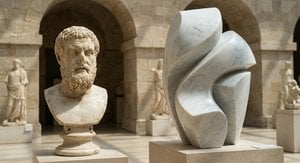
The Enduring Allure of Marble in Art History: From Classical Sculpture to Modern Abstraction
Explore the captivating history of marble sculpture from ancient Greece to modern art. Discover renowned artists like Canova & Michelangelo, carving techniques, and investment insights at ArtsDot.

