
- 首页

- 帆布打印
- selwyn wilson
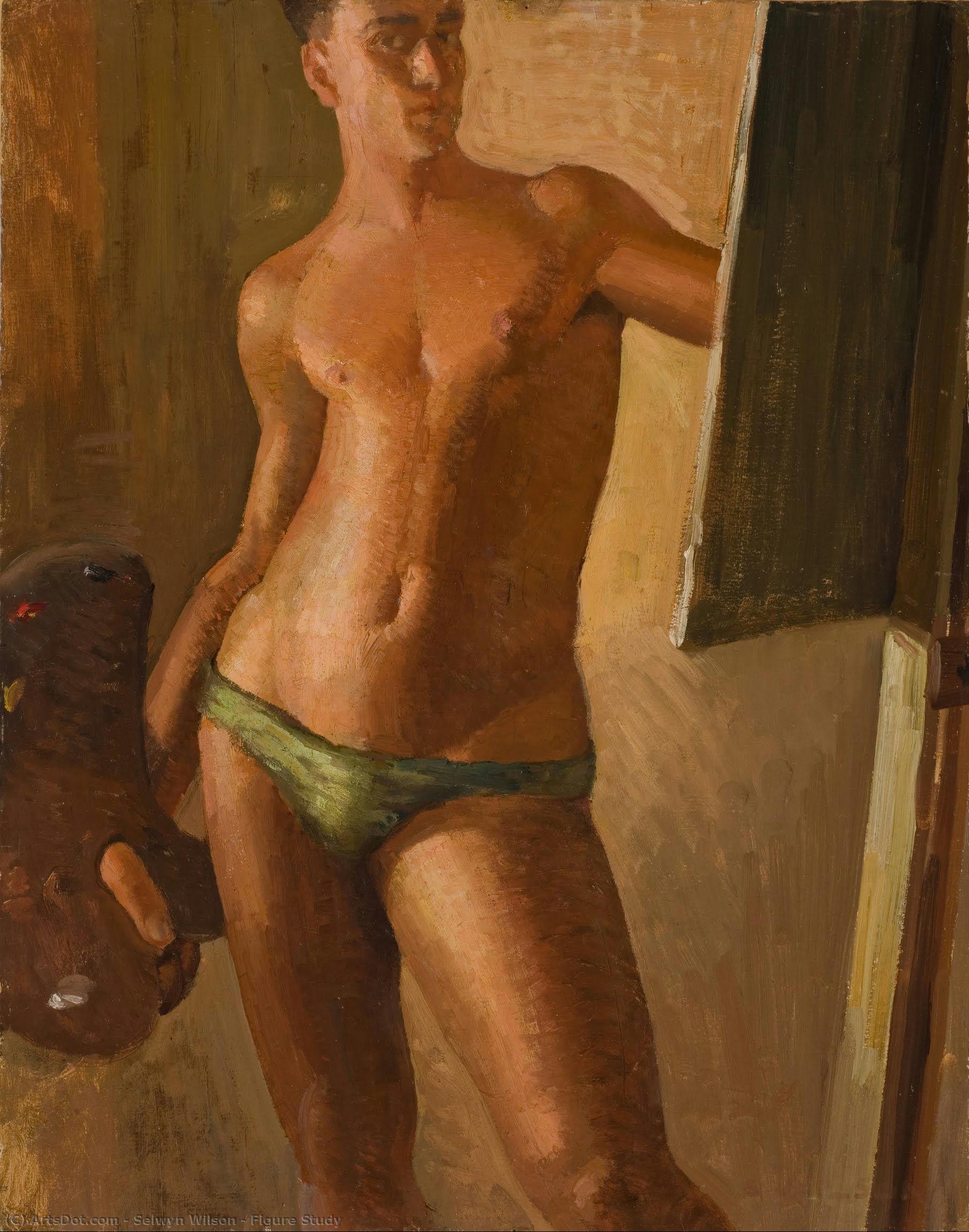
- Figure Study
 Preview
 定制手绘复刻品
 分享
分享 分享
分享
 详情
详情

 下载
下载
 相似作品
相似作品 X射线
X射线 幻灯片播放
幻灯片播放Figure Study
 Oil On Board
- Post-Impressionist Style
 1949
1949- 19th Century
 45.0 x 58.0 cm
 奥克兰美术馆 Toi o Tāmaki
 展开详情
展开详情




P118B $10

P118H $10

P118W $10

P438Z $10

P508JH $12

P508YH $12

P805H $10

P805Z $10

P919BZ $10

P919G $10

P919XJ $10

P959ZH $10

P968JZ $12

W106C $8

W218G $10

W218JH $8

W218Y $10

W307PJ $10

W316G $10

W316PJ $8

W316Y $10

W398PJ $8

W4111J $10

W500HY $15

W500JH $15

W692G $12

W849H $8

W940BG $15

W953PJ $8




从与原作比例一致的预设尺寸中进行选择。

您可以输入自定义尺寸,以适配特定的画框或空间。如果您选择的尺寸与原图比例不符,我们将对作品进行裁剪,或通过镜像填充/纯色填充边缘的方式来扩展图像。在开始制作之前,我们会向您发送一份数字效果图供您确认。
请注意,屏幕上的预览并不能反映实际的裁剪或扩展效果。只有效果图才能准确展示最终的构图。
虽然我们提供定制尺寸,但为了保持原图比例,我们建议您从预设列表中选择尺寸。


 玻璃选项仅适用于110厘米以下的尺寸。

Figure Study
艺术微喷/版画
复制品尺寸
-


最终总价
-
藏品详情
Selwyn Wilson’s ‘Figure Study’: A Nocturne of Self-Reflection
“Figure Study,” created in 1949 by Selwyn Wilson, is more than just a depiction of a nude form; it's a poignant meditation on identity and the act of observation. Painted during a pivotal moment in New Zealand’s artistic development – a time when emerging artists were challenging established norms while still benefiting from the mentorship of seasoned masters – this work embodies the quiet intensity characteristic of Post-Impressionist influences, particularly those of Paul Cézanne. Wilson's decision to portray himself within the confines of his studio, reflected in the mirror’s gaze, immediately establishes a sense of intimacy and vulnerability. The stark lighting, typical of nocturnal scenes, amplifies this feeling, creating an atmosphere both contemplative and slightly unsettling.
- Subject Matter: A self-portrait as nude figure within a studio setting.
- Artist: Selwyn Wilson (1927-Present)
- Date: 1949
- Size: 45 x 58 cm
- Medium: Oil on Board
Post-Impressionist Echoes and Technical Mastery
Wilson’s artistic lineage is clearly visible in “Figure Study.” He was profoundly influenced by John Weeks and Archibald Fisher, who instilled within him a rigorous approach to technique – emphasizing colour, texture, and form. This training, combined with his own innate sensitivity, allowed him to create a work that avoids mere representation and instead delves into the emotional core of the subject. The brushwork is deliberate yet fluid, suggesting both careful observation and an expressive impulse. Note the subtle variations in tone and texture – particularly evident in the rendering of the skin and the draped fabric – which contribute significantly to the painting’s tactile quality. The use of a limited palette, dominated by muted blues, browns, and greys, further enhances the work's somber mood and reinforces its connection to the Post-Impressionist tradition.
Symbolism and Context: A Generational Shift
The painting’s creation in 1949 is significant. It represents a nascent artistic movement in New Zealand, one that was largely unconcerned with achieving widespread recognition or adhering strictly to established canons. Wilson's empathy for his students, as evidenced by his statement about “awareness of the place where they live,” reflects this spirit of generosity and experimentation. The Auckland Art Gallery’s purchase of Wilson’s student work – an unprecedented event at the time – underscored the gallery’s commitment to supporting emerging talent and recognizing the value of unconventional approaches. The mirror itself is a potent symbol, reflecting not just the artist's physical form but also his inner self, inviting viewers to contemplate their own perceptions and identities.
Emotional Impact and Aesthetic Appeal
"Figure Study" possesses a remarkable honesty that resonates with viewers even today. The vulnerability of the subject matter, combined with Wilson’s masterful technique, creates a powerfully evocative image. Its quiet intensity invites contemplation on themes of self-awareness, isolation, and the relationship between art and identity. This piece would be an exceptional addition to any collection, offering both aesthetic pleasure and intellectual stimulation. Its dimensions (45 x 58 cm) make it suitable for a variety of interior spaces, from smaller studies to more expansive living areas.


![Nude Figure [reverse] — 恩斯特·路德维希·基尔希纳](/media/artworks/images/thumbnails/17/5f/175f19e550a54833b904625b83218ba1.jpg)
相关文章

纽约大都会艺术博物馆25幅必赏杰作:艺术、历史与家居灵感
探索纽约大都会艺术博物馆25幅传世杰作!从梵高、莫奈到达芬奇,深入了解艺术大师的故事与创作灵感。精美油画复制品,为您的家居带来艺术气息。立即在ArtsDot.com发现更多经典作品。

弗朗西斯·培根:25幅震撼人心的杰作,重塑艺术与家居空间 | Francis Bacon's 25 Masterpieces
探索弗朗西斯·培根25幅震撼人心的杰作,深入了解这位现代艺术大师的创作故事与情感世界。从《三幅习作》到肖像画,感受抽象表现主义的魅力。ArtsDot.com提供高品质艺术品复制,为您的家居空间增添艺术气息!立即探索完整系列。
费尔南·莱热:25幅大师杰作,重塑现代艺术与家居美学 | ArtsDot
探索费尔南·莱热25幅经典杰作!深入了解这位立体主义大师的管形主义风格、机械美学与色彩构成。ArtsDot提供高清艺术复制品,为您的家居带来现代艺术气息。立即发现更多名画,打造专属艺术空间!

马蒂斯大师25幅杰作:色彩与光影的艺术传奇 | ArtsDot
探索亨利·马蒂斯25幅杰作,感受野兽派色彩的魅力!从《舞蹈》到《红色和谐》,揭秘大师背后的故事与艺术灵感。ArtsDot.com提供博物馆级高质量油画复制品,为您的家居增添奢华艺术气息。立即在线探索完整系列!

达芬奇25幅杰作:艺术、科学与永恒的辉煌 | ArtsDot
探索达芬奇25幅杰作!深入了解文艺复兴大师列奥纳多·达·芬奇的艺术传奇,欣赏《蒙娜丽莎》、《最后的晚餐》等经典绘画。ArtsDot.com提供博物馆级复制品和家居装饰灵感。在线探索完整系列!

