


 效果预览
效果预览
 分享
分享 分享
分享
 详情
详情 指南
指南

 下载
下载
 相似作品
相似作品 X射线
X射线 幻灯片播放
幻灯片播放 统计数据
统计数据Yari country
 Pigment
- Contemporary Aboriginal Art
 1989
1989- Contemporary
 160.0 x 200.0 cm
 国立美术馆 (NGV)
 展开详情
展开详情
艺术微喷/版画
博物馆级艺术微喷或帆布版画,制作高效,并提供多种饰面选择。 ( 购买手绘画作 切换至数字图像销售渠道)




































从与原作比例一致的预设尺寸中进行选择。

您可以输入自定义尺寸,以适配特定的画框或空间。如果您选择的尺寸与原图比例不符,我们将对作品进行裁剪,或通过镜像填充/纯色填充边缘的方式来扩展图像。在开始制作之前,我们会向您发送一份数字效果图供您确认。
请注意,屏幕上的预览并不能反映实际的裁剪或扩展效果。只有效果图才能准确展示最终的构图。
虽然我们提供定制尺寸,但为了保持原图比例,我们建议您从预设列表中选择尺寸。


 玻璃选项仅适用于110厘米以下的尺寸。

Yari country
艺术微喷/版画
复制品尺寸
-


最终总价
$ 62
A Journey Through Ancestral Memory
In the profound stillness of "Yari country," the viewer is invited into a landscape that transcends mere geography, entering instead a sacred map of memory and myth. Created in 1989 by the seminal East Kimberley artist Rover Thomas Joolama, this masterpiece serves as a visual chronicle of the Wati kutjarra—the Two Men of Kukatja/Wangkajunga mythology. The painting is not merely an abstract arrangement of pigment; it is a visceral narrative of survival, tragedy, and spiritual transformation. Through a masterful command of color and form, Joolama guides us through a landscape where the boundaries between the physical world and the ancestral spirit realm are beautifully, hauntingly blurred.
The composition unfolds like an ancient epic, beginning in the lower right with a rich, red-ochre expanse. This section represents the wala, or the parched desert, capturing a moment of profound vulnerability where an old spirit man faced the devastating effects of drought. As our eyes move across the canvas, we encounter the striking white expanses of the yari—the milky water billabongs. These luminous areas represent a deceptive sanctuary; while they offered the promise of life, they held a hidden poison that changed the course of the old man's destiny forever. The tension between the warmth of the desert and the stark, cool white of the water creates a rhythmic movement that pulls the observer deeper into the story.
Symbolism and the Eternal Flame
As the narrative progresses toward the upper left, the painting introduces a somber, blackened rectangle—the junpa, or charcoal fire. This element serves as the emotional pivot of the work, representing the moment when a desperate attempt to find warmth spiraled into an uncontrollable blaze. The technique employed by Joolama is deceptively simple yet emotionally heavy; the stark contrast between the dark charcoal tones and the surrounding light creates a sense of entrapment and elemental power. It is here that the tragedy reaches its zenith, as the old man, unable to escape the flames, was consumed by them.
Yet, within this destruction lies a profound spiritual triumph. The painting captures the exact moment of metamorphosis: the transition of the man's essence into the very fabric of the land itself. The vertical black bar, standing as a sentinel on the canvas, represents his club—a symbol of his enduring presence and authority over this country. This inclusion transforms the piece from a depiction of death into a celebration of eternal life. For collectors and enthusiasts of Aboriginal art, this layer of symbolism offers a deep, meditative experience, where every stroke of pigment serves to invoke the permanent spirit of the ancestors.
A Masterpiece for Modern Spaces
For the discerning interior designer or art collector, a high-quality reproduction of "Yari country" offers more than just aesthetic beauty; it provides a focal point of profound cultural depth. The painting’s palette—a sophisticated blend of earthy ochres, stark whites, and deep blacks—complements a wide variety of modern decor styles, from minimalist contemporary to organic, textured interiors. Its large-scale presence (160 x 200 cm) allows it to command a room, acting as a window into the ancient history of Western Australia.
Owning a piece that echoes the pioneering spirit of the East Kimberley School means bringing a fragment of the Dreamtime into the domestic sphere. The texture and movement within Joolama's work provide a tactile quality that invites close inspection, making it an ideal centerpiece for those who value art that stimulates both the intellect and the soul. This reproduction allows the powerful legacy of Rover Thomas Joolama to reside in any space, offering a continuous dialogue between the ancient stories of the desert and the modern world.
相似艺术品


艺术家简介
early life and career
rover thomas joolama, a wangkajunga and kukatja aboriginal australian artist, was born in 1926 at gunawaggi near well 33 on the canning stock route in the great sandy desert of western australia. he spent most of his life working as a stockman in the east kimberley in the north of western australia.artistic journey
thomas began painting on canvas in the early 1980s, soon becoming a pioneer artist of what was later known as the east kimberley school. his work was characterized by its unique blend of traditional aboriginal storytelling and modern artistic expression.- dreamtime story of the willy willy (160 x 200 cm, national gallery of victoria, melbourne, australia, pigment) is a notable example of his work, showcasing his ability to capture the essence of ancestral myths in a modern context.
- yari country (160 x 200 cm, national gallery of victoria, melbourne, australia, pigment) demonstrates thomas's skill in conveying the stories of his people through vibrant, abstract compositions.
awards and exhibitions
thomas was awarded the john mccaughey prize at the art gallery of new south wales in 1990. his work was also featured in a solo exhibition, roads cross: the paintings of rover thomas, at the national gallery of australia, canberra in 1994.legacy and impact
thomas's contributions to aboriginal australian art are undeniable. his unique style has inspired generations of artists, and his work continues to be celebrated globally. as a pioneer of the east kimberley school, thomas paved the way for future aboriginal artists to share their stories through art. view more works by rover thomas joolama on ArtsDot: [https://ArtsDot.com/@/rover-thomas-joolama](https://ArtsDot.com/@/rover-thomas-joolama) explore the national gallery of victoria's collection on ArtsDot: /en/art/show/art-d3c5zh-en/
rover thomas joolama
1926 - 1998 , Australia
艺术家简介
- Artistic Movement Or Style: Impressionism
- Artists Or Movements Influenced By This Artist:
- Degas
- Manet
- Artists Who Influenced This Artist:
- Eugène Boudin
- Mary Cassatt
- Date Of Birth: May 22, 1844
- Date Of Death: June 14, 1926
- Full Name: Mary Stevenson Cassatt
- Nationality: American
- Notable Artworks:
- The Mandolin Player
- Little Girl in a Blue Armchair
- Born to Sing
- Place Of Birth: Allegheny City, PA
相关文章

White on Canvas: 10 Masterpieces & Timeless Elegance for Your Home Decor
Explore 10 iconic white paintings by Monet, Whistler & Rothko! Discover the stories behind these serene masterpieces and their impact on art history. Find museum-quality reproductions for your home decor at .

Kandinsky's Masterpieces: 25 Paintings That Define Abstract Art | ArtsDot
Journey through Wassily Kandinsky's 25 most iconic abstract paintings. Explore his revolutionary use of color, form & spiritual expressionism. Find museum-quality Kandinsky reproductions and elevate your home decor with ArtsDot.com. Discover all masterpieces on ArtsDot.com!

抽象表现主义:十幅定义艺术史的杰作
探索抽象表现主义的十幅经典杰作!波洛克、罗斯科等大师作品,揭秘艺术史上的重要瞬间。ArtsDot.com为您呈现高品质艺术品复制和精选家居装饰方案,感受现代艺术的力量与魅力。立即浏览全系列!
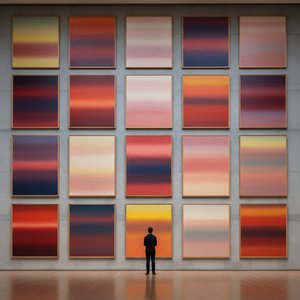
马克·罗斯科25幅杰作:色彩与情感的深度之旅 | ArtsDot
探索马克·罗斯科25幅杰作,感受抽象表现主义的色彩力量与深刻情感。从经典色域绘画到无题系列,了解艺术史上的大师及其作品背后的故事。ArtsDot.com提供博物馆级高质量复制品,为您的家居装饰带来艺术灵感!立即探索完整收藏。

浪漫主义画派的十部巨作:定义风景画的艺术传奇
探索浪漫主义风景画的巅峰!本文精选十部经典名作,带您领略莫奈、库尔贝等大师的艺术魅力。感受色彩与光影的诗意,重温自然风光的震撼。ArtsDot.com为您提供博物馆级别的艺术复制品和个性化家居装饰方案。尽在ArtsDot.com!