


 购买版画
购买版画 分享
分享 分享
分享
 Details

 下载
下载
 相似作品
相似作品 X-Ray
X-Ray 幻灯片播放
幻灯片播放St Columba Altarpiece
 Acrylic On Canvas
- WallArt
- Early Netherlandish Renaissance
 1455
1455 138.0 x 153.0 cm
 老皮那科特美術館




P118B $10

P118H $10

P118W $10

P438Z $10

P508JH $12

P508YH $12

P805H $10

P805Z $10

P919BZ $10

P919G $10

P919XJ $10

P959ZH $10

P968JZ $12

W106C $8

W218G $10

W218JH $8

W218Y $10

W307PJ $10

W316G $10

W316PJ $8

W316Y $10

W398PJ $8

W4111J $10

W500HY $15

W500JH $15

W692G $12

W849H $8

W940BG $15

W953PJ $8




 了解更多
了解更多从与原作比例一致的预设尺寸中进行选择。

您可以输入自定义尺寸,以适配特定的画框或空间。如果所选尺寸与原图比例不符,我们将通过裁剪作品或添加手绘元素来扩展画面。数字样稿将在制作开始前发送给您确认。
请注意,屏幕预览无法准确反映实际的裁剪或扩展效果,只有样稿才能真实呈现最终的构图。
虽然我们提供定制尺寸服务,但为了保留原作比例,建议您从预设列表中选择尺寸。
下单后,ArtsDot.com 团队将通过电子邮件联系客户获取具体要求,并提供效果预览图。


 玻璃选项仅适用于110厘米以下的尺寸。

St Columba Altarpiece
复制材质
复制品尺寸
-


最终总价
-
作品详情
A Window into Faith: Exploring Rogier van der Weyden’s St Columba Altarpiece
The St Columba Altarpiece, completed in 1455 by the Flemish Master Rogier van der Weyden, stands as a testament to the artistic fervor of Early Netherlandish painting and embodies profound spiritual contemplation. More than just a depiction of biblical narrative—the arrival of Saint Columba and his entourage at Lindisfarne Abbey—it’s an exquisitely crafted tableau that speaks volumes about humanist ideals and the burgeoning interest in portraying human emotion with unprecedented realism. The painting resides within the Bonnefanten Museum in Maastricht, Netherlands, where its luminous colors and meticulous detail continue to captivate audiences centuries after its creation.The Artist's Vision: Rogier van der Weyden’s Mastery of Detail
Rogier van der Weyden wasn’t merely a painter; he was an artisan who approached his craft with unwavering dedication. Initially trained as a goldsmith, this formative experience instilled within him a profound understanding of texture and surface treatment—skills that would translate seamlessly into his monumental canvases. His technique is characterized by painstaking layering of glazes – thin translucent coats of pigment – which create an astonishing illusion of depth and luminosity. This masterful glazing process allows for subtle gradations of color and highlights the intricate folds of drapery, conveying a palpable sense of materiality. Observe how Van der Weyden captures the very essence of fabric; it appears to breathe with life, mirroring the inner turmoil and serenity expressed by the figures within.Historical Context: Humanism and Religious Iconography
The St Columba Altarpiece emerged during a period marked by significant intellectual advancements—the Renaissance humanist movement—which championed observation and rational inquiry alongside religious piety. Unlike earlier medieval art, which prioritized symbolic representation over naturalistic depiction, Van der Weyden’s masterpiece strives for both accuracy and emotional resonance. The scene portrays Saint Columba and his companions arriving at Lindisfarne Abbey, commemorating the evangelization of Britain by St Columba. This biblical narrative served as a powerful vehicle for conveying moral lessons about faith, humility, and divine grace—themes central to humanist thought. The inclusion of prominent figures like Archbishop Cuthbert and Bishop Aidan underscores the importance of ecclesiastical leadership in shaping spiritual discourse during this era.Symbolism: Layers of Meaning Beyond the Surface
Beyond its immediate narrative content, the St Columba Altarpiece is replete with symbolic gestures that enrich its interpretation. The positioning of the figures—grouped around a central architectural element—represents the unity of Christendom and the pilgrimage toward divine enlightenment. The expressions on each face convey a spectrum of emotions: contemplation, piety, apprehension, and compassion – mirroring the human experience itself. Furthermore, the use of color is deliberately considered; the dominant hues of gold and crimson symbolize royalty and spiritual fervor respectively. These visual cues invite viewers to engage in a deeper reflection on faith’s transformative power and its capacity to inspire awe and reverence.Emotional Impact: Capturing the Soul
Perhaps the most enduring legacy of the St Columba Altarpiece lies in its ability to evoke profound emotional responses. Van der Weyden's unparalleled skill in portraying human psychology—particularly grief and sorrow—is evident in Cuthbert’s solemn countenance, reflecting the weighty responsibility of safeguarding the Church’s spiritual heritage. The painting compels us to confront questions about faith, morality, and the human condition. It is a work that transcends mere visual representation; it communicates an inner truth—a palpable sense of solemn beauty—that continues to resonate with audiences today. Its meticulous detail and luminous colors serve as a reminder of the enduring power of art to illuminate the complexities of human experience and inspire contemplation on matters of faith and spirituality.相似艺术品


艺术家简介
罗杰·范德·魏登:情感大师与北方文艺复兴的先驱
罗杰·范德·魏登(Rogier van der Weyden,约1400年 - 1464年),最初被称为罗杰·德拉·帕斯楚尔 (Roger de la Pasture),是早期尼德兰绘画领域一位举足轻重的艺术家。他的作品主要包括宗教三联画、祭坛画以及委托肖像画,以其深刻的情感表达和精湛的技法而闻名于世。范德·魏登并非仅仅是一位描绘现实的画家,更是一位用色彩与光影捕捉人心中微妙情感的艺术家。他将绘画提升到了一种新的境界,使观者能够感受到作品中蕴含的深沉情感,仿佛置身于画中的场景之中。他的艺术生涯见证了北方文艺复兴的蓬勃发展,对后世画家产生了深远的影响,成为欧洲艺术史上一颗璀璨的明星。早年经历与技艺磨砺
关于范德·魏登的早期生活知之甚少,但可以确定的是,他出生于图尔奈(Tournai),一个充满活力的城市。他的父亲是一位刀具制造商,这或许也为他日后的艺术创作打下了坚实的基础。在成为画家之前,范德·魏登可能曾从事过金匠的工作,这种对细节的精益求精和对材料质感的把握,无疑为他后来的绘画技艺提供了宝贵的经验。1427年,他加入了图尔奈圣卢克公会,并很快崭露头角。随后,他进入了罗伯特·坎平(Robert Campin)的画室学习,接受了严谨的训练。坎平是早期尼德兰绘画的重要代表人物,他的影响对范德·魏登的艺术风格产生了深远的影响。然而,范德·魏登并非仅仅停留在师父的影子之下,他逐渐形成了自己独特的艺术语言,并超越了前人的成就。艺术风格与创新
范德·魏登的绘画风格以其深刻的情感表达而著称。与其他同时代的画家相比,他更注重人物内心的情感刻画,通过细腻的面部表情、肢体动作以及色彩运用,将人物的情感表现得淋漓尽致。他的作品中常常出现流泪的人物形象,这在欧洲绘画史上是前所未有的创新。范德·魏登对色彩的运用也极具匠心,他避免了单一色调的使用,而是通过丰富的色彩变化来营造画面的层次感和立体感。此外,他还擅长运用油彩进行薄涂层叠加,使画面呈现出一种光泽感和透明感,增强了作品的表现力。他的构图通常采用浅景深的处理方式,将人物置于近乎真实的场景之中,从而增强了观者的代入感。范德·魏登的作品不仅具有精湛的绘画技巧,更蕴含着深刻的思想内涵,引发人们对宗教、人性和命运等问题的思考。代表作与艺术成就
范德·魏登留下了许多杰出的作品,其中最著名的包括《圣卢卡画像维纳斯》、《哀悼基督》和《米拉弗洛雷斯祭坛画》。《圣卢卡画像维纳斯》展现了范德·魏登对人物肖像的精湛技艺,他通过细腻的笔触刻画出人物的神情和气质。而《哀悼基督》则被认为是他的代表作之一,作品以其深刻的情感表达而闻名于世,观者能够感受到基督受难时所承受的巨大痛苦。米拉弗洛雷斯祭坛画是一件宏伟的作品,它展现了范德·魏登对宗教题材的深刻理解和精湛的绘画技巧。这些作品不仅体现了范德·魏登作为艺术家的卓越才华,也反映了他对宗教信仰的虔诚和对人性的深刻洞察。历史地位与影响
范德·魏登在15世纪是欧洲最受欢迎的画家之一,他的作品远销意大利和西班牙等地,受到贵族和皇室的青睐。尽管他在17世纪的声誉有所下降,但随着艺术史研究的深入,人们逐渐认识到他对西方绘画的巨大贡献。他与扬·凡·艾克(Jan van Eyck)和罗伯特·坎平并称为早期尼德兰绘画的三位大师,共同奠定了北方文艺复兴的基础。范德·魏登对情感表达的重视、对色彩的运用以及对构图的创新,都对后世画家产生了深远的影响。他的作品不仅是艺术史上的珍宝,也是人类文明的瑰宝,值得我们永远铭记和欣赏。他为绘画注入了新的生命力,使之成为一种能够触动人心灵、引发思考的重要艺术形式。
罗杰·范德·魏登
1400 - 1464 , 比利时
艺术家简介
- Artistic Movement Or Style: 早期尼德兰绘画
- Artists Or Movements Influenced By This Artist:
- 意大利文艺复兴
- 西班牙绘画
- Artists Who Influenced This Artist:
- 罗伯特·坎平
- 扬·凡·艾克
- Date Of Birth: 约1400年
- Date Of Death: 1464年
- Full Name: 罗杰·范德·魏登
- Nationality: 比利时人
- Notable Artworks:
- 圣卢卡画像圣母
- 哀悼基督
- 下架耶稣
- 报喜使
- 布拉德林三联画
- Place Of Birth: 图尔奈,比利时
相关文章

Gerard David: Bridging Late Medieval Tradition with Early Renaissance Humanism
Explore the captivating world of Gerard David, a pivotal figure bridging late medieval artistry with the Early Renaissance. Discover his innovative techniques, religious masterpieces, and enduring legacy – a must-read for discerning art collectors.


Hugo van der Goes: Devotion, Innovation & the Psychological Depth of Early Netherlandish Painting
Explore the revolutionary art of Hugo van der Goes – a master of Early Netherlandish painting renowned for his dramatic realism, psychological depth & profound influence on Renaissance artists. Discover his iconic works and lasting legacy.
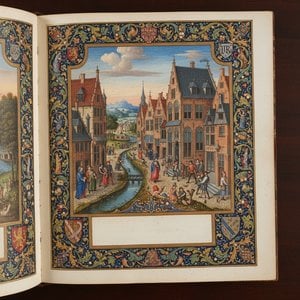
十五至十六世纪早期尼德兰绘画:现实主义曙光与象征意义探析
深入探索十五至十六世纪早期尼德兰绘画的艺术魅力!解读油画技法革新、象征主义隐秘语言,赏析扬·凡·艾克等大师杰作。专业分析,助您领略北方文艺复兴的开端与对后世艺术的影响。

Jan van Eyck: Innovation, Symbolism & the Dawn of Early Netherlandish Painting
Explore the revolutionary art of Jan van Eyck! Discover his groundbreaking oil painting techniques, hidden symbolism, and lasting impact on the Early Netherlandish Renaissance. A deep dive for art enthusiasts.

Early Netherlandish Masters: 10 Paintings That Revolutionized Art & Decor
Journey into the world of Early Netherlandish painting! Explore 10 masterpieces by Jan van Eyck, Rogier van der Weyden & more. Discover stunning detail, symbolism & Renaissance art for your home decor. Find museum-quality reproductions on ArtsDot.com



