
- 首页

- 数字图像作品
- roger vandercruse
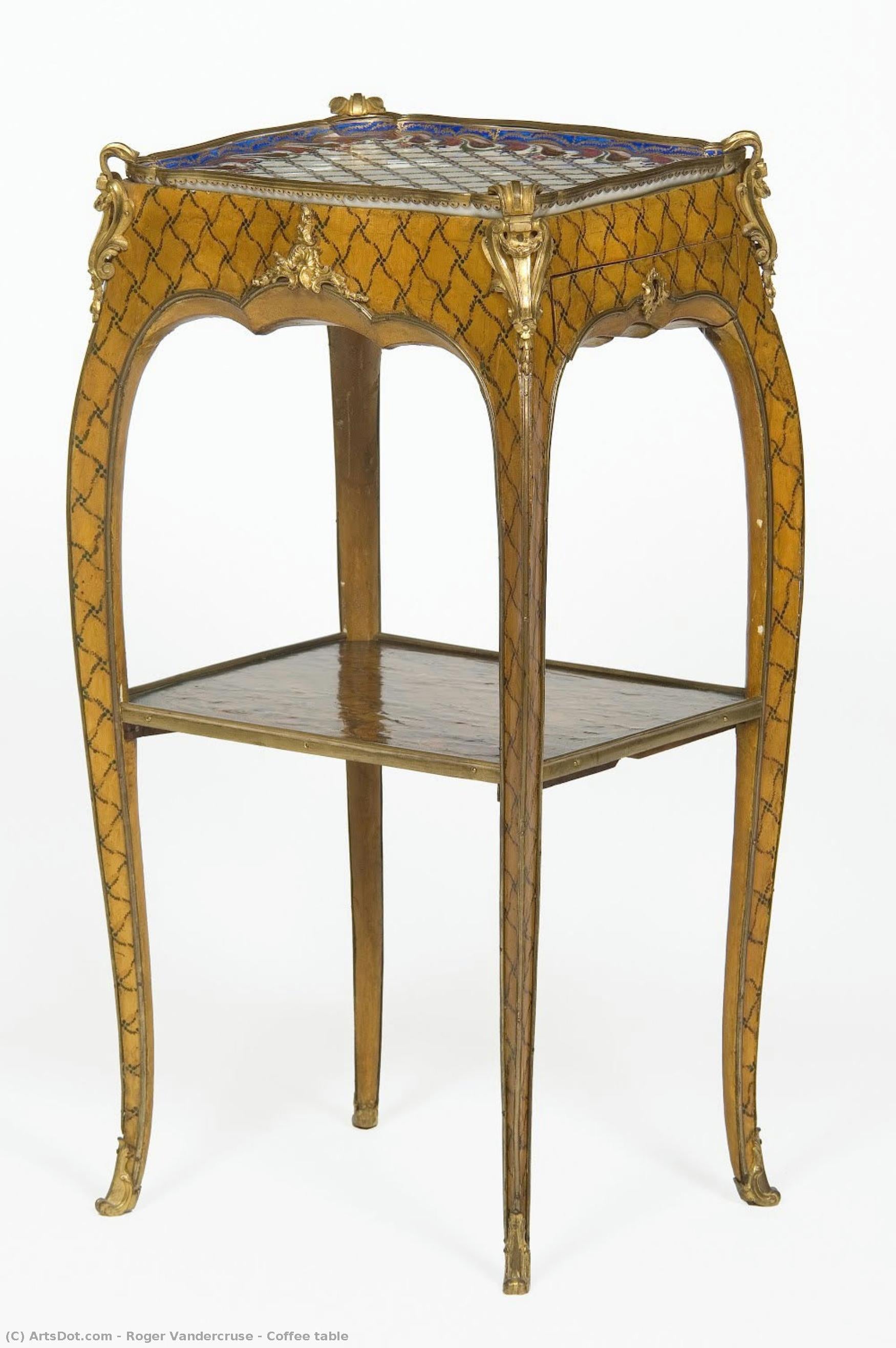
- Coffee table
 购买版画
购买版画 分享
分享 分享
分享
 详情
详情

 下载
下载
 相似作品
相似作品 X射线
X射线 幻灯片播放
幻灯片播放Coffee table


 展开详情
展开详情
购买高分辨率增强版数字图像,其品质远超在线预览。
每一份文件都由我们的内部专家使用先进工具与专业的后期润色技术精心打造。我们确保每一张图像都具备卓越的清晰度、精准的色彩还原度以及细腻的细节表现。
最终文件将在 72 小时内通过电子邮件交付,并针对专业、编辑及印刷用途进行了优化。其品质与顶级设计工作室、出版社和画廊所信赖的标准完全一致。
每份数字图像订单均包含
专业数字图像交付,品质保障
选择 ArtsDot.com,您获得的不仅仅是一张图像——您收到的是经过专业级增强、精雕细琢的数字艺术作品,并享有满意保证。以下是您的订单中自动包含的所有内容:

邮件快速送达
您的高分辨率数字图像文件将在下单后 72 小时内通过电子邮件发送给您 —— 即可立即使用。

AI 增强型数字文件
您的艺术品经过专业优化,结合先进的 AI 技术与人工修饰,确保呈现极致的细节、清晰度与色彩准确度。

终身免费重发服务
不小心删除了文件或找不到了?没关系——我们将随时为您免费重发。

无需进口费用,始终如一
即刻拥有您的艺术作品,无需支付任何关税、税费或运费——数字下载始终免税。

色彩精准保证
我们通过专业工具与色彩管理技术,确保您的数字图像尽可能真实地还原原作色彩。

60天满意保证
如果您对所购买的数字图像不满意,我们将在60天内为您进行修改或退还100%的款项——无需任何解释。

100% 退款保证
如果不满意?在收到数字文件后的60天内,我们为您提供全额退款——无需任何理由。

批量订单优惠
购买 3 张图片可享 10% 折扣 - 购买 5 张可享 15% 折扣 - 购买 10+ 张可享 20% 折扣。非常适合创意项目、画廊和机构使用。
藏品详情
艺术家简介
Roger Vandercruse: A Parisian Master of Rococo and Neoclassical Elegance
Roger Vandercruse (1728-1799), also known as Roger Lacroix, stands as a significant figure in the history of French *ébéniste* craftsmanship. Born in Paris during a period of artistic transition – bridging the exuberant Rococo era with the burgeoning Neoclassical style – Vandercruse’s refined furniture embodies both these influential movements. He was not merely a craftsman; he was part of a vibrant network of artisans, inheriting his father's workshop and building upon a legacy of exceptional skill and design. His career spanned nearly seven decades, marked by an increasing sophistication in technique and a growing reputation for producing exquisite pieces that graced the homes of Parisian nobility and wealthy merchants.Early Life and Apprenticeship
Vandercruse’s origins were rooted in the Low Countries, a tradition that profoundly influenced his approach to furniture making. His family's cabinetmaking business in the Faubourg Saint-Antoine provided him with an early foundation in the art of woodcraft. He began his training as a young man, likely absorbing techniques and design principles from his father and other skilled artisans within the Parisian workshop environment. Crucially, he was connected to prominent figures like Jean-François Oeben, whose workshop he later assisted after Oeben’s death, further honing his skills and exposing him to innovative approaches to furniture construction and decoration. This lineage instilled in him a deep respect for quality materials – tulipwood, amaranth, and kingwood were favored – and a meticulous attention to detail that became hallmarks of his work.Specializations and Techniques
Vandercruse’s workshop was particularly renowned for its production of *meubles volants*, or “flying furniture.” These ingenious pieces featured shifting drawers, secret compartments, and adaptable elements designed to suit the changing needs of their owners – a reflection of the aristocratic lifestyle that valued both practicality and visual delight. He excelled in creating commodes, often incorporating intricate marquetry depicting floral motifs, mythological scenes, and geometric patterns. His mastery extended to bronze work, with elaborate mounts adorning his furniture, adding further layers of opulence and sophistication. He frequently employed techniques borrowed from his brother-in-law, Oeben, including the use of Sèvres porcelain plaques – a luxury embellishment highly sought after by Parisian merchants. The stamp “R.V.L.C.” became his signature, marking pieces that were delivered by the aging court cabinetmaker Gilles Joubert to prominent clients like Madame Victoire and the Comtesse de Provence.Influences and Style
Vandercruse’s style represents a fascinating synthesis of Rococo extravagance and Neoclassical restraint. While he embraced the flowing curves, delicate ornamentation, and playful motifs characteristic of the Rococo period – particularly in his earlier work – he gradually incorporated elements of the emerging Neoclassical aesthetic: simpler lines, more restrained decoration, and a greater emphasis on classical forms. His furniture reflects this evolution, moving from the overtly flamboyant to a more balanced and elegant style that appealed to the tastes of the late 18th century. He was deeply influenced by the work of his predecessors, particularly Oeben, but he also demonstrated an independent artistic vision, creating pieces that were both technically proficient and aesthetically pleasing.Legacy and Historical Significance
Roger Vandercruse’s contribution to French furniture design is considerable. His meticulous craftsmanship, innovative *meubles volants*, and skillful integration of marquetry and bronze work established him as one of the leading *ébénistes* of his generation. His pieces are now highly prized by collectors and museums worldwide, offering a tangible connection to the opulent world of 18th-century France. His legacy extends beyond individual works; he represents a crucial link in the chain of French cabinetmaking tradition, demonstrating the enduring appeal of exquisite craftsmanship and artistic refinement. Pieces attributed to Vandercruse can be found in prestigious collections such as those at Waddesdon Manor and the Musée Nissim de Camondo, solidifying his place as a master of his craft and a significant figure in European art history.
roger vandercruse
1728 - 1799 , France
基本信息
- Artistic Movement Or Style: Rococo & Neoclassical
- Artists Or Movements Influenced By This Artist:
- Riesener
- Neoclassicism
- Artists Who Influenced This Artist:
- Jean-François Oeben
- Pierre Migeon
- Date Of Birth: 1728 Paris, France
- Date Of Death: 1799 Paris, France
- Full Name: Roger Vandercruse Lacroix
- Nationality: French
- Notable Artworks:
- Bonheur du jour
- Commode
- Meubles volants
- Place Of Birth: Paris, France

