


 实景预览
实景预览
 发送
发送 分享
分享
 详情
详情 指南
指南

 下载图片
下载图片
 相似作品
相似作品 X射线
X射线 幻灯片播放
幻灯片播放 统计数据
统计数据The Microscope


 阅读全文
阅读全文
手工油画复制品
由我们的艺术家按需定制,为您提供您所选尺寸及画框的布面手工油画。 ( 切换至版画销售渠道 切换至数字图像销售渠道)




P118B ¥10

P118H ¥10

P118W ¥10

P438Z ¥10

P508JH ¥12

P508YH ¥12

P805H ¥10

P805Z ¥10

P919BZ ¥10

P919G ¥10

P919XJ ¥10

P959ZH ¥10

P968JZ ¥12

W106C ¥8

W218G ¥10

W218JH ¥8

W218Y ¥10

W307PJ ¥10

W316G ¥10

W316PJ ¥8

W316Y ¥10

W398PJ ¥8

W4111J ¥10

W500HY ¥15

W500JH ¥15

W692G ¥12

W849H ¥8

W940BG ¥15

W953PJ ¥8




您可以从与原作比例一致的预设尺寸中进行选择。

请输入您需要的宽度和高度,以适配您的画框或墙面。由于作品为手工绘制,若您选择不同的尺寸比例,艺术家可能会在画面边缘多画一些或稍作裁剪 —— 由您决定。在开始绘画之前,我们会为您发送一份数字效果图供您确认。本页面上展示的图片并非最终实物 —— 只有效果图才能反映真实结果。
下单后,ArtsDot.com 团队将通过电子邮件联系客户获取具体要求,并提供效果预览图


 玻璃选项仅适用于110厘米以下的尺寸。

The Microscope
复制品材质
复刻品尺寸说明
-


总计金额
¥ 1766
A Window into Enlightenment: Examining Robert Walter Weir’s “The Microscope”
Robert Walter Weir's "The Microscope," completed in 1849, stands as a remarkable testament to the confluence of scientific curiosity and humanist ideals that characterized mid-nineteenth century America. More than just a portrait depicting Jacob Whitman Bailey, a prominent advocate for American microscopy and instructor at West Point, this painting embodies the Romantic spirit’s fascination with both reason and imagination—a duality Weir skillfully captures through meticulous observation and expressive brushwork. The artwork resides within Yale University Art Gallery's collection, offering visitors an opportunity to contemplate its enduring significance.- Subject Matter: At its core, “The Microscope” presents a tableau of intellectual engagement. Bailey, dressed in attire reminiscent of Galileo Galilei—a deliberate allusion to the Renaissance astronomer’s groundbreaking discoveries—demonstrates his knowledge to his sons and daughter, Maria. This familial scene underscores the importance of educating children not only in traditional arts but also in scientific pursuits, reflecting the burgeoning belief that fostering intellectual development was crucial for societal progress.
- Style & Technique: Weir’s style aligns firmly with the Hudson River School tradition, prioritizing atmospheric perspective and tonal gradation to convey a sense of grandeur and tranquility. Employing oil paints on canvas, he achieved remarkable realism through careful layering and blending—a hallmark of the era's artistic approach. The subdued palette—dominated by browns, greens, and blues—creates an environment that feels both scholarly and contemplative.
Historical Context: Science and Domestic Education in Victorian America
The painting emerged during a period marked by significant advancements in scientific understanding, particularly in microscopy. Scientists like Bailey were actively exploring the microscopic world, uncovering previously unseen organisms and challenging prevailing theories about disease and heredity. Simultaneously, Victorian society placed considerable emphasis on educating girls—primarily focusing on music, dance, and needlework—though figures like Bailey recognized the necessity of introducing science into female education. Weir’s depiction reflects this societal preoccupation with cultivating intellectual prowess in young women.- Symbolism: The inclusion of Galileo's garb serves as a powerful symbol—representing the triumph of observation and experimentation over dogma. Bailey’s stance, gazing intently at the microscope, embodies the Romantic conviction that scientific inquiry could illuminate the mysteries of creation. Furthermore, Maria’s presence symbolizes the future generation inheriting this enlightened worldview.
- Emotional Impact: “The Microscope” transcends mere representation; it evokes a feeling of serene intellectual pursuit and familial devotion. Weir's masterful use of light and shadow contributes to an atmosphere of quiet contemplation—encouraging viewers to appreciate the beauty inherent in knowledge and the importance of nurturing young minds.
Yale Center for British Art’s Perspective
The Yale Center for British Art considers “The Microscope” as a pivotal piece illustrating the Romantic movement's commitment to both reason and imagination. Its inclusion within the American Art before 1900 galleries underscores its significance in shaping artistic sensibilities during this formative period. The painting continues to inspire interior designers seeking to infuse their spaces with elements of intellectual curiosity and humanist values—a legacy that extends far beyond its original creation.问答详情
Romanticism 流派的作品 "The Microscope" 传达了怎样的情感?
"The Microscope" 所蕴含的 Reflective 情感,与其 Romanticism 风格相得益彰。
是否有与“The Microscope”风格相似的作品?
罗伯特·沃尔特·威尔 的《The Microscope》 的 相似作品 页面展示了相关艺术作品。
是否有关于 罗伯特·沃尔特·威尔 的《The Microscope》 的幻灯片展示?
您可以在作品的幻灯片播放页面上观看“The Microscope”的幻灯片展示。
相关艺术品


艺术家简介
镌刻在历史中的生命:罗伯特·沃尔特·韦尔的世界
1803年6月18日,罗伯特·沃尔特·韦尔(Robert Walter Weir)出生于纽约市,他的生命轨迹与19世纪美国艺术及教育的脉络紧密交织。他的故事是一部关于自我驱动、对古典知识的渴求以及对培养他人创造力之持久承诺的史诗。早年间,韦尔家族曾在纽约市与新罗谢尔之间迁徙,直至1817年重新定居于此。尽管最初从事着商业贸易,但年轻的罗伯特却感受到了艺术表达的强烈召唤,并在1821年十八岁那年毅然放弃商界,全身心地投入到绘画事业中。这一决定开启了一段传奇旅程,使他不仅成为了一名受人尊敬的艺术家,更成为了一位塑造未来领袖思想的关键教育家。韦尔早期的训练很大程度上是自学成才,通过1822年至1824年间在纽约市内的勤勉钻研而日臻成熟。然而,真正点燃他艺术感官的,是他随后前往意大利的旅程——在佛罗伦萨(1824-1825)与罗马(1825-1827)的岁月。沉浸在米开朗基罗与拉斐尔的杰作之中,他吸收了文艺复兴时期的构图原则与细节处理技巧,这些影响贯穿了他的整个艺术生涯。从画布到课堂:双重传承的遗产
1827年回到纽约后,韦尔迅速融入了当时蓬勃发展的艺术界。他在国家设计学院(National Academy of Design)定期展出作品,并于1829年获得准会员资格,随后在1831年成为正式院士——这足以证明其日益增长的技艺与声望。然而,真正定义他一生事业的却是另一条道路:教育。1834年,他接受了纽约西点军校绘画教师的任命。这份教职不仅仅是一份工作,更是一种使命。他在1846年晋升为绘画教授,并在这份岗位上展现了非凡的奉献精神,长达四十二年之久,直至1876年。他任教期间的影响力几乎无法估量。韦尔教授的不止是绘画技巧,更是在一代又一代未来的军事军官心中植入了对艺术、观察与视觉思维的鉴赏力。在他的学生名单中,赫然出现了那些后来与美国内战紧密相关的名字:尤利西斯·S·格兰特、罗伯特·E·李、杰斐逊·戴维斯以及詹姆斯·阿博特·麦克尼尔·惠斯勒——这一卓越的名录彰显了他影响力的广度。他还指导了塞斯·伊斯特曼,另一位记录美洲原住民生活的著名艺术家。他的教学方法并非仅仅关乎技术,更在于培养敏锐的眼光和创造性的解决问题的能力,这些品质在这些将领未来的征程中发挥了重要作用。哈德逊河画派与历史叙事
韦尔被公认为哈德顿河画派(Hudson River School)的一员,这一美国艺术运动以其对国家景观的浪漫主义描绘而闻名。尽管他的画布常以历史题材为主题,但作品中却蕴含着该画派特有的宏伟感与对自然的敬畏之情。他的艺术风格深深植根于从意大利游学中汲取的古典原则——细致入微的细节、均衡的构图以及对光影的戏剧性运用。然而,他并非仅仅是在复制文艺复兴的技术,而是将其转化为美国的主题与叙事。他最具有标志性的作品或许是《清教徒的启航》(The Embarkation of the Pilgrims),该作受美国国会委托于1837年创作,并于1843年安置在美国国会大厦的旋转穹顶内。这幅宏伟的画作不仅是对历史的描绘,更是勇气、信仰与美国立国精神的有力寓言。其他重要作品还包括《波旁王朝的最后进军》、《亨德里克·哈德逊的登陆》、《橄榄山上我们的主》以及《哥伦布在萨拉曼卡会议前》。这些绘画展现了他多变的艺术风格,以及他致力于用准确且富有情感共鸣的方式捕捉历史关键时刻的决心。家族、影响与持久的认可
罗伯特·沃尔特·韦尔的遗产远超其个人的艺术成就。他建立了一个追求卓越艺术的家族传统;他的两个儿子也追随了他的足迹。约翰·费格森·韦尔成为了一名受人尊敬的画家和雕塑家,而朱利安·奥尔登·韦尔则在肖像、人物及风景画领域脱颖而出——这进一步巩固了韦尔之名在美国艺术史上的地位。罗伯特·沃尔特·韦尔结过两次婚,育有十六名子女,在追求专业事业的同时,也创造了充满活力的家庭生活。他于1889年逝世,留下了丰富的艺术遗产以及对美国教育的深远影响。时至今日,他的作品仍持续展出于著名的博物馆与收藏馆中,确保他的贡献能被后世所见、所赏。通过他直接培养的学生,以及通过他对激发创造力与批判性思维的奉献,他的影响力至今仍能在无数艺术家身上感受到。永恒的印记
- 哈德逊河画派的纽带:韦尔作为这一影响深远的运动成员,确立了他在美国风景画经典中的地位。
- 西点军校的传承:他在西点军校四十年的教学生涯深刻塑造了众多未来军事领袖的艺术审美,证明了艺术教育的力量。
- 历史绘画的大师造诣:如《清教徒的启航》等作品,体现了他以戏剧化效果和象征深度捕捉重大历史事件的能力。
- 家族艺术王朝:其子约翰·费格森·韦尔与朱利安·奥尔登·韦尔的成功,进一步扩大了该家族对美国艺术的贡献。

罗伯特·沃尔特·威尔
1803 - 1889 , 美国
快速概览
- Artistic Movement Or Style: 哈德逊河画派
- Artists Or Movements Influenced By This Artist:
- 约翰·弗格森·韦尔
- 朱利安·奥尔登·韦尔
- Artists Who Influenced This Artist:
- 米开朗基罗
- 拉斐尔
- Date Of Birth: 1803年6月18日
- Date Of Death: 1889年5月1日
- Full Name: 罗伯特·沃尔特·韦尔
- Nationality: 美国
- Notable Artworks:
- 清教徒登船
- Bourbons Last March
- 亨德里克·胡德登陆
- 橄榄山上的主
- 哥伦布在萨拉曼卡
- Place Of Birth: 美国纽约
相关文章

Robert Spencer: Luminism, Narrative & the American Landscape Tradition
Explore the captivating world of Luminism & the Hudson River School with our expert analysis. Discover the history, artists, and enduring beauty of 19th-century American landscape painting. Find museum-quality reproductions at ArtsDot.
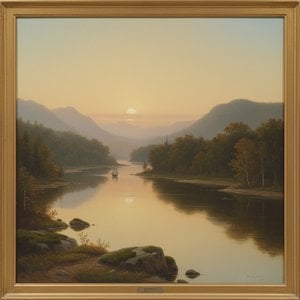
David Johnson: A Luminist Master of the Hudson River School & Beyond
Explore the captivating landscapes of David Johnson, a key figure in the Hudson River School & Luminism movement. Discover his artistic evolution, legacy, and how to collect his works with ArtsDot.

美国哈德逊河画派:浪漫主义视野下的自然与民族精神
深入探索美国哈德逊河画派:浪漫主义视野下的自然与民族精神。了解其历史、艺术风格及对美国国家认同的深远影响。ArtsDot提供高清油画复制和专业艺术咨询服务,助您领略大师之作。

哈德逊河画派:十部巨作,定义美国风景画的辉煌
探索哈德逊河画派的十部经典巨作!沉浸于美国风景画的黄金时代,感受艺术家对自然的热爱与精湛技艺。从壮丽的山脉到宁静的河流,领略艺术的魅力。ArtsDot.com 提供博物馆品质的艺术品复制和个性化家居装饰方案。尽在 ArtsDot.com!
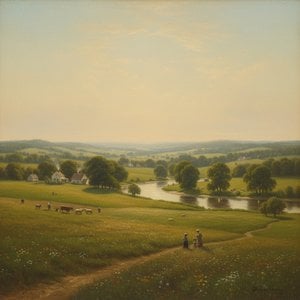
Thomas Worthington Whittredge: Capturing the American Pastoral Ideal with Luminist Light
Explore the luminous landscapes of Thomas Worthington Whittredge, a key figure in the Hudson River School and master of Luminism. Discover his captivating paintings & legacy with ArtsDot.