

 分享
分享 分享
分享
 详情
详情 指南
指南

 下载作品
下载作品
 相似作品
相似作品 幻灯片播放
幻灯片播放 问答
问答 统计数据
统计数据Objects for everyday use


 展开全文
展开全文
艺术微喷/版画
博物馆级艺术微喷或帆布版画,制作高效,并提供多种饰面选择。 ( 订购纯手工绘制画作 切换至数字图像销售渠道)




































您可以从与原作比例一致的预设尺寸中进行选择。

请输入您所需的宽度和高度,以适配您的画框或墙面。由于印刷品只能进行裁剪,无法超出原图尺寸,因此若比例不一致,画面的一部分将会被裁切。在正式印刷之前,我们会为您发送一份数字效果图供您确认。本页面显示的图片并非最终裁剪后的效果——只有效果图才能展示真实的裁剪情况。


 玻璃选项仅适用于110厘米以下的尺寸。

Objects for everyday use
艺术微喷/版画
复刻品尺寸
-


最终结算价
¥ 423
A Window into 19th-Century India
In the quiet, sepia-toned depths of Raja Deen Dayal’s "Objects for everyday use," we are invited to step through a temporal threshold into the heart of 19th-century Indian life. This evocative albumen print serves as more than just a photographic record; it is a poignant piece of social realism that captures a fleeting moment of communal existence. The composition centers on a group of four men gathered around a table, their forms arranged in a gentle semi-circle that draws the viewer into their intimate circle of labor and companionship. As we gaze upon the scene, the soft, aged textures of the photograph evoke a sense of nostalgia, pulling us toward a world where the rhythms of daily life were defined by craftsmanship and shared purpose.
The artistry of Deen Dayal lies in his ability to find profound beauty within the mundane. The table is laden with an array of pottery and cooking utensils, their geometric shapes—circles, ovals, and cylinders—creating a rhythmic visual language that anchors the composition. Through the masterful use of light and shadow, the photographer emphasizes the tactile surfaces of these objects, from the smooth glaze of ceramics to the coarse weave of the men's garments. This interplay of light does not merely illuminate; it sculpts the scene, casting shadows that lend depth to the doorway and weight to the figures, transforming a simple documentary moment into a rich, textured tableau of human industry.
The Mastery of the Lens and Historical Resonance
As a pioneer of Indian photography and a photographer to royalty, Raja Deen Dayal possessed a unique technical command over the medium. In this work, his training as an engineer is subtly evident in the balanced, structured perspective that guides the eye across the frame. The technique of the albumen print, characterized by its warm, brownish tones, lends a soulful quality to the subject matter, softening the harsh realities of poverty and labor with a layer of historical grace. This piece stands as a testament to the documentary tradition, where the camera acts as an observer of truth, capturing the essence of Indian social structures and the quiet dignity of traditional pottery-making.
For the discerning collector or interior designer, "Objects for everyday use" offers a sophisticated narrative element for any curated space. The sepia palette provides a neutral yet warm foundation that complements both classical and contemporary decor, offering a sense of historical weight and intellectual depth. To display a high-quality reproduction of this work is to bring a piece of global heritage into the home—a conversation starter that speaks of resilience, community, and the enduring beauty found in the simplest of human endeavors. It is an invitation to reflect on our shared connection to the tools and traditions that shape our very existence.
常见问题与解答
"Objects for everyday use" 使用了怎样的色彩搭配?
拉贾·迪恩·达亚尔 的《Objects for everyday use》 采用了 Pastels 色调,这一色调概括了作品整体的色彩特征。
"Objects for everyday use" 的明暗对比是否强烈?
"Objects for everyday use" 的明暗对比度记录为 Serene。对比度描述了亮部与暗部之间的差异强度。
"Objects for everyday use" 营造了怎样的氛围?
“Objects for everyday use”营造出一种Nostalgic的氛围。
相似作品


相关文章

Monochrome Visions: Exploring the Aesthetic & Historical Significance of Black & White Photography
Explore the rich history & artistic power of black and white photography. From early techniques to iconic masters like Ansel Adams, discover why monochrome continues to captivate art lovers today. Expert insights for collectors.

Documentary Photography's Defining Moments: 10 Masterpieces for Your Home |
Explore 10 defining documentary photography masterpieces – from Dorothea Lange to Robert Capa. Discover powerful stories, iconic images & timeless art for your home. Museum-quality prints at .
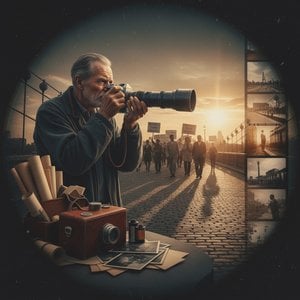
Witnessing History Through Lens & Light: Documentary Photography's Enduring Legacy
Explore the powerful history of documentary photography – from its origins to contemporary masters like Gordon Parks & W. Eugene Smith. Discover how this art form shapes our understanding of society and witness pivotal moments in time.

Raja Ravi Varma: Bridging Tradition & Modernity in 19th-Century Indian Art
Explore the life & art of Raja Ravi Varma, a pioneer who fused European techniques with Indian iconography. Discover his iconic paintings, lasting legacy, and influence on modern Indian art at ArtsDot.

Beyond the Lens: Photography's Enduring Influence on Modern & Contemporary Art
Explore photography's pivotal role in shaping modern & contemporary art. Discover key movements, influential artists like Stieglitz, and expert collecting advice from ArtsDot.