


 实景预览
实景预览
 发送
发送 分享
分享
 详情
详情 指南
指南

 下载图片
下载图片
 相似作品
相似作品 X射线
X射线 幻灯片播放
幻灯片播放 统计数据
统计数据Sideboard
 1805
1805 103.0 x 189.0 cm
 Taft Museum of Art
 阅读全文
阅读全文
艺术微喷/版画
博物馆级艺术微喷或帆布版画,制作高效,并提供多种饰面选择。 ( 订购此收藏品的纯手工复刻画作 切换至数字图像销售渠道)




































您可以从与原作比例一致的预设尺寸中进行选择。

请输入您所需的宽度和高度,以适配您的画框或墙面。由于印刷品只能进行裁剪,无法超出原图尺寸,因此若比例不一致,画面的一部分将会被裁切。在正式印刷之前,我们会为您发送一份数字效果图供您确认。本页面显示的图片并非最终裁剪后的效果——只有效果图才能展示真实的裁剪情况。


 玻璃选项仅适用于110厘米以下的尺寸。

Sideboard
艺术微喷/版画
复刻品尺寸说明
-


总计金额
¥ 417


艺术家简介
The Genesis of a Craftsman
Born in the rugged landscape of Hanover County, Virginia, in 1779, Porter Clay emerged from a lineage where precision and devotion were inextricably linked. As the son of the Reverend John Clay, his early years were steeped in an atmosphere of meticulous care, a legacy inherited from a father who viewed the world through a lens of profound detail. This foundational discipline prepared him for a life far removed from the pulpit, yet equally dedicated to the pursuit of perfection. When the frontier spirit beckoned toward Kentucky, Clay brought with him more than just tools; he carried an ancestral reverence for the transformation of raw, natural elements into enduring legacies of beauty.The Lexington Workshop and Material Mastery
In the burgeoning heart of Lexington, Kentucky, Clay established a workshop that would become synonymous with American excellence. His artistry was a tactile dialogue with the forest itself, as he skillfully manipulated the rich textures of cherry wood, crotch cherry, and the shimmering patterns of tiger maple. Each piece was a testament to his technical prowess, often elevated by the striking addition of brass mounts—elements that provided a brilliant, metallic counterpoint to the warm, organic grains of the timber. His work embodied a seamless marriage of form and function, where the structural integrity of a sideboard or table was inseparable from its aesthetic grace.A Bold Aesthetic Vision
While rooted in the traditions of his era, Clay’s creative spirit possessed an unconventional edge that hinted at a deeper, more experimental impulse. He embraced a stylistic sensibility akin to the burgeoning neo-dada movement, seeking to bridge the gap between formal artistry and the raw immediacy of everyday experience. This desire to challenge established conventions is most evident in his use of brass, which introduced a sense of spontaneity and an unconventional aesthetic flair. Much like the later approaches taken by artists such as Elbridge Ayer Burbank, Clay’s approach sought to infuse the inanimate object with a living, breathing energy, ensuring that his furniture was never merely utilitarian, but rather a profound expression of artistic experimentation.A Lasting Legacy in American Art
The significance of Porter Clay extends far beyond the borders of Kentucky. As the brother of the legendary statesman Henry Clay, his life was intertwined with the very fabric of American history, yet his contribution remained uniquely his own—a quiet, enduring mastery of the decorative arts. Though his personal journey may have been as mercurative as the woods he worked, his impact on the landscape of 18th and 19th-century craftsmanship remains indelible. Today, his pieces stand as silent witnesses to a period of American growth, reminding us that true artistry lies in the ability to find elegance within the grain of the wood and strength within the precision of the craft.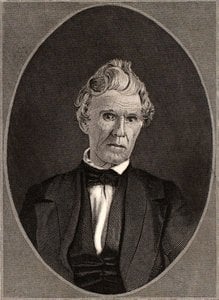
Porter Clay
1779 - , United States of America
快速概览
- Full Name: Porter Clay
- Nationality: American
- Date Of Birth: 1779
- Place Of Birth: Hanover County, United States of America
- Notable Artworks: ['Sideboard']
- Artistic Movement Or Style: Neo-Dada
- Artists Who Influenced This Artist: ['Lucas Cranach the Elder']
- Artists Or Movements Influenced By This Artist: ['Elbridge Ayer Burbank']