


 购买版画
购买版画 分享
分享 分享
分享
 Details

 下载
下载
 相似作品
相似作品 X-Ray
X-Ray 幻灯片播放
幻灯片播放The Winkel Mill, Pointillist Version






P118B $10

P118H $10

P118W $10

P438Z $10

P508JH $12

P508YH $12

P805H $10

P805Z $10

P919BZ $10

P919G $10

P919XJ $10

P959ZH $10

P968JZ $12

W106C $8

W218G $10

W218JH $8

W218Y $10

W307PJ $10

W316G $10

W316PJ $8

W316Y $10

W398PJ $8

W4111J $10

W500HY $15

W500JH $15

W692G $12

W849H $8

W940BG $15

W953PJ $8




 了解更多
了解更多从与原作比例一致的预设尺寸中进行选择。

您可以输入自定义尺寸,以适配特定的画框或空间。如果所选尺寸与原图比例不符,我们将通过裁剪作品或添加手绘元素来扩展画面。数字样稿将在制作开始前发送给您确认。
请注意,屏幕预览无法准确反映实际的裁剪或扩展效果,只有样稿才能真实呈现最终的构图。
虽然我们提供定制尺寸服务,但为了保留原作比例,建议您从预设列表中选择尺寸。
下单后,ArtsDot.com 团队将通过电子邮件联系客户获取具体要求,并提供效果预览图。


 玻璃选项仅适用于110厘米以下的尺寸。

The Winkel Mill, Pointillist Version
复制材质
复制品尺寸
-


最终总价
-
作品详情
A Glimpse into Mondrian’s Dutch Roots: The Winkel Mill, Pointillist Version
This captivating artwork offers a rare and insightful look into Piet Mondrian's artistic development *before* his famed geometric abstractions. “The Winkel Mill, Pointillist Version” depicts a quintessential Dutch windmill set against a dramatic, cloud-filled sky – a subject deeply rooted in the artist’s homeland and early influences. It’s a vibrant testament to a transitional period in Mondrian’s career, showcasing his exploration of color, light, and texture while still connected to representational imagery.Style & Technique: Embracing Pointillism and Post-Impressionism
The painting is executed with a striking pointillist technique, characterized by the meticulous application of small, distinct dots of pure color that blend optically when viewed from a distance. This approach, inspired by Georges Seurat and Paul Signac, allows for an extraordinary luminosity and textural richness. While clearly influenced by Pointillism, the work also leans towards Post-Impressionism through its expressive use of color and simplified forms. The thick impasto – the visibly layered paint – adds a tactile quality, almost bringing the windmill and landscape to life before your eyes. The loose, gestural lines contribute to a dynamic sense of movement, capturing the energy of both the natural elements and the industrial activity represented by the mill itself.Historical Context: Early Mondrian in the Netherlands
Painted during his formative years (approximately 1905-1911) in the Netherlands, this piece reflects Mondrian’s initial engagement with Dutch Impressionism and his subsequent experimentation with more avant-garde styles. Before becoming a pioneer of abstract art and the De Stijl movement, Mondrian honed his skills depicting traditional landscapes like those found around Laren, where windmills were common sights. This work serves as a crucial link between his early naturalistic paintings – such as “The Red Mill” and “Trees in Moonrise” – and the radical abstraction that would define his later career. It demonstrates his journey toward distilling reality into its essential forms.Symbolism & Emotional Resonance
The windmill, a powerful symbol of Dutch industry, rural life, and the harnessing of natural forces, is central to the composition. It represents not just a physical structure but also a cultural identity. The somewhat subdued and hazy sky evokes a sense of nostalgia and perhaps even melancholy – a quiet contemplation of the changing landscape and traditional ways of life. While not overtly symbolic, the painting’s emotional impact lies in its ability to capture a specific mood and atmosphere, inviting viewers to connect with the Dutch countryside on a deeper level.Color & Composition: A Harmonious Blend
The color palette is rich and saturated, creating a lively yet dreamlike quality. Mondrian doesn’t use color descriptively; instead, he employs it expressively, prioritizing feeling over realistic representation. The composition is dominated by the windmill, its form simplified but still recognizable. The flattened perspective, typical of Impressionistic works, emphasizes color and texture rather than spatial depth. This creates a visually engaging experience that draws the eye into the heart of the scene.For Collectors & Designers
“The Winkel Mill, Pointillist Version” is more than just a beautiful painting; it’s a significant historical artifact offering insight into the evolution of one of art history's most influential figures. A high-quality reproduction would be a stunning addition to any collection, bringing a touch of Dutch heritage and artistic innovation to your space. Its warm color palette and evocative imagery make it particularly well-suited for living rooms, studies, or dining areas – spaces where contemplation and conversation are encouraged. It’s a piece that speaks to both the art connoisseur and those seeking a unique statement piece. This artwork provides a fascinating bridge between representational painting and the abstract world Mondrian would ultimately create.相似艺术品


艺术家简介
皮特·蒙德里安:抽象的先驱与宇宙和谐的视觉表达
皮特·蒙德里安,原名彼得·科内利斯·蒙德里安(Pieter Cornelis Mondriaan),1872年出生于荷兰阿姆斯特丹附近的阿姆斯福特小镇。他的艺术之路并非一蹴而就,而是一个渐进的探索过程。早年的蒙德里安深受家族影响,叔叔弗里茨·蒙德里安本身就是一位画家,这使得他最初投身于风景画创作。这些早期作品,例如《红磨坊》,带有海牙画派和荷兰印象派的影子,展现了一个勤奋学习自然、掌握技巧的年轻艺术家。然而,即使在那个时期,一种对简化的渴望就已显现出来。他并不满足于简单地复制世界,而是试图提炼其本质。早期的点彩主义和野兽派实验,为他提供了不同的视角去观察色彩与形式,但最终都未能完全满足他的艺术追求。这是一个探索的时代,是通往定义他遗产的激进转变的必要铺垫。巴黎的觉醒:新塑形主义的诞生
1912年,蒙德里安移居巴黎,这座城市充满着前卫的活力,他很快便沉浸在革命性的艺术氛围中。这次经历对他产生了深远的影响。他开始解构形式,将物体分解成几何成分,从而摆脱了对客观物体的描绘,转而探索他对世界的感知方式。然而,蒙德里安并非仅仅是采用一种新的风格;他正踏上了一次精神之旅。受到神智学(Theosophy)深刻影响——这是一种强调潜在的宇宙原则的神秘哲学——他相信艺术可以成为表达这些隐藏真理的媒介。这种信念推动了他对抽象的不懈追求,促使他将色彩和形式简化到最基本的元素。大约在1917年,这段旅程最终 culminated in 新塑形主义(Neoplasticism)的形成。这是一种革命性的美学理念,基于基本形式——直线、直角——以及有限的调色板:原色(红、蓝、黄)、黑、白和灰。蒙德里安认为,这种简化并非空虚,而是揭示了宇宙潜在的和谐,一种视觉上体现的精神秩序。他与西奥·凡代斯堡共同创立了《风格》(De Stijl)运动,以推广这些理念,巩固了新塑形主义在现代艺术中的重要地位。《红、蓝、黄构成》和《编号2号构图V》等杰作,见证了这个时期,是其坚定致力于几何纯洁的标志性代表。纽约的律动:生命的晚期繁荣
第二次世界大战爆发迫使蒙德里安于1940年逃离欧洲,在熙熙攘攘的纽约市找到了避难所。这次迁徙出乎意料地带来了新的活力。这座城市严格的网格结构——与他所熟悉的更具自然性的景观形成鲜明对比——引起了共鸣他的艺术原则。《百老汇波吉舞》(Broadway Boogie Woogie)等后期作品,反映了这种影响。虽然保留了新塑形主义的核心原则,但绘画引入了一种动态的能量,一种受到城市脉搏和爵士乐启发的活力节奏。直线仍然存在,但它们现在以更大的自由跳动和交错,创造出一种运动感和喜悦感。仿佛蒙德里安在他的既定词汇中找到了一种新的语言,一种通过几何抽象来表达现代都市生活的复杂性的方式。直到1944年去世,他不断地完善他的风格,留下了作品集,这些作品继续吸引并激励着人们。持久的遗产:蒙德里安的持久影响
皮特·蒙德里安对艺术世界的贡献是不可估量的。他不仅仅是一位艺术家;他还是一个远见卓识者,彻底改变了我们对抽象及其表达普遍真理潜力的理解。他的作品深刻地影响了无数的艺术家、运动和学科。抽象表现主义、极简主义和色彩域绘画都欠蒙德里安先驱精神一份。但他的影响力远远超出了画布。新塑形主义的原则——简洁、清晰、几何秩序——已经渗透到建筑、设计和时尚中。从家具和纺织品到建筑物的外立面和图形布局,蒙德里安的美学继续塑造着我们的视觉世界。他仍然是现代艺术中的一个标志性人物,代表着对抽象的执着追求以及艺术创新的持久力量。正如设计历史学家斯蒂芬·贝利所说的那样,蒙德里安已成为“现代主义一切努力的图腾”。他的遗产不仅仅是一种审美美,更是一种智力严谨、精神深度和对艺术变革潜力的坚定信念。影响与主要作品
- 早期影响: 海牙画派、荷兰印象派、点彩主义、野兽派为他早期的艺术探索奠定了基础。
- 转变的影响: 巴黎的立体主义对他转向抽象和几何形式至关重要。
- 哲学基础: 神智学深刻地影响了他对艺术可以表达普遍精神原则的信念。
- 主要作品:《红磨坊》(早期自然主义时期)、《红、蓝、黄构成》(新塑形主义的典型代表)、《编号2号构图V》(展示了对基本形式的还原)、《百老汇波吉舞》(受纽约城市影响的后期活力)。
- 持久的影响: 蒙德里安的作品继续激励着艺术家、建筑师和设计师,塑造着各个学科的现代美学。

蒙德里安
1872 - 1944 , 荷兰
艺术家简介
- 全名: 皮特·蒙德里安
- 出生地点: 阿默斯福特, 荷兰
- 出生日期: 1872年3月7日
- 去世日期: 1944年2月1日
- 受其影响的艺术家或运动:
- 抽象表现主义
- 极简主义
- 色彩域绘画
- 国籍: 荷兰
- 影响艺术家:
- 海牙画派
- 立体主义
- 艺术流派或风格: 新塑像主义,De Stijl
- 著名作品:
- 红磨坊
- 红色、蓝色和黄色构成
- 第2号构图V
- 百老汇布吉胡鸡
相关文章

荷兰黄金时代绘画:文化创新中的现实主义反思
深入探索荷兰黄金时代绘画的文化创新与现实主义反思。本文解读伦勃朗、维米尔等大师的作品,并结合玛莉特·韦斯特曼的图像学研究,揭示艺术史背后的社会语境与现代性意识觉醒。


米罗大师25幅杰作:探索超现实主义的色彩与诗意 | ArtsDot
探索米罗大师25幅经典画作,领略超现实主义的色彩与诗意。深入了解每件作品背后的故事、艺术技巧和文化意义。ArtsDot.com提供高品质米罗油画复制品,为您的家居增添艺术灵感!立即在线探索完整系列。

From Classical Still Life to Contemporary Abstraction: Elevating Villa Entertaining Spaces Through Artful Reproduction
Explore the history of still life painting & discover how artful reproductions elevate villa entertaining spaces. Expert guidance, museum-quality prints & custom artwork at ArtsDot.com.

Beyond Form & Color: Geometric Abstraction's Evolution in 20th/21st Century Art
Explore the evolution of geometric abstraction from Cubism to contemporary art. Discover key artists like Malevich & Mondrian, investment insights, and expert collecting advice at ArtsDot.
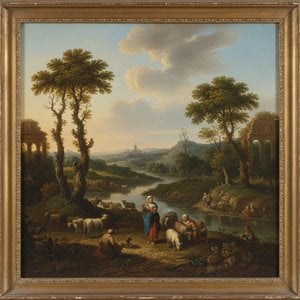
Nicolaes Berchem: Dutch Golden Age Pastoralism & the Evolution of Landscape Painting
Explore the captivating world of Nicolaes Berchem, a leading Dutch Golden Age painter. Discover his idyllic landscapes, masterful technique & lasting influence on art history. Learn more at ArtsDot.



