效果预览
效果预览
 购买手绘画作
 分享
分享 分享
分享
 详情
详情

 下载
下载
 相似作品
相似作品 X射线
X射线 幻灯片播放
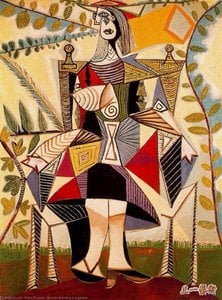
幻灯片播放Self-Portrait
 Oil On Canvas
- WallArt
- Cubist Expressionism
 1906
1906- Modern
 39.0 x 30.0 cm
 展开详情
展开详情




P118B $10

P118H $10

P118W $10

P438Z $10

P508JH $12

P508YH $12

P805H $10

P805Z $10

P919BZ $10

P919G $10

P919XJ $10

P959ZH $10

P968JZ $12

W106C $8

W218G $10

W218JH $8

W218Y $10

W307PJ $10

W316G $10

W316PJ $8

W316Y $10

W398PJ $8

W4111J $10

W500HY $15

W500JH $15

W692G $12

W849H $8

W940BG $15

W953PJ $8




从与原作比例一致的预设尺寸中进行选择。

您可以输入自定义尺寸,以适配特定的画框或空间。如果您选择的尺寸与原图比例不符,我们将对作品进行裁剪,或通过镜像填充/纯色填充边缘的方式来扩展图像。在开始制作之前,我们会向您发送一份数字效果图供您确认。
请注意,屏幕上的预览并不能反映实际的裁剪或扩展效果。只有效果图才能准确展示最终的构图。
虽然我们提供定制尺寸,但为了保持原图比例,我们建议您从预设列表中选择尺寸。


 玻璃选项仅适用于110厘米以下的尺寸。

Self-Portrait
艺术微喷/版画
复制品尺寸
-


最终总价
$ 62
藏品详情
A Window into Picasso’s Soul: Examining ‘Self-Portrait,’ 1906
Pablo Picasso's 'Self-Portrait,' painted in 1906, isn’t merely a depiction of an artist; it’s a visceral exploration of identity and artistic ambition during the formative years of his Expressionist period. Created on canvas with oil paints, this intimate piece transcends simple representation, offering viewers a glimpse into Picasso's inner world—a realm characterized by intense observation and a burgeoning fascination with fractured perspectives. The artwork stands as a cornerstone in understanding Picasso’s stylistic evolution and its profound influence on subsequent artistic movements.Expressionist Boldness: Color and Distortion
The painting immediately grabs attention with its audacious palette – predominantly muted grays punctuated by vibrant splashes of crimson and ochre. This deliberate contrast underscores the Expressionist ethos, prioritizing emotional impact over realistic accuracy. Picasso abandons traditional shading techniques, opting instead for bold strokes that convey a palpable sense of urgency and restlessness. The figure’s facial features are rendered with significant distortion; his eyes gaze outwards with unwavering focus, conveying an almost disconcerting intensity—a characteristic trait of Expressionism's desire to portray subjective experience rather than objective reality. This stylistic choice reflects Picasso’s preoccupation with capturing the psychological state of the artist himself.Geometric Fragments: Proto-Cubist Influences
‘Self-Portrait,’ 1906, foreshadows Picasso’s groundbreaking foray into Cubism, marking a pivotal moment in art history. While retaining recognizable elements—primarily the face and torso—the painting dismantles traditional spatial conventions through geometric fragmentation. Planes of color intersect and overlap, creating an illusionistic depth that defies conventional perspective. This technique aligns seamlessly with the broader artistic currents of the time, particularly the influence of Georges Braque and Henri Matisse who were experimenting with similar approaches to representational art. The muted gray background serves as a grounding element against which the vibrant hues of the figure emerge, amplifying their expressive power.Symbolic Resonance: Beard and Intense Gaze
The prominent beard and mustache adorning Picasso’s face are not accidental; they symbolize introspection and contemplation—qualities central to the artist's intellectual engagement with art theory and philosophy. More importantly, his gaze directs outwards, seemingly confronting the viewer with an unflinching honesty. This deliberate positioning speaks to Picasso’s desire to communicate a profound sense of self-awareness and artistic conviction. The eyes themselves are rendered with remarkable detail, capturing the subtle nuances of emotion and conveying a palpable feeling of concentration—a testament to Picasso's masterful technique and his ability to imbue his subjects with psychological depth.Legacy Beyond Technique: A Precursor to Modern Art
‘Self-Portrait,’ 1906, represents more than just an aesthetically striking artwork; it embodies the spirit of artistic innovation that would propel Picasso—and subsequently artists like Jackson Pollock and Mark Rothko—towards the development of Abstract Expressionism. By prioritizing emotional expression over visual realism, Picasso established a precedent for liberating art from representational constraints—a legacy that continues to inspire contemporary artists today. Its enduring appeal lies in its ability to resonate with viewers on an emotional level, prompting contemplation about identity, perception, and the transformative power of artistic vision.相似艺术品


艺术家简介
毕加索:颠覆与重塑的艺术之旅
巴布洛·路易斯·毕加索,一个几乎等同于现代艺术革命的名字。1881年10月25日出生于西班牙马拉加,他的命运似乎从一开始就注定了要与创造力紧密相连。传说他第一次说话时竟是“piz, piz”,试图说出“铅笔”二字,这或许预示了他未来艺术生涯的轨迹。他的父亲何塞·鲁易斯·布拉斯科是一位画家兼美术教师,为年轻的毕加索提供了坚实的基础训练。然而,学生很快便超越了老师,展现出令人惊叹的天赋,暗示着他体内蕴藏着的巨大潜力。家庭随后迁往阿科鲁尼亚和巴塞罗那,期间经历了姐姐不幸离世等个人悲剧,这些经历也微妙地影响了他的后作品,使其中常出现忧郁和死亡的主题。即使在巴塞罗那美术学院和马德里圣费尔南多皇家艺术学院短暂学习期间,毕加索也不满于僵化的学术束缚,更喜欢沉浸在委拉斯凯兹、戈雅等大师的作品中,开辟了他通往艺术创新的道路。
蓝色与玫瑰:情感的色彩谱
20世纪初见证了毕加索作品中两个截然不同的时期:蓝色时期(约1901-1904年)和玫瑰时期(1904-1906年)。蓝色时期诞生于个人苦难和社会苦难的深刻意识,其特点是绘画以忧郁的蓝绿色调为主。这些作品描绘着边缘化的人物——乞丐、盲人、妓女等,用一种令人心碎的同情来表达隔离和绝望的主题。《生命》(1903年)和《老吉他手》(1903-1904年)是这个情感充沛时期的感人代表。个人生活的转变,以及迁居巴黎,预示着玫瑰时期的到来。调色板变得更加温暖,采用了粉红、橙色和红色等色彩,反映了一种更为乐观的视角。这一时期对马戏团表演者的痴迷——小丑、杂技演员和家庭团体——这些人物既脆弱又充满韧性。《盐事班底之家》(1905年)完美地捕捉了这种转变,暗示着即将到来的风格探索。
重塑视角:立体主义与超越
1907年是艺术史上的一个关键时刻,《亚维农少女》的创作标志着一个转折点。受到伊比利亚雕塑和非洲面具的影响,这幅开创性的画作打破了传统透视观念和表现形式。这是一个激进的突破,是对几个世纪以来习俗的刻意摒弃,为立体主义铺平了道路。与乔治·布拉克密切合作,毕加索共同创立了这个革命性运动,从根本上改变了艺术家对现实的感知和描绘方式。分析立体主义(1909-1912年)涉及将物体分解成几何形状,并以柔和的色彩呈现,仿佛在解剖形式本身。这又演变为综合立体主义(1912-1919年),融入拼贴元素——报纸剪报、布料碎片等,增加了纹理和新的视觉复杂性。毕加索并不满足于简单地再现世界;他试图解构它并在自己的条件下重建它。
躁动不羁的实验者:新古典主义、超现实主义与战争
20年代见证了毕加索短暂探索新古典风格,创作出宏伟的人物形象,这些形象既呼应了古典形式,又保留了独特的现代感。与此同时,他也接触了新兴的超现实主义运动,但从未完全认同其原则。他那个时期的作品融合了早期的风格影响与超现实的意象和扭曲的视角,展示了他永无止境的实验精神。西班牙内战的恐怖对毕加索产生了深远的影响,最终促成了《格尔尼卡》(1937年)的创作,这是一部充满强烈情感的作品,是对格尔尼卡被轰炸的回应。这幅宏伟的作品成为了战争暴行的持久象征,巩固了毕加索不仅是一位艺术家,也是和平和社会正义的强大声音的角色。在20世纪50年代和60年代,他继续突破界限,以惊人的好奇心和技巧探索陶瓷、雕塑和版画。1961年与雅克琳·鲁克的婚姻为他的个人生活和艺术表达带来了新的维度。
难以估量的影响
毕加索于1973年4月8日在法国穆安去世,留下了惊人的作品数量——估计超过5万件——这些作品至今仍吸引并激励着人们。他的艺术发展受到各种因素的影响,从委拉斯凯兹和戈雅等西班牙大师到伊比利亚雕塑、非洲艺术以及亨利·马蒂斯的鲜艳色彩。他对20世纪艺术的影响是难以估量的。他共同创立了立体主义,开创了拼贴和构成式雕塑,并且始终挑战着艺术惯例。毕加索的永恒实验重新定义了现代艺术,对几代艺术家产生了持久的影响,巩固了他作为历史上最重要、最有影响力的代表人物之一的地位。他的遗产超越了画布,在当代文化中产生共鸣,提醒我们艺术视野所具有的变革力量。

毕加索
1881 - 1973 , 西班牙
艺术家简介
- Artistic Movement Or Style: 立体主义,超现实主义
- Artists Or Movements Influenced By This Artist:
- 立体主义
- 现代艺术
- Artists Who Influenced This Artist:
- 委拉斯开兹
- 戈雅
- 马蒂斯
- Date Of Birth: 1881年10月25日
- Date Of Death: 1973年4月8日
- Full Name: 巴布洛·鲁易斯·毕加索
- Nationality: 西班牙国籍
- Notable Artworks:
- 《亚维尼翁少女》
- 《格尔尼卡》
- 《老吉他手》
- 《拉维》
- 《小丑一家子》
- Place Of Birth: 马拉加, 西班牙
相关文章

毕加索25幅杰作:艺术革命与永恒经典【ArtsDot精选】
探索毕加索25幅传世杰作!从蓝色时期到立体主义,领略这位西班牙大师的艺术革命与情感表达。高清油画复制、家居装饰灵感尽在ArtsDot.com。发现更多名画,点亮您的生活空间。

Cubism's Revolution: 10 Masterpieces That Redefined Modern Art | ArtsDot
Explore 10 Cubist masterpieces by Picasso, Braque & more! Delve into the history of this revolutionary art movement. Find museum-quality reproductions and elevate your home decor with ArtsDot. Discover all masterpieces on ArtsDot.com

解析立体主义:十部巨作定义艺术史潮流
探索立体主义的艺术魅力!本文精选十部定义了这场革命性运动的杰作,带您深入了解毕加索、布拉克等大师的创作故事与技法。从几何抽象到现代风格,感受色彩与形式的无限可能。ArtsDot.com为您提供博物馆品质的艺术品复制和家居美学灵感!
Cubist Expression: 10 Masterpieces That Revolutionized Modern Art | ArtsDot
Explore 10 Cubist masterpieces by Picasso, Braque & more! Discover the stories behind these revolutionary paintings and their impact on modern art. Find museum-quality reproductions for your home at ArtsDot.com – where art comes to life.

Pablo Picasso: A Revolutionary Vision – Cubism, Symbolism & Enduring Legacy
Explore the revolutionary art of Pablo Picasso with ArtsDot.com. Discover Cubism's origins, symbolism in his masterpieces & investment insights for collectors. Expert appraisal & custom reproductions available.