


 实景预览
实景预览
 发送
发送 分享
分享
 详情
详情 指南
指南

 下载图片
下载图片
 相似作品
相似作品 X射线
X射线 幻灯片播放
幻灯片播放 统计数据
统计数据Painter and his model


 阅读全文
阅读全文
手工油画复制品
由我们的艺术家按需定制,为您提供您所选尺寸及画框的布面手工油画。 ( 切换至版画销售渠道 切换至数字图像销售渠道)




P118B ¥10

P118H ¥10

P118W ¥10

P438Z ¥10

P508JH ¥12

P508YH ¥12

P805H ¥10

P805Z ¥10

P919BZ ¥10

P919G ¥10

P919XJ ¥10

P959ZH ¥10

P968JZ ¥12

W106C ¥8

W218G ¥10

W218JH ¥8

W218Y ¥10

W307PJ ¥10

W316G ¥10

W316PJ ¥8

W316Y ¥10

W398PJ ¥8

W4111J ¥10

W500HY ¥15

W500JH ¥15

W692G ¥12

W849H ¥8

W940BG ¥15

W953PJ ¥8




您可以从与原作比例一致的预设尺寸中进行选择。

请输入您需要的宽度和高度,以适配您的画框或墙面。由于作品为手工绘制,若您选择不同的尺寸比例,艺术家可能会在画面边缘多画一些或稍作裁剪 —— 由您决定。在开始绘画之前,我们会为您发送一份数字效果图供您确认。本页面上展示的图片并非最终实物 —— 只有效果图才能反映真实结果。
下单后,ArtsDot.com 团队将通过电子邮件联系客户获取具体要求,并提供效果预览图


 玻璃选项仅适用于110厘米以下的尺寸。

Painter and his model
复制品材质
复刻品尺寸说明
-


总计金额
¥ 1937
A Vision Fractured: The Soul of Picasso’s Cubist Mastery
In the quiet, transformative era of 1909, Pablo Picasso embarked on a journey that would forever alter the trajectory of modern art. His masterpiece, "Painter and his Model," serves as a profound window into this period of radical experimentation. At first glance, the scene appears to capture a moment of intimate creative labor—an artist and his muse locked in a silent dialogue of creation. Yet, beneath this seemingly simple subject lies the revolutionary spirit of Cubism. Picasso does not merely seek to mirror the world; he seeks to dismantle it. By breaking down the human form into a complex arrangement of geometric planes, cylinders, and cones, he invites the viewer to experience the subject from multiple perspectives simultaneously, challenging the very notion of a single, fixed reality.
The emotional resonance of the piece is found in its beautiful tension between stability and fragmentation. There is an undeniable sense of focused energy within the studio setting, yet the distorted anatomy and overlapping shapes evoke a certain psychological depth. The figures are not merely bodies; they are architectural elements of a larger, more complex truth. For the collector or the enthusiast, this painting offers more than just visual interest—it provides a meditation on the act of seeing itself. It captures that fleeting, intense moment where inspiration meets execution, making it an evocative centerpiece for any space dedicated to thought and creativity.
Technique and Texture: The Tactile Language of Oil
To behold this work is to witness Picasso’s masterful command over the physical medium of oil on canvas. He employs a technique known as impasto, where the paint is applied in thick, deliberate layers that rise from the surface to create a sculptural relief. This tactile approach is particularly striking in the rendering of the model's form, where the heavy brushstrokes lend a sense of weight and permanence to the fragmented shapes. The texture does not just decorate the canvas; it breathes life into the geometry, providing a physical dimension that catches the light and creates shifting shadows.
The color palette is intentionally grounded, dominated by earthy tones of deep greens, ochres, and rich browns. This somber, organic selection of hues lends the composition a melancholic yet dignified atmosphere, reminiscent of the quiet introspection found in a working studio. These muted colors allow the viewer to focus on the structural innovations of the piece—the way lines intersect and how light is diffused across the broken planes. For interior designers, this palette offers a sophisticated versatility, providing a sense of historical gravity and organic warmth that complements both contemporary minimalist settings and more traditional, classical environments.
A Legacy of Innovation for the Modern Collector
Beyond its aesthetic brilliance, "Painter and his Model" stands as a historical landmark. It represents the departure from the fleeting light of Impressionism toward a more cerebral, structured understanding of space. This painting is a testament to the era when art stopped being a window into a scene and started becoming a construction of thought. Owning or displaying a high-quality reproduction of such a work allows one to bring a piece of this intellectual revolution into the home.
Whether you are drawn to the piece for its historical significance, its complex geometric beauty, or its ability to spark conversation, it remains an enduring symbol of artistic passion. It is a work that rewards repeated viewing, revealing new layers of complexity with every glance. As a cornerstone of the Cubist movement, it continues to inspire those who find beauty in the reconstruction of reality and the profound exploration of the human condition.
问答详情
毕加索 的《Painter and his model》 的色彩是鲜艳夺目还是柔和低调?
毕加索 的《Painter and his model》 的色彩呈现出 Balanced Soft 的饱和度。饱和度描述了色彩的鲜艳或柔和程度。
是否可以下载"Painter and his model"的高分辨率版本?
您可以在 数字图像 页面直接购买 “Painter and his model” 的 高分辨率数字图像下载。
毕加索 的《Painter and his model》 的色彩构图是如何构建的?
毕加索 的《Painter and his model》 的色彩分析记录了一种 Statement 的对比与 Balanced Harmony 的和谐。


艺术家简介
毕加索永恒的艺术遗产
巴布洛·路易斯·毕加索,这个名字本身就是艺术革命的代名词。1881年10月25日,他出生于西班牙马拉加。他的生命似乎从一开始就注定要与创造力紧密相连;传说他开口说的第一个词竟是“piz, piz”,试图模仿“铅笔”的发音。这种早期的艺术倾向得益于他的父亲何塞·鲁易斯·布拉斯科,这位画家兼美术教师为年幼的毕加索提供了坚实的启蒙训练。然而,这位学生很快便超越了老师,展现出令人惊叹的写实天赋,预示着其体内蕴藏的巨大潜力。随后,随着家庭迁往阿科鲁尼亚和巴塞罗那,个人生活的悲剧——尤其是姐姐的离世——悄然改变了他的心境,这些经历也微妙地渗透进他后期的作品中,赋予了其忧郁与死亡的主题。即便在巴塞罗那美术学院和马德里圣费尔德南多皇家艺术学院接受正式学习期间,毕加索也始终对僵化的学术束缚感到不满,转而沉浸在委拉斯凯兹和戈雅等大师的作品中,以此开辟通往艺术创新的独特之路。
从忧郁的蓝色到玫瑰色的暖调
20世纪初见证了毕加索创作生涯中两个截然不同的时期:蓝色时期(约1901-1904年)和玫瑰时期(1904-1906年)。蓝色时期诞生于个人苦难与对社会疾苦的深刻感知,其作品以沉郁的蓝绿色调为主。画中充斥着边缘化的人物——乞丐、盲人、妓女等——通过一种令人心碎的同情心,传达出孤独与绝望的主题。生命(1903年)和老吉他手(190arr-1904年)便是这一情感充沛时期的动人代表。随着个人生活的转变以及迁居巴黎,玫瑰时期的到来预示着色彩的转机。调色板变得显著温暖,融入了粉红、橙色和红色,反映出一种更为乐观的视角。这一时期,他开始痴迷于马戏团表演者——小丑、杂技演员及巡回艺人——这些形象既展现了生命的脆弱,又体现了坚韧的力量。盐事班底之家(1905年)完美地捕捉了这种过渡,并暗示着即将到来的风格探索。
透视的破碎:立体主义及其延伸
1907年是艺术史上一个关键的转折点,《亚维农少女》的诞生标志着旧秩序的终结。受到伊比利亚雕塑和非洲面具的影响,这幅开创性的画作彻底打破了传统的透视观念与表现形式。这是一种激进的背离,是对数世纪以来艺术惯例的刻意摒弃,为立体主义铺平了道路。通过与乔治·布拉克密切合作,毕加索共同创立了这场革命性运动,从根本上改变了艺术家感知和描绘现实的方式。分析立体主义(1909-1912年)致力于将物体分解为几何形状,并以柔和的色彩呈现,仿佛在解剖形式本身。随后,这种风格演变为综合立体主义(1912-1919年),通过引入拼贴元素——如报纸剪报、布料碎片等——为画面增添了丰富的纹理与全新的视觉复杂性。毕加索并不满足于仅仅表现世界;他试图解构世界,并按照自己的法则对其进行重塑。
永不停歇的实验者:新古典主义、超现实主义与战争
20世纪20年代,毕加索曾短暂探索过新古典主义风格,创作出既呼应古典形式又保留现代感官的宏伟人物形象。与此同时,他也参与到了蓬勃发展的超现实主义运动中,尽管从未完全认同其核心原则。这一时期的作品将早期的风格影响与超现实意象及扭曲的透视相结合,展现了他永无止境的实验精神。西班牙内战的残酷景象对毕加索产生了深远影响,最终催生了《格尔尼卡》(1937年)——这是一部针对格尔尼卡轰炸事件所作出的、充满张力且情感震撼的视觉回应。这部巨作成为了战争暴行的永恒象征,确立了毕加索不仅是一位艺术家,更是和平与社会正义的有力发声者。在50年代和60年代,他继续挑战边界,以不懈的好奇心和精湛的技艺探索陶瓷、雕塑及版画领域。1961年与杰奎琳·罗克的婚姻,也为他的个人生活与艺术表达注入了新的维度。
无法估量的影响力
1973年4月8日,毕加索在法国穆赞逝世,留下了令人惊叹的艺术遗产——据估计超过5万件作品——至今仍持续吸引并激励着世人。他的艺术成长深受多元影响,从西班牙大师委拉斯凯兹和戈雅,到伊比利亚雕塑、非洲艺术,再到亨利·马蒂斯的鲜艳色彩。他对20世纪艺术的影响是无法估量的。 他共同创立了立体主义,开创了拼贴与构造雕塑的先河,并始终挑战着艺术的既定规范。毕加索不懈的实验重新定义了现代艺术,为一代又一代艺术家留下了不可磨灭的印记,并巩固了他作为历史上最重要且最具影响力的艺术巨匠之一的地位。他的遗产早已超越了画布本身,在当代文化的无数领域中激荡回响,时刻提醒着我们艺术愿景所蕴含的变革力量。

毕加索
1881 - 1973 , 西班牙
快速概览
- Artistic Movement Or Style: 立体主义,超现实主义
- Artists Or Movements Influenced By This Artist:
- 立体主义
- 现代艺术
- Artists Who Influenced This Artist:
- 委拉斯开兹
- 戈雅
- 马蒂斯
- Date Of Birth: 1881年10月25日
- Date Of Death: 1973年4月8日
- Full Name: 巴布洛·鲁易斯·毕加索
- Nationality: 西班牙国籍
- Notable Artworks:
- 《亚维尼翁少女》
- 《格尔尼卡》
- 《老吉他手》
- 《拉维》
- 《小丑一家子》
- Place Of Birth: 马拉加, 西班牙
相关文章
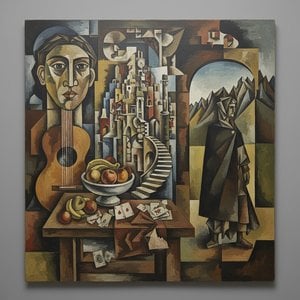
Cubist Expression: 10 Masterpieces That Revolutionized Modern Art | ArtsDot
Explore 10 Cubist masterpieces by Picasso, Braque & more! Discover the stories behind these revolutionary paintings and their impact on modern art. Find museum-quality reproductions for your home at ArtsDot.com – where art comes to life.

Pablo Picasso: A Revolutionary Vision – Cubism, Symbolism & Enduring Legacy
Explore the revolutionary art of Pablo Picasso with ArtsDot.com. Discover Cubism's origins, symbolism in his masterpieces & investment insights for collectors. Expert appraisal & custom reproductions available.

Cubist Portraits: 10 Masterpieces That Revolutionized Art | ArtsDot
Explore 10 revolutionary Cubist portraits by Picasso, Braque & more! Discover the stories behind these iconic paintings and how they shaped modern art. Find museum-quality reproductions to elevate your home decor on ArtsDot.com.
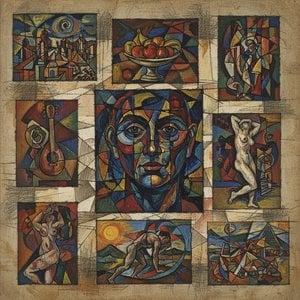
Cubist Expressionism's 10 Defining Masterpieces | Art for Your Home
Explore 10 defining Cubist Expressionism masterpieces by Picasso, Braque & more. Discover the stories behind these bold, geometric paintings and bring museum-quality art to your home with ArtsDot.com. Explore the full collection online.

Cubism's Revolution: 10 Masterpieces That Redefined Modern Art | ArtsDot
Explore 10 Cubist masterpieces by Picasso, Braque & more! Delve into the history of this revolutionary art movement. Find museum-quality reproductions and elevate your home decor with ArtsDot. Discover all masterpieces on ArtsDot.com


