


 实景预览
实景预览
 发送
发送 分享
分享
 详情
详情 指南
指南

 下载图片
下载图片
 相似作品
相似作品 X射线
X射线 幻灯片播放
幻灯片播放 统计数据
统计数据Triangles

 阅读全文
阅读全文
手工油画复制品
由我们的艺术家按需定制,为您提供您所选尺寸及画框的布面手工油画。 ( 切换至版画销售渠道 切换至数字图像销售渠道)




P118B ¥10

P118H ¥10

P118W ¥10

P438Z ¥10

P508JH ¥12

P508YH ¥12

P805H ¥10

P805Z ¥10

P919BZ ¥10

P919G ¥10

P919XJ ¥10

P959ZH ¥10

P968JZ ¥12

W106C ¥8

W218G ¥10

W218JH ¥8

W218Y ¥10

W307PJ ¥10

W316G ¥10

W316PJ ¥8

W316Y ¥10

W398PJ ¥8

W4111J ¥10

W500HY ¥15

W500JH ¥15

W692G ¥12

W849H ¥8

W940BG ¥15

W953PJ ¥8




您可以从与原作比例一致的预设尺寸中进行选择。

请输入您需要的宽度和高度,以适配您的画框或墙面。由于作品为手工绘制,若您选择不同的尺寸比例,艺术家可能会在画面边缘多画一些或稍作裁剪 —— 由您决定。在开始绘画之前,我们会为您发送一份数字效果图供您确认。本页面上展示的图片并非最终实物 —— 只有效果图才能反映真实结果。
下单后,ArtsDot.com 团队将通过电子邮件联系客户获取具体要求,并提供效果预览图


 玻璃选项仅适用于110厘米以下的尺寸。

Triangles
复制品材质
复刻品尺寸说明
-


总计金额
¥ 1769
A Floral Geometry: Decoding Max Ernst’s ‘Triangles’
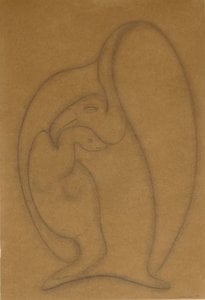
This captivating work by Max Ernst, titled ‘Triangles’, presents a fascinating departure within his already diverse oeuvre. Rather than the unsettling dreamscapes or frottage textures he is often known for, this piece offers a surprisingly delicate and structured composition – a flower meticulously constructed from geometric forms. The artwork immediately draws the eye with its unconventional representation of natural beauty.Style & Technique: A Synthesis of Surrealism and Abstraction
While firmly rooted in Surrealism, ‘Triangles’ also displays strong leanings towards abstraction, particularly Constructivism. Ernst masterfully blends these influences. The use of sharply defined triangles to build the floral form is a deliberate rejection of traditional representational painting. It's likely a mixed media or collage work, given the potential for varied textures and layering inherent in such a construction. This technique allows Ernst to deconstruct and rebuild the image of a flower, presenting it not as observed reality but as an intellectual concept. The artist’s signature confirms its authenticity and places it within his established body of work.Historical Context: Post-War Innovation
Created sometime during Ernst's prolific career (1891-1976), ‘Triangles’ reflects the artistic ferment following World War II. Ernst, a veteran of both World Wars and a key figure in both Dada and Surrealism, was constantly experimenting with new forms of expression. This period saw a growing interest in geometric abstraction as artists sought to move beyond representational art and explore the fundamental elements of form and color. The work subtly echoes similar explorations by contemporaries like Wassily Kandinsky (as seen in “On the Points”), though Ernst imbues his geometry with an organic subject matter.Symbolism & Interpretation: Deconstructing Nature
The choice of triangles is significant. Triangles, as fundamental geometric shapes, can symbolize stability, direction, and even conflict. Here, their repetition suggests a systematic analysis of natural forms – a dismantling and reassembly of the flower’s essence. The predominantly green palette evokes growth, life, and connection to the earth, grounding the abstract composition. The subtle inclusion of blue accents adds depth and a touch of ethereal quality, hinting at the unseen forces within nature. Is Ernst suggesting that even seemingly organic forms are built upon underlying mathematical principles? Or is he simply exploring the visual possibilities of geometric abstraction applied to a natural subject?Emotional Impact & Interior Design Considerations
‘Triangles’ evokes a sense of quiet contemplation and intellectual curiosity. It's not an overtly emotional work, but its subtle beauty and intriguing composition invite prolonged viewing and interpretation. Its color palette – primarily greens with blue accents – makes it incredibly versatile for interior design. The artwork would complement modern or contemporary spaces, adding a sophisticated touch without overwhelming the room. Its geometric nature also lends itself well to minimalist settings, providing a focal point that is both visually striking and intellectually stimulating. It’s a piece that rewards close attention and offers new discoveries with each viewing – a testament to Ernst's enduring artistic vision.




艺术家简介
马克斯·恩斯特:超现实主义的先驱与创新
马克斯·恩斯特(Max Ernst,1891-1976),原名马克西米利安·玛丽亚·恩斯特,出生于德国布吕尔,是20世纪最具影响力的艺术家之一。他的艺术生涯并非循规蹈矩的学院派训练,而是一场自我驱动的探索之旅,这场旅程深受哲学思辨、心理学兴趣以及对社会规范深刻幻灭的影响。恩斯特的父亲是一位聋哑学校教师兼业余画家,他不仅在恩斯特心中播下了对世界的敏感性,也激发了他对既定权威的反叛精神。这种早期的二元性成为了他艺术愿景中一个重要的特征。
恩斯特在波鸿大学的学习经历——涵盖哲学、艺术史、文学、心理学和精神病学——并非简单的消遣,而是深刻地影响了他的后世作品。他不仅仅关心“如何”绘画,更关切“为何”。这种求知欲促使他在1912年的科隆森德布尔德展览上接触到毕加索、梵高和高更的开创性作品,这一刻彻底改变了他艺术的轨迹。现代主义的种子已经播下。
从达达主义的颠覆到超现实主义的启示
一战的爆发成为了恩斯特生命中的一个转折点。他在东西线战场上的经历令他深受震动,对既定秩序产生了深刻的怀疑,并渴望新的表达方式。这种幻灭感在蓬勃发展的达达运动中找到了肥沃的土壤。1918年返回科隆后,恩斯特欣然投入其中。与终生的好友兼合作者汉斯·阿普一起,他成为了科隆达达主义团体的核心人物,拒绝了传统的艺术惯例,拥抱荒诞、偶然性和非理性。
然而,达达主义仅仅是他前进的垫脚石。在20世纪20年代初,恩斯特移居巴黎,并加入了以安德烈·布雷东为首的超现实主义阵营。这标志着他转向探索梦境领域、潜意识和非理性。受到西格蒙德·弗洛伊德的精神分析理论的影响,恩斯特试图通过他的艺术揭示人类经验中隐藏的深度。他并非致力于描绘事物如其所见,而是致力于揭示塑造它的潜在心理力量。
创新技法:摩擦画、刮擦画与拼贴
恩斯特的艺术创新不仅体现在主题上,还在于他对技巧的不懈探索。他不仅仅采用现有的方法——他发明了新的方法。也许他最著名的贡献是摩擦画(frottage),这是一种将铅笔或炭笔擦过纹理表面的过程,以创造出意想不到的和富有表现力的图像。这种技术诞生于观察木纹时的无聊时刻,使恩斯特能够进入潜意识并产生违背有意识控制的形式。紧密相关的还有刮擦画(grattage),即在画布上刮擦油漆,从而揭示其下方的图层。
他还巧妙地运用拼贴(collage),将不同的元素——杂志图像、科学插图、照片——组装成超现实的构图,挑战了对表征的传统观念。这些技术并非简单的风格选择;它们是探索潜意识和扰乱传统艺术边界的组成部分。他的画作经常出现重复的象征性意象:鸟类(尤其是他的化身洛普洛普)、荒凉的景观、令人不安的并置以及一种普遍的神秘感。
创新遗产与影响
二战爆发迫使恩斯特逃离欧洲,在美利坚合众国找到了庇护。他在流亡期间继续绘画和尝试新的技术,最终在战争结束后返回法国,并在那里保持活跃直到1976年4月1日在巴黎去世。他为后世艺术家带来的影响是不可估量的。
恩斯特对达达主义和超现实主义的贡献非同寻常。他挑战了艺术规范,深入探索了潜意识的深渊,并发明了继续激励着当代艺术家的创新技术。他不仅仅是一位画家;他是一位探险家、一位挑衅者和一位远见卓识的艺术家,拓展了艺术本身的边界。他的作品仍然是对想象力的证明,对非理性的吸引力以及理解人类心灵复杂性的持久追求。
- 主要作品:《整个城市》、《欧克利德斯》、《关于此人将不得而知》、《森林与鸽子》
- 影响:毕加索、梵高、高更、弗洛伊德、乔治·德·基里科
- 运动:达达主义,超现实主义

马克·恩斯特
1891 - 1976 , 德国
快速概览
- Artistic Movement Or Style: 达达主义, 超现实主义
- Artists Or Movements Influenced By This Artist:
- 超现实主义
- 达达
- Artists Who Influenced This Artist:
- 毕加索
- 梵高
- 高更
- 德·奇里科
- Date Of Birth: 1891年4月2日
- Date Of Death: 1976年4月1日
- Full Name: 马克·恩斯特
- Nationality: 德裔美国籍,法籍
- Notable Artworks:
- 《葬礼祭品》
- 《含蓄的女人》
- 《壁炉的天使》
- Place Of Birth: 布吕尔,德国
相关文章

几何抽象艺术十大杰作:定义现代家居装饰的经典之作
探索几何抽象艺术的十大杰作!康定斯基、蒙德里安等大师作品,色彩构成与非具象之美。ArtsDot.com提供博物馆级艺术复制品,为您的家居带来现代艺术灵感。立即在线探索完整系列!

Beyond Form & Color: Geometric Abstraction's Evolution in 20th/21st Century Art
Explore the evolution of geometric abstraction from Cubism to contemporary art. Discover key artists like Malevich & Mondrian, investment insights, and expert collecting advice at ArtsDot.
马克斯·恩斯特:25幅大师级作品,探索超现实主义的视觉盛宴 | ArtsDot
探索马克斯·恩斯特25幅大师级作品,领略超现实主义的奇幻魅力!深入了解达达主义先驱的艺术生涯、创新技法与梦境般的视觉世界。ArtsDot.com提供高品质艺术复制品,为您的家居装饰增添永恒之美。立即在线探索完整系列!

Beyond Form & Color: Geometric Abstraction's Enduring Legacy in Art History
Explore the captivating world of geometric abstraction! Discover its origins, key artists like Malevich & Mondrian, and why this movement remains highly valued by art collectors today. Expert insights at ArtsDot.

Kandinsky's Masterpieces: 25 Paintings That Define Abstract Art | ArtsDot
Journey through Wassily Kandinsky's 25 most iconic abstract paintings. Explore his revolutionary use of color, form & spiritual expressionism. Find museum-quality Kandinsky reproductions and elevate your home decor with ArtsDot.com. Discover all masterpieces on ArtsDot.com!


