

 实景预览
实景预览
 分享
分享 分享
分享
 详情
详情 指南
指南

 下载作品
下载作品
 相似作品
相似作品 X射线
X射线 幻灯片播放
幻灯片播放 问答
问答 统计数据
统计数据Dawn


 展开全文
展开全文
艺术微喷/版画
博物馆级艺术微喷或帆布版画,制作高效,并提供多种饰面选择。 ( 订购纯手工绘制画作 切换至数字图像销售渠道)




P118B ¥10

P118H ¥10

P118W ¥10

P438Z ¥10

P508JH ¥12

P508YH ¥12

P805H ¥10

P805Z ¥10

P919BZ ¥10

P919G ¥10

P919XJ ¥10

P959ZH ¥10

P968JZ ¥12

W106C ¥8

W218G ¥10

W218JH ¥8

W218Y ¥10

W307PJ ¥10

W316G ¥10

W316PJ ¥8

W316Y ¥10

W398PJ ¥8

W4111J ¥10

W500HY ¥15

W500JH ¥15

W692G ¥12

W849H ¥8

W940BG ¥15

W953PJ ¥8




您可以从与原作比例一致的预设尺寸中进行选择。

请输入您所需的宽度和高度,以适配您的画框或墙面。由于印刷品只能进行裁剪,无法超出原图尺寸,因此若比例不一致,画面的一部分将会被裁切。在正式印刷之前,我们会为您发送一份数字效果图供您确认。本页面显示的图片并非最终裁剪后的效果——只有效果图才能展示真实的裁剪情况。


 玻璃选项仅适用于110厘米以下的尺寸。

Dawn
艺术微喷/版画
复刻品尺寸
-


最终结算价
¥ 423
A Luminist’s Quiet Vision: The Life and Art of Martin Johnson Heade
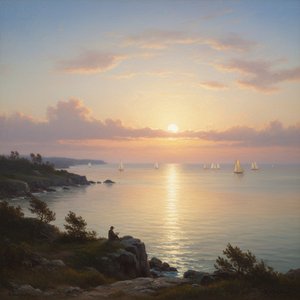
Martin Johnson Heade (1819 – 1904), born in the serene Pennsylvania countryside, stands as a quietly influential figure in American art history—a painter whose luminous landscapes and intimate depictions of nature gradually emerged from relative obscurity to claim their rightful place among the nation’s most significant artistic achievements. His formative years in Lumberville, nestled along the Delaware River, instilled within him an enduring reverence for the natural world, an affection nurtured by initial studies under local artists Edward and possibly Thomas Hicks. These foundational lessons provided Heade with the technical skills that would later coalesce into a distinctive style, though his journey to artistic recognition proved anything but straightforward. Initially drawn to portraiture, his early works demonstrate a proficient hand but lack the singular vision that would ultimately characterize his mature oeuvre. A pivotal period of travel in Europe broadened Heade’s artistic perspective, exposing him to Impressionist influences and fostering experimentation with bolder brushstrokes—a deliberate departure from the restrained palette and meticulous detail favored by Luminism, the movement he championed. Luminism, born in the mid-1850s, represented a reaction against Romantic idealism, prioritizing atmospheric effects and capturing fleeting moments of beauty rather than grand narratives or dramatic compositions. Artists like Heade sought to convey not just what they saw but how they *felt*, immersing viewers in the tranquility and majesty of unspoiled wilderness. Heade’s technique was remarkably consistent throughout his prolific career—primarily employing oil paints on canvas, applying thin layers of pigment mixed with linseed oil to achieve a velvety surface texture. This method allowed for subtle gradations of color and luminosity, mirroring the diffused light characteristic of dawn landscapes. Unlike Impressionists who aimed to capture immediate sensory impressions, Heade meticulously built up his paintings over time, patiently blending colors and reworking sections until he achieved the desired tonal harmony. The resulting images possess an ethereal quality—a palpable stillness that invites contemplation and evokes a profound connection with nature’s rhythms. “Dawn,” painted in 1862, exemplifies this Luminist aesthetic perfectly. The canvas depicts a tranquil beach scene bathed in the nascent glow of sunrise. Gentle waves lap against the shore, reflecting the rosy hues of the rising sun—a masterful orchestration of color and light that captures the essence of early morning serenity. Scattered boats bobbing on the water add to the visual richness of the composition, while two figures stand silhouetted against the horizon, seemingly absorbed in observing this sublime spectacle. The artist’s careful attention to detail—the texture of the sand, the ripples on the water surface, and the subtle variations in color—contributes to an immersive experience for the viewer. Symbolically, “Dawn” speaks to themes of renewal and hope—a visual representation of the promise held within each new day. The luminous light symbolizes enlightenment and spiritual awakening, mirroring the Luminist preoccupation with capturing transcendent beauty. Furthermore, the depiction of nature’s undisturbed grandeur underscores the movement's belief in its restorative power, offering solace and inspiration amidst the complexities of Victorian society. Ultimately, “Dawn” transcends mere representation; it aspires to evoke emotion—a feeling of profound peace and wonder at the majesty of creation. Its enduring appeal lies in its ability to transport viewers back to a time when art sought not just to depict reality but to communicate its deepest truths. Reproductions of this masterpiece continue to captivate collectors and interior designers alike, serving as reminders of Luminism’s legacy—a testament to the power of understated beauty and the importance of preserving the unspoiled splendor of our natural world.相似作品


艺术家简介
马丁·约翰逊·海德的静谧视野:生平和艺术
马丁·约翰逊·海德,1819年生于宾夕法尼亚宁静的乡村,是美国艺术史上一个引人入胜的人物——一位画家,他的光辉景观和对自然的亲密描绘逐渐从相对默默无闻中脱颖而出,赢得了在美国艺术成就中最重要地位之一。他在特拉华河畔的伦伯维尔的早期生活在他心中培养了对自然世界的深刻欣赏之情,这种感情在他的早期研究下得到滋养,师从当地艺术家爱德华·希克斯以及可能的托马斯·希克斯。这些基础课程为海德提供了日后绽放成独特风格的技术技能,尽管他通往认可的道路并非一帆风顺。最初专注于肖像画,他的早期作品展示了熟练的手艺,但缺乏定义了他成熟作品的独特见解。在欧洲的一段旅行拓宽了他的艺术视野,使他接触到不同的影响并为他最终拥抱风景画奠定了基础。从肖像画到全景光影
海德艺术方向的关键转变源于与哈得孙河派成员——如约翰·弗雷德里克·肯塞特和本杰明·钱普尼——的相遇,他们唤醒了他捕捉美国景观的壮丽和微妙之美的热情。这种影响,加上他自身对光线和氛围的内在敏感性,使他发展出一种以宁静构图和一丝不苟的细节关注为特征的风格。海德的作品开始因其内敛的强度而与众不同,摒弃了同时代人所青睐的戏剧性叙事,转而专注于对沼泽地、海景以及最终的热带动植物的沉思研究。1863-1864年他对巴西的旅行是一个决定性的时刻,深刻影响了他的艺术创作。沉浸在充满活力色彩和异国情调形式的巴西雨林中,海德开始了一系列小幅绘画,描绘了蜂鸟在茂盛的兰花丛中——这些作品展示了他精湛的技术功底和他对生命与环境之间微妙互动的着迷。他称之为“巴西宝石”的作品最初打算出版,但在他的有生之年中很大程度上未能实现,但如今它们是他最受赞誉的杰作之一。随后的中美洲和牙买加之旅进一步激发了他对热带主题的探索,丰富了他的调色板并扩展了他的艺术词汇。沼泽地、木兰花与大师的重新发现
在后来的岁月里,海德定居在佛罗里达州的圣奥古斯丁,在那里他将注意力转向了静物——特别是对木兰花精致描绘,以丰富的天鹅绒背景为衬托。这些绘画,以其天鹅绒般的质感和明亮的光线为特色,体现了他对色彩和形式的掌握。然而,尽管在他整个职业生涯中创作了大量的作品,海德在生前很大程度上默默无闻。直到20世纪40年代,学者们才开始认识到他对美国艺术的贡献的重要性。一系列非凡的重新发现——绘画出现在意想不到的地方,如车库销售和跳蚤市场——使人们对他的作品重新关注,揭示了一位被忽视的辉光主义大师。术语“辉光主义”本身,用于描述海德和菲茨·亨利·莱恩等艺术家所共有的风格,捕捉了他艺术愿景的本质:强调大气效果、微妙的光线渐变以及一种静止感和宁静感。寂静沉思的遗产
马丁·约翰逊·海德的遗产超越了他的技术技能和审美敏感性。他的绘画为观众提供了一个安静沉思的空间——邀请他们沉浸在大自然的美丽与宁静之中。虽然他可能在他有生之年没有获得广泛的名声,但他的作品自被重新发现以来就引起了观众的强烈共鸣,巩固了他作为美国艺术界重要人物的地位。今天,他的绘画被世界各地著名的博物馆收藏,包括ArtsDot的马丁·约翰逊·海德系列,并继续以其光辉的美丽和持久的力量激励着人们的敬畏和钦佩。海德捕捉光线和氛围转瞬即逝的能力——将平凡的场景转化为超凡脱俗的美丽时刻——确保了他成为19世纪最受喜爱和最具影响力的美国画家之一。 他的艺术提醒我们保护和欣赏自然世界的重要性,以及在它的寂静辉煌中找到慰藉。海德风格的关键特征
- 辉光主义:一个决定性的特征,强调大气效果和微妙的光线渐变。
- 宁静的构图:避免戏剧性叙事,转而选择和平的场景。
- 一丝不苟的细节:精确地描绘自然形态和纹理。
- 主题:盐沼、海景、热带鸟类(尤其是蜂鸟)、木兰花和静物。
- 浪漫主义方法:关注自然的情感影响及其美丽。

马丁·约翰逊·海德
1819 - 1904 , 美利坚合众国
艺术家简介
- Artistic Movement Or Style: 光辉主义
- Artists Who Influenced This Artist:
- 爱德华·希克斯
- 约翰·弗雷德里克·肯塞特
- Date Of Birth: 1819年8月11日
- Date Of Death: 1904年9月4日
- Full Name: 马丁·约翰逊·海德
- Nationality: 美国国籍
- Notable Artworks:
- 兰花与蜂鸟
- 盐沼风光
- 蜂鸟盛开
- Place Of Birth (City And Country): 美国宾夕法尼亚州伦伯维尔
相关文章

Jasper Francis Cropsey: Luminism, Landscape & the American Pastoral Ideal
Explore the captivating landscapes of Jasper Francis Cropsey, a leading figure of the Hudson River School & Luminism movement. Discover his signature style and idyllic American scenes. Own a hand-painted reproduction today!

Martin Johnson Heade: Luminism, American Identity & the Poetic Still Life
Explore the captivating world of Martin Johnson Heade, a master of Luminism. Discover his serene landscapes, vibrant still lifes & profound connection to American identity. Learn about his techniques and legacy.

Robert Spencer: Luminism, Narrative & the American Landscape Tradition
Explore the captivating world of Luminism & the Hudson River School with our expert analysis. Discover the history, artists, and enduring beauty of 19th-century American landscape painting. Find museum-quality reproductions at ArtsDot.

Sanford Robinson Gifford: Luminism & the American Landscape Tradition
Explore the serene landscapes of Sanford Robinson Gifford, a leading Luminist painter of the Hudson River School. Discover his mastery of light, atmospheric effects & lasting influence on American art. Hand-painted reproductions available.
William Trost Richards: Luminism, Spirituality & the American Landscape Tradition
Explore the captivating landscapes of William Trost Richards, a master of Luminism associated with both the Hudson River School & American Pre-Raphaelite movements. Discover his spiritual connection to nature and lasting influence on American art.