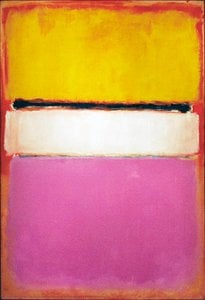
效果预览
效果预览
 购买手绘画作
 分享
分享 分享
分享
 详情
详情

 下载
下载
 相似作品
相似作品 X射线
X射线 幻灯片播放
幻灯片播放Untitled
 Oil On Canvas
- WallArt
- Abstract Expressionism
 1948
1948- Modern
 135.0 x 119.0 cm
 展开详情
展开详情




P118B $10

P118H $10

P118W $10

P438Z $10

P508JH $12

P508YH $12

P805H $10

P805Z $10

P919BZ $10

P919G $10

P919XJ $10

P959ZH $10

P968JZ $12

W106C $8

W218G $10

W218JH $8

W218Y $10

W307PJ $10

W316G $10

W316PJ $8

W316Y $10

W398PJ $8

W4111J $10

W500HY $15

W500JH $15

W692G $12

W849H $8

W940BG $15

W953PJ $8




从与原作比例一致的预设尺寸中进行选择。

您可以输入自定义尺寸,以适配特定的画框或空间。如果您选择的尺寸与原图比例不符,我们将对作品进行裁剪,或通过镜像填充/纯色填充边缘的方式来扩展图像。在开始制作之前,我们会向您发送一份数字效果图供您确认。
请注意,屏幕上的预览并不能反映实际的裁剪或扩展效果。只有效果图才能准确展示最终的构图。
虽然我们提供定制尺寸,但为了保持原图比例,我们建议您从预设列表中选择尺寸。


 玻璃选项仅适用于110厘米以下的尺寸。

Untitled
艺术微喷/版画
复制品尺寸
-


最终总价
$ 62
藏品详情
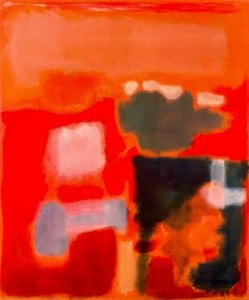
A Window into the Subconscious: Mark Rothko’s 1948 Untitled Painting
This captivating work by Mark Rothko, created in 1948 and measuring 135 x 119 cm, stands as a pivotal example of his transition towards mature Color Field painting. It's not merely an arrangement of hues; it’s an invitation to explore the depths of human emotion through pure abstraction.Style & Historical Context
Rooted firmly within the Abstract Expressionist movement, this piece reflects a post-World War II artistic climate grappling with existential questions and seeking new modes of expression beyond representation. Rothko, alongside artists like Barnett Newman and Clyfford Still, moved away from traditional subject matter to focus on the emotive power of color and form. 1948 was a crucial year for Rothko; he was actively distilling his style, moving away from figurative elements towards the large-scale, luminous fields that would define his later work. This painting exists at an exciting intersection – still bearing traces of earlier influences but clearly pointing toward his signature aesthetic.Technique & Materials
Rothko’s technique is immediately apparent in the rich impasto application of oil paint on canvas. The surface isn't smooth; it’s built up with layers, creating a tactile quality that draws the viewer in. Large brushes and palette knives were employed to lay down blocks of color – reds, blues, whites, and grays – with loose, gestural strokes. This wasn’t about precise rendering but about the act of painting itself, the physical engagement with the medium as a means of conveying feeling. The lack of defined lines allows colors to bleed into one another, fostering a sense of atmospheric depth despite the work's inherent flatness.Composition & Symbolism
The composition is deliberately unbalanced, eschewing traditional notions of harmony and symmetry. Varied shapes – amorphous blobs and irregular patches – create an energetic tension within the frame. This isn’t chaos for its own sake; it reflects a deliberate attempt to disrupt conventional visual expectations. While Rothko resisted assigning specific meanings to his work, these color combinations and forms evoke powerful emotional responses. The interplay of warm reds and cool blues can be interpreted as representing opposing forces – passion versus tranquility, hope versus despair. The absence of recognizable imagery encourages viewers to project their own feelings and experiences onto the canvas, making it a deeply personal encounter.Emotional Impact & Interpretation
This painting isn’t about *what* you see; it's about how it makes you feel. Rothko aimed to create works that were profoundly moving, capable of eliciting contemplation and even spiritual resonance. The scale of the piece – substantial at 135 x 119 cm – envelops the viewer, creating an immersive experience. It’s a work designed to be *felt* rather than intellectually analyzed. The painting's power lies in its ability to tap into universal human emotions—loneliness, joy, anxiety, and transcendence—without resorting to narrative or representation.Collecting & Interior Design
A Rothko-inspired piece adds a sophisticated touch to any space. Its abstract nature allows it to complement a wide range of interior styles, from minimalist modern to eclectic bohemian. The bold color palette can serve as a focal point in a neutral room or harmonize with existing vibrant décor. For collectors, this work represents an important moment in Rothko’s artistic development—a precursor to his iconic Color Field paintings and a testament to the power of abstract expressionism.


艺术家简介
马克·罗斯科:色彩的诗意与灵魂的回响
马克·罗斯科,这位生于1903年的拉脱维亚裔美国画家,以其标志性的“色彩田”绘画风格深刻地影响了20世纪的艺术发展。他的作品并非描绘具象的世界,而是通过纯粹的色彩和形式,直达人类灵魂深处的情感与精神领域。罗斯科的人生轨迹本身就充满了戏剧性:从拉脱维亚的 Dvinsk 小镇到俄勒冈州的波特兰,再到繁华喧嚣的纽约,每一次迁徙都伴随着文化冲击与身份认同的挣扎。童年时期目睹的社会动荡和家庭变故,为他日后的艺术创作奠定了深刻的情感基调——一种对人类苦难的敏感以及对存在意义的永恒追问。早期的绘画探索中,罗斯科尝试过写实风格,描绘城市景观与人物肖像,但这些作品中已隐约可见他对色彩和构图的独特理解。二战后的时代背景,促使他逐渐放弃具象表现,转而寻求更深层次的情感表达。受到超现实主义和神话故事的影响,罗斯科开始尝试用象征性的形式来传达内心的情感与精神体验。从具象到抽象:色彩的觉醒
在1940年代,罗斯科的艺术创作进入了一个关键的转型期。他逐渐摒弃了传统的绘画技巧和主题,转而探索纯粹的色彩和形式所能表达的情感力量。这一转变并非一蹴而就,而是经过了漫长的实验与探索。早期的作品中,我们仍能看到一些具象元素的痕迹,例如模糊的人物轮廓或抽象的几何形状。然而,随着时间的推移,罗斯科越来越倾向于用大面积的色彩来填满整个画布,从而创造出一种沉浸式的视觉体验。他开始对色彩的微妙变化和相互作用进行深入研究,试图通过色彩的组合来唤起观众内心深处的情感共鸣。这种对色彩的敏锐感知,以及对形式的简化处理,最终促使罗斯科形成了其独特的“色彩田”绘画风格。他的作品不再是简单的图像,而是成为了情感与精神的载体,能够引发人们对生命、死亡、爱与希望等永恒主题的思考。色彩田:灵魂的沉浸
罗斯科的“色彩田”绘画之所以具有如此强大的感染力,在于其独特的视觉语言和深刻的精神内涵。他的作品通常由几个巨大的矩形色块组成,这些色块相互叠加、渗透,形成一种流动而富有张力的画面效果。罗斯科对色彩的选择并非随意,而是经过了精心的考量。他常常使用深沉的红色、蓝色、绿色等颜色,以表达人类情感的复杂性和多样性。在创作过程中,罗斯科会反复涂抹和晕染颜料,使色彩之间产生微妙的变化和过渡,从而营造出一种朦胧而神秘的氛围。观者站在他的画作面前时,仿佛置身于一片广阔无垠的色彩海洋之中,被深深地吸引和包围。这种沉浸式的视觉体验,能够有效地屏蔽外界的干扰,使人们更加专注于内心的情感与精神世界。罗斯科希望通过他的作品,为观众提供一个安静而祥和的空间,让他们可以自由地思考、感受和冥想。世纪之作:西格拉姆壁画与罗斯科礼拜堂
在罗斯科的艺术生涯中,有两件作品尤为突出,它们不仅代表了他艺术风格的最高成就,也深刻地影响了后世的艺术发展。第一件是“西格拉姆壁画”,这组壁画原本是为了装饰纽约四季酒店而创作的。然而,罗斯科最终拒绝了这一委托,因为他认为将自己的作品置于商业场所是不合适的。他将这些壁画捐赠给了大英博物馆等机构,让更多的人能够欣赏到它们的美丽与力量。第二件是“罗斯科礼拜堂”,位于得克萨斯州的休斯顿。这座非传统的礼拜堂内部装饰着十四幅罗斯科的绘画作品,营造出一种庄严肃穆而又充满灵性的氛围。罗斯科礼拜堂被誉为现代艺术的圣殿,吸引了来自世界各地的朝圣者和艺术爱好者。这两件作品充分体现了罗斯科对艺术的深刻理解和对人类精神的关怀。永恒的回响:罗斯科的遗产
马克·罗斯科于1970年自杀身亡,结束了他短暂而辉煌的一生。然而,他的艺术却穿越时空,继续影响着一代又一代的艺术家和观众。罗斯科的作品不仅在美术馆和博物馆中被广泛收藏,也在世界各地的家庭和办公室里被人们所珍视。他开创了“色彩田”绘画这一独特的艺术风格,为抽象表现主义的发展做出了重要贡献。他的作品对极简主义、观念艺术等后现代艺术流派产生了深远的影响。罗斯科的艺术遗产不仅在于其作品的美学价值,更在于其深刻的精神内涵。他提醒我们关注人类情感的复杂性和多样性,鼓励我们探索内心世界的奥秘,并追求更高层次的精神境界。他的作品是色彩的诗意,也是灵魂的回响,将永远在艺术史上留下浓墨重彩的一笔。- 罗斯科的作品常常引发人们对生命、死亡、爱与希望等永恒主题的思考。
- 他开创了“色彩田”绘画这一独特的艺术风格,为抽象表现主义的发展做出了重要贡献。
- 罗斯科礼拜堂被誉为现代艺术的圣殿,吸引了来自世界各地的朝圣者和艺术爱好者。

马克·罗斯科
1903 - 1970 , 拉脱维亚
艺术家简介
- Artistic Movement Or Style: 抽象表现主义,色彩田野绘画
- Artists Or Movements Influenced By This Artist:
- 极简主义 (Minimalism)
- 抽象表现主义 (Abstract Expressionism)
- Artists Who Influenced This Artist:
- 保罗·塞尚 (Paul Cézanne)
- 米尔顿·埃弗里 (Milton Avery)
- Date Of Birth: 1903年9月25日
- Date Of Death: 1970年2月25日
- Full Name: 马克·罗斯科 (Mark Rothko)
- Nationality: 美国
- Notable Artworks:
- No. 10 (1950)
- 西格拉姆壁画 (Seagram Murals)
- 罗斯科礼拜堂 (Rothko Chapel)
- Place Of Birth: 拉脱维亚达乌格帕维尔斯 (Daugavpils, Latvia)
相关文章
马克·罗斯科25幅杰作:色彩与情感的深度之旅 | ArtsDot
探索马克·罗斯科25幅杰作,感受抽象表现主义的色彩力量与深刻情感。从经典色域绘画到无题系列,了解艺术史上的大师及其作品背后的故事。ArtsDot.com提供博物馆级高质量复制品,为您的家居装饰带来艺术灵感!立即探索完整收藏。

抽象表现主义:十幅定义艺术史的杰作
探索抽象表现主义的十幅经典杰作!波洛克、罗斯科等大师作品,揭秘艺术史上的重要瞬间。ArtsDot.com为您呈现高品质艺术品复制和精选家居装饰方案,感受现代艺术的力量与魅力。立即浏览全系列!

The Sublimity of Color: Exploring the Emotional Landscapes of Mark Rothko's Abstract Expressionism
Explore the profound emotional depth of Mark Rothko's abstract expressionism. Discover the history, techniques & lasting impact of this pivotal Color Field painter. Expert insights for collectors and art enthusiasts.

Kandinsky's Masterpieces: 25 Paintings That Define Abstract Art | ArtsDot
Journey through Wassily Kandinsky's 25 most iconic abstract paintings. Explore his revolutionary use of color, form & spiritual expressionism. Find museum-quality Kandinsky reproductions and elevate your home decor with ArtsDot.com. Discover all masterpieces on ArtsDot.com!

Slate Blue Masterpieces: 10 Iconic Paintings & Timeless Home Decor Ideas
Immerse yourself in the captivating world of slate blue! Explore 10 iconic paintings by Monet, Van Gogh & Renoir. Discover their stories, techniques & find museum-quality art reproductions for your home at .