


 发送
发送 分享
分享
 详情
详情 指南
指南

 下载图片
下载图片
 相似作品
相似作品 幻灯片播放
幻灯片播放 统计数据
统计数据Block for printing textiles
 Textile
- Celtic-inspired design
 1905
1905 14.0 x 11.0 cm
 Palazzo Fortuny
 阅读全文
阅读全文
艺术微喷/版画
博物馆级艺术微喷或帆布版画,制作高效,并提供多种饰面选择。 ( 订购此收藏品的纯手工复刻画作 切换至数字图像销售渠道)




































您可以从与原作比例一致的预设尺寸中进行选择。

您可以输入自定义尺寸,以适配特定的画框或空间。如果您选择的尺寸与原图比例不符,我们将对作品进行裁剪,或通过镜像填充/纯色填充边缘的方式来扩展图像。在开始制作之前,我们会向您发送一份数字效果图供您确认。
请注意,屏幕上的预览并不能反映实际的裁剪或扩展效果。只有效果图才能准确展示最终的构图。
虽然我们提供定制尺寸,但为了保持原图比例,我们建议您从预设列表中选择尺寸。


 玻璃选项仅适用于110厘米以下的尺寸。

Block for printing textiles
艺术微喷/版画
复刻品尺寸说明
-


总计金额
$ 62
A Fragment of Ancient Echoes: Mariano Fortuny’s ‘Block for Printing Textiles’
Within the hushed galleries of art history resides a deceptively simple object – a wooden block, carved with an intricate dance of geometric forms and subtly suggestive Celtic motifs. This is not merely a tool; it's a portal to a bygone era, a tangible link to the artistic ingenuity of Mariano Fortuny y Madrazo, a Spanish polymath whose vision transcended mere decoration. Fortuny’s ‘Block for Printing Textiles’ (1905), now meticulously reproduced in exquisite detail, offers a glimpse into his revolutionary approach to design and theatrical lighting, revealing a mind deeply influenced by both ancient traditions and the burgeoning innovations of the early 20th century.
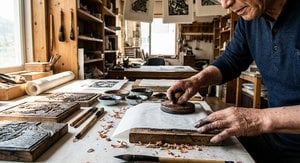
The block itself is crafted from boxwood, a material prized for its density and ability to retain fine details. Its surface isn’t smooth; rather, it bears the marks of deliberate carving – deep grooves that would have held the inked patterns during the printing process. The design is remarkably restrained yet profoundly evocative. Dominating the block are two opposing faces, each presenting a stylized human form, seemingly caught in an eternal embrace or contemplation. These aren’t literal representations; they're abstracted figures, hinting at themes of duality, balance, and perhaps even the interplay between masculine and feminine energies – a recurring motif throughout Fortuny’s oeuvre.
The Weaver of Light and Shadow: Fortuny’s Theatrical Legacy
To fully appreciate this block, one must understand Fortuny's broader artistic ambitions. Born in Granada in 1871, he inherited his father’s legacy as a painter but quickly developed an insatiable curiosity for diverse crafts – from sculpture and architecture to photography and stage lighting. His fascination with the theatre, particularly the work of Richard Wagner, proved transformative. Fortuny recognized that traditional theatrical design relied on jarring transitions between scenes, disrupting the immersive experience he envisioned. He sought to create a seamless flow, mimicking the natural progression of light and shadow.
This quest led him to develop the “Fortuny cyclorama dome,” a revolutionary device that utilized indirect lighting reflected off various surfaces to eliminate harsh shadows and create a continuous, atmospheric illumination across the stage. His treatise, ‘Eclairage Scenique’ (1904), meticulously documented his discoveries – a radical departure from conventional stage design. The block for printing textiles wasn't simply a decorative element; it was intrinsically linked to this larger project, serving as a visual representation of the geometric principles underpinning his lighting system. The precise patterns carved into the wood mirrored the complex interplay of light and shadow he sought to achieve on stage.
Roots in Ancient Techniques: Woodblock Printing’s Enduring Allure
Fortuny's work is deeply rooted in the rich history of woodblock printing, a technique that stretches back millennia. From its origins in ancient China – where it was used for both textiles and paper – to its flourishing in Japan (ukiyo-e prints), this method has served as a powerful tool for artistic expression. The block itself embodies this legacy: a testament to the skill of artisans who patiently carved intricate designs into wood, preparing them for the application of ink and subsequent transfer onto fabric.
Consider the influence of traditional Japanese ukiyo-e prints, characterized by bold outlines, flat planes of color, and a focus on capturing fleeting moments of beauty. While Fortuny’s style is distinctly his own – incorporating elements of Celtic design and a refined European aesthetic – one can discern echoes of this ancient tradition in the block's composition and its emphasis on geometric abstraction. The careful consideration given to the carving process itself speaks volumes about the dedication and artistry involved.
A Timeless Echo: Reproduction and Artistic Resonance
Today, ‘Block for Printing Textiles’ is brought back to life through meticulous hand-painted reproductions. These aren't mere copies; they are faithful interpretations that capture the essence of Fortuny’s original vision. The subtle variations in color, texture, and detail reflect the inherent imperfections of the handcrafted process – a reminder that each reproduction possesses its own unique character.
Whether adorning a contemporary interior or serving as a focal point in an art collection, this block offers more than just visual appeal. It’s a window into the mind of a visionary artist, a celebration of ancient techniques, and a testament to the enduring power of design to evoke emotion and inspire contemplation. It's a fragment of ancient echoes, brought vividly back to life.
相关艺术品


艺术家简介
早年生活与灵感
马里亚诺·福尔图尼,一位西班牙时尚设计师,于1871年5月11日出生在格拉纳达。他的父亲马里亚诺·福尔图尼·伊·马尔萨尔是一位风俗画家,在他年仅三岁时便去世。这一事件导致全家搬迁至巴黎,在那里,他的母亲向他介绍了各种纺织品和面料,这些面料后来深刻影响了他的创作灵感。在巴黎的氛围中,福尔图尼接触到了丰富的艺术资源和前卫的设计理念,为他日后的艺术生涯奠定了坚实的基础。童年的经历塑造了他对色彩、纹理和图案的敏锐感知力,并激发了他对东方艺术的热爱。艺术才华与发明创造
马里亚诺·福尔图尼从小就展现出非凡的艺术天赋,在绘画、摄影、雕塑、建筑、蚀刻以及戏剧舞台灯光设计等领域都表现出卓越的技能。他是一位多才多艺的天才艺术家,不断探索新的创作形式和技术手段。从1901年到1934年间,他获得了二十多项专利,彻底革新了戏剧设计领域。其中最著名的发明之一是福尔图尼圆顶灯(Fortuny Cyclorama Dome),这是一种四分之一球形的石膏或布结构,利用间接照明创造出场景之间的无缝过渡效果。他的论文《舞台照明》(Eclairage Scénique,1904年)详细描述了他发现通过反射不同表面的光线来改变其颜色、强度和特性的方法。福尔图尼的这些发明不仅提升了戏剧表演的视觉效果,也为现代舞台灯光技术的发展做出了重要贡献。他对于光线的运用达到了炉火纯青的地步,能够营造出梦幻般的氛围和强烈的艺术感染力。重要的贡献与合作
马里亚诺·福尔图尼的作品在20世纪20年代获得了广泛的认可。他与许多杰出的艺术家和文化人士展开了合作,其中包括:理查德·瓦格纳,一位德国作曲家,他的歌剧作品激发了福尔图尼创作绘画场景的灵感。著名的米兰歌剧院斯卡拉歌剧院,在那里他安装了他的圆顶灯,并根据更大的剧院规模进行改造,同时还发明了一个吸风扇来保持其张力结构。福尔图尼与瓦格纳的合作体现了他对戏剧艺术的热情和对舞台效果的不懈追求。他对东方文化元素的融入也为他的作品增添了独特的魅力。遗产与晚年生活
马里亚诺·福尔图尼于1949年5月3日在意大利威尼斯去世。他的作品启发了法国小说家马塞尔·普鲁斯特,并且他的生活被皮埃尔·吉梅内尔的小说《福尔图尼》所描绘。马里亚诺的遗产继续影响着戏剧设计领域。他对于色彩、纹理和光线的独特运用,以及他对东方艺术元素的巧妙融合,都为后世艺术家提供了宝贵的借鉴。探索更多关于马里亚诺·福尔图尼的发明和设计作品,请访问ArtsDot的收藏。 了解他对戏剧照明的影响,请参阅《博物馆被毁事件》(美国),这是一个塑造美国艺术历史的不幸事件,可在ArtsDot的博客上找到。马里亚诺·福尔图尼和其他艺术家的精选绘画
- 马里亚诺·福尔图尼:茶衣(波士顿美术馆,美国),可在ArtsDot的收藏上找到。
- 马克·夏加尔:《为《所罗门之歌》IV研究》(天真艺术/原始主义),可在ArtsDot的收藏上找到。
- 巴勃罗·毕加索:单簧管(分析立体主义,油画),可在ArtsDot的收藏上找到。
- 文森特·梵高:《树根》(50 x 100厘米,后印象派,油画),可在ArtsDot的收藏上找到。

马里亚诺·福尔图尼
1871 - 1949 , 西班牙
快速概览
- Artistic Movement Or Style: 东方主义艺术
- Artists Or Movements Influenced By This Artist: ['马塞尔·普鲁斯特']
- Artists Who Influenced This Artist: ['理查德·瓦格纳']
- Date Of Birth: 1871年5月11日
- Date Of Death: 1949年5月3日
- Full Name: 马里亚诺·福尔图尼 y 马尔萨尔
- Nationality: 西班牙国籍
- Notable Artworks:
- 茶袍
- 亨丽埃塔·福尔图尼肖像
- Place Of Birth (City And Country): 西班牙格拉纳达
相关文章

The Enduring Legacy of Fine Art Prints: Technique, History & Aesthetic Impact
Explore the rich history & techniques of fine art prints. Discover investment potential, assess authenticity, and learn how to preserve your collection with expert guidance. Trusted insights for discerning collectors.

Mariano Fortuny: A Fusion of Art, Fashion & Design – Exploring a Venetian Innovator's Legacy
Explore the captivating world of Mariano Fortuny – artist, designer & innovator. Discover his revolutionary textiles, iconic Delphos gown, and lasting influence on art, fashion & interiors. A collector's guide to a Venetian master.
木刻版画的持久遗产:技术、历史与艺术表达 (Mùkè bǎnhuà de chíjiǔ yíchǎn: jìshù, lìshǐ yǔ yìshù biǎodá)
探索浮世绘的迷人世界:深入了解其历史、精湛技法和对西方艺术的深远影响。ArtsDot为您提供专业的艺术咨询与高品质浮世绘复制品,重现经典之美。

葛饰北斋:25幅传世名作,浮世绘大师的艺术传奇 (Katsushika Hokusai: 25 Masterpieces, The Art Legacy of the Ukiyo-e Master)
探索葛饰北斋的25幅传世名作!深入了解浮世绘大师的艺术传奇,感受《神奈川冲浪波》等经典作品背后的故事与魅力。ArtsDot.com提供博物馆级高质量复制品,为您的家居带来日本风情和艺术灵感。立即探索完整系列!

高檔藝術品複製技術:Giclée微噴的檔案品質與鑑賞細節
深入了解Giclée微噴技術:檔案品質、色彩還原的專業解析。探索高檔藝術品複製的細節與保存技巧,為您的收藏提供博物館級別的選擇。專家指導,確保完美呈現原作神韻。
