


 效果预览
效果预览
 购买印刷品
购买印刷品 分享
分享 分享
分享
 详情
详情

 下载
下载
 相似作品
相似作品 X射线
X射线 幻灯片播放
幻灯片播放Selected Details after Cranach
 Print
Print- WallArt
- Dadaism
 1968
1968- Late Medieval
 34.0 x 23.0 cm
 展开详情
展开详情




P118B $10

P118H $10

P118W $10

P438Z $10

P508JH $12

P508YH $12

P805H $10

P805Z $10

P919BZ $10

P919G $10

P919XJ $10

P959ZH $10

P968JZ $12

W106C $8

W218G $10

W218JH $8

W218Y $10

W307PJ $10

W316G $10

W316PJ $8

W316Y $10

W398PJ $8

W4111J $10

W500HY $15

W500JH $15

W692G $12

W849H $8

W940BG $15

W953PJ $8




从与原作比例一致的预设尺寸中进行选择。

您可以输入自定义尺寸,以适配特定的画框或空间。如果所选尺寸与原图比例不符,我们将通过裁剪作品或添加手绘元素来扩展画面。数字样稿将在制作开始前发送给您确认。
请注意,屏幕预览无法准确反映实际的裁剪或扩展效果,只有样稿才能真实呈现最终的构图。
虽然我们提供定制尺寸服务,但为了保留原作比例,建议您从预设列表中选择尺寸。
下单后,ArtsDot.com 团队将通过电子邮件联系客户获取具体要求,并提供效果预览图。


 玻璃选项仅适用于110厘米以下的尺寸。

Selected Details after Cranach
复制材质
复制品尺寸
-


最终总价
$ 288
Selected Details after Cranach and Relâche – A Study in Minimalism and Duchampian Inquiry
Marcel Duchamp’s “Selected Details after Cranach and Relâche,” created in 1968, isn't a painting in the traditional sense; it’s an etching and aquatint—a subtle yet profound meditation on representation, appropriation, and the very nature of art itself. This deceptively simple work, measuring just 34 x 23 centimeters, invites prolonged contemplation, revealing layers of intellectual engagement that echo Duchamp's revolutionary spirit and his deep respect for the German Renaissance master Lucas Cranach the Elder.
The image depicts two nude figures—a man and a woman—standing in a stark, almost clinical arrangement. They are rendered with an astonishing economy of line; the forms emerge not through detailed shading or vibrant color, but through precise, unwavering black ink on pristine white paper. This minimalist approach immediately establishes a sense of detachment, pulling the viewer away from the immediate sensuality of the subject matter and into a realm of conceptual inquiry. The figures are positioned side-by-side, their gazes averted, creating an atmosphere of quiet contemplation—or perhaps, unsettling ambiguity. The composition is remarkably centered, emphasizing the duality presented before us.
Technique and Process: A Dialogue with Cranach
Duchamp’s choice to work in etching and aquatint speaks volumes about his artistic intentions. Etching involves using acid to create lines on a metal plate, while aquatint employs dust to produce tonal variations. This combination allows for both sharp detail and subtle gradations of gray—essential elements in conveying the figures' forms with such understated elegance. Crucially, Duchamp’s process deliberately departs from traditional representation. He doesn’t attempt to faithfully reproduce Cranach’s style; instead, he uses the etching technique as a vehicle for exploring his own ideas about perception and the illusion of reality.
The reference to Lucas Cranach is deliberate and complex. Cranach was a prolific painter of mythological and allegorical scenes, often depicting nude figures in dynamic poses. Duchamp’s work isn't a direct copy but rather an “after” – a selection of details, a distillation of Cranach’s approach. He seems to be interrogating the very act of representation, questioning how we perceive and interpret images, particularly those rooted in classical tradition.
Symbolism and Conceptual Depth
Beyond its formal qualities, “Selected Details after Cranach and Relâche” is laden with symbolic weight. The nude figures themselves are open to interpretation—they could represent lovers, companions, or simply two individuals engaged in a silent exchange. The averted gazes suggest a lack of connection, perhaps reflecting the inherent limitations of representation itself. Duchamp’s inclusion of “Relâche,” a term he used to describe his approach to art as a kind of ‘release,’ hints at a desire to dismantle traditional notions of artistic value and challenge viewers to actively participate in the creation of meaning.
The work's starkness—the black ink against white paper—evokes a sense of vulnerability, stripping away any superficial ornamentation. It’s a deliberate act of reduction, forcing us to confront the essential elements of the image and consider what remains when everything else is removed. The reference to “Cranach” adds another layer of complexity, suggesting a dialogue between past and present, tradition and innovation.
A Legacy of Conceptual Art
“Selected Details after Cranach and Relâche” stands as a pivotal work in Duchamp’s oeuvre and a cornerstone of conceptual art. It exemplifies his relentless questioning of artistic conventions and his willingness to challenge the very definition of what constitutes “art.” The piece's enduring appeal lies not only in its formal beauty but also in its profound intellectual depth—a testament to Duchamp’s genius as both an artist and a thinker. Reproductions, like this one, offer a chance to engage with this complex and rewarding work, inviting us to contemplate the relationship between image, representation, and our own perceptions of reality.
相似艺术品


艺术家简介
马塞尔·杜尚:观念艺术的先驱与艺术定义的颠覆者
马塞尔·杜尚(Marcel Duchamp,1887-1968)并非仅仅一位艺术家,更是一位深刻的思想家和艺术界的革命者。他以其独特的视角和前卫的实践,彻底改变了人们对艺术的理解,为20世纪现代艺术的发展奠定了基石。出生于法国布莱尼维尔-叙默的小镇,杜尚早年便展现出对艺术的热情,并在巴黎美术学院学习过短暂的一段时间。然而,他很快意识到传统的艺术教育并不能满足他对艺术本质的深刻探究。他并非仅仅追求绘画技巧的精湛,而是渴望挑战艺术的定义、目的以及其在社会中的角色。这种不安于现状的精神,最终促使他走上了颠覆传统艺术观念的道路。从立体主义到达达:对传统的决绝
杜尚的艺术生涯充满了不断地探索和转变。早期的作品受到立体主义的影响,例如《象棋棋手肖像》(1911),展现了他对碎片化形式和多重视角的兴趣。然而,他很快超越了单纯的视觉美学追求,意识到仅仅通过重新排列视觉元素并不能触及更深层次的问题。一战的残酷现实进一步加剧了他的不满,促使他投身于达达主义运动。在达达主义的影响下,杜尚开始对艺术的传统观念发起挑战。他不再致力于创造令人愉悦的美丽物体,而是希望通过作品引发思考、质疑假设,并揭示审美判断的任意性。《着装下楼的裸女》(1912)激怒了许多立体主义画家,因为它既借鉴了立体主义的色彩和形式,又融入了对运动的描绘以及对女性形象的解构。杜尚逐渐将艺术创作从视觉愉悦转向观念表达。“现成品”:颠覆艺术定义的钥匙
杜尚最伟大的贡献莫过于“现成品”(readymade)的概念。这是一种将日常工业制品作为艺术品的做法,是对传统艺术技能和作者概念的直接挑战。他选择的物品往往是普通到难以想象的事物,例如小便池(《泉》,1917),经过他的重新命名和署名“R. Mutt”,便被提升为一件艺术品。这件作品提交给独立艺术家展览时,引发了巨大的争议,迫使人们重新思考什么是艺术、谁可以定义艺术以及艺术的价值所在。《L.H.O.O.Q》(1919)则是一张蒙娜丽莎的明信片,上面被杜尚画上了胡须和猴子的眼睛,是对艺术史经典作品的戏仿与解构。这些“现成品”并非仅仅是简单的物品摆设,而是艺术家观念的具象化,它们挑战了人们对艺术的固有认知,强调了思想在艺术创作中的主导地位。《巨大的玻璃》:象征主义的迷宫
杜尚耗费近十年时间创作的巨幅作品《巨大的玻璃》(The Large Glass,1915-1923)是其艺术生涯中最具野心的项目之一。这件作品由两块巨大的玻璃面板组成,上面绘制着复杂的符号和图像,构成了一个神秘而迷人的世界。它被解读为对浪漫主义、工业化以及人类欲望的复杂思考。《巨大的玻璃》并非一件容易理解的作品,它的象征意义充满了歧义,但正是这种模糊性和开放性吸引了无数观众和艺术评论家。杜尚本人也从未明确解释其含义,而是鼓励观者进行自由的解读和想象。持久的影响与遗产
马塞尔·杜尚对后世艺术家的影响是深远的。他为观念艺术的发展铺平了道路,启发了极简主义、波普艺术等一系列重要的艺术运动。他对艺术定义的质疑以及对艺术家角色重新审视的态度,至今仍激励着当代艺术家不断探索艺术的边界。《现成品》的概念彻底改变了人们对艺术创作方式的理解,强调了观念在艺术中的重要性。杜尚的作品并非仅仅是视觉上的享受,更是思想的挑战和精神的启迪。他是一位真正的革命者,用他的作品颠覆了传统的艺术观念,为现代艺术的发展开辟了新的道路。他留下的遗产,不仅仅是一系列具有历史意义的艺术品,更是一种对艺术本质的深刻思考,一种永不妥协的精神。
马塞尔·杜尚
1887 - 1968 , 法国
艺术家简介
- Artistic Movement Or Style:
- 立体主义
- 达达主义
- 观念艺术
- Artists Or Movements Influenced By This Artist:
- 观念艺术
- 波普艺术
- 极简主义
- Date Of Birth: 1887年7月28日
- Date Of Death: 1968年10月2日
- Full Name: 马塞尔·杜尚
- Nationality: 法国裔美国人
- Notable Artworks:
- 《下楼的裸女》
- 《泉》
- 《大型玻璃》
- 《波伊特-恩-瓦莱兹》
- Place Of Birth: 布莱尼维尔-苏尔-默,法国
相关文章

Etching Masters: 10 Legendary Prints That Revolutionized Art | ArtsDot
Journey through 10 legendary etching masterpieces by Rembrandt, Dürer & Goya. Explore the history of printmaking and discover timeless art for your home. Find museum-quality reproductions at ArtsDot.com.

蝕刻艺术的历史巡礼:技法、美学特征与持久的艺术意义
深入探索蚀刻艺术的历史、技法与大师之作。专业分析光影线条美学,了解伦勃朗、丢勒等大师的创作秘诀。ArtsDot.com为您提供高品质油画复制和定制服务,重现经典艺术!

Dark Masterpieces: 10 Iconic Paintings Dominated by Black Tones |
Explore 10 iconic paintings dominated by black tones, from Rembrandt’s chiaroscuro to Goya's dark expressions. Discover the stories behind these masterpieces & find museum-quality art reproductions for your home at .

The Intricate World of Etching: A Historical Survey of Technique, Aesthetic Evolution, and Enduring Artistic Impact
Explore the rich history of etching, from its origins to modern practice. Discover techniques, key artists like Rembrandt, and insights for collectors. A comprehensive guide by ArtsDot.
Marcel Duchamp: Challenging Conventions & Redefining Art in the 20th Century
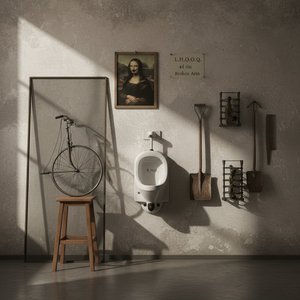
Explore the revolutionary art of Marcel Duchamp! Discover how his Dadaist readymades challenged artistic conventions & redefined modern art. A deep dive into 'Fountain', conceptual shifts, and his lasting impact.



