

 实景预览
实景预览
 分享
分享 分享
分享
 详情
详情 指南
指南

 下载作品
下载作品
 相似作品
相似作品 X射线
X射线 幻灯片播放
幻灯片播放 问答
问答 统计数据
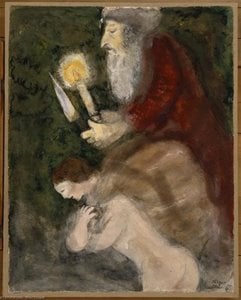
统计数据Abraham and three Angels

- 22.0 x 31.0 cm


 展开全文
展开全文
艺术微喷/版画
博物馆级艺术微喷或帆布版画,制作高效,并提供多种饰面选择。 ( 订购纯手工绘制画作 切换至数字图像销售渠道)




P118B ¥10

P118H ¥10

P118W ¥10

P438Z ¥10

P508JH ¥12

P508YH ¥12

P805H ¥10

P805Z ¥10

P919BZ ¥10

P919G ¥10

P919XJ ¥10

P959ZH ¥10

P968JZ ¥12

W106C ¥8

W218G ¥10

W218JH ¥8

W218Y ¥10

W307PJ ¥10

W316G ¥10

W316PJ ¥8

W316Y ¥10

W398PJ ¥8

W4111J ¥10

W500HY ¥15

W500JH ¥15

W692G ¥12

W849H ¥8

W940BG ¥15

W953PJ ¥8




您可以从与原作比例一致的预设尺寸中进行选择。

请输入您所需的宽度和高度,以适配您的画框或墙面。由于印刷品只能进行裁剪,无法超出原图尺寸,因此若比例不一致,画面的一部分将会被裁切。在正式印刷之前,我们会为您发送一份数字效果图供您确认。本页面显示的图片并非最终裁剪后的效果——只有效果图才能展示真实的裁剪情况。


 玻璃选项仅适用于110厘米以下的尺寸。

Abraham and three Angels
艺术微喷/版画
复刻品尺寸
-


最终结算价
¥ 423
A Dreamscape of Faith: The Vision of Abraham and Three Angels
In the luminous realm of Marc Chagall’s 1964 masterpiece, “Abraham and three Angels,” the boundaries between the earthly and the divine dissolve into a vibrant tapestry of color and memory. This painting serves as a profound window into the artist's soul, where the biblical narrative of the Old Testament is not merely recounted but reimagined through a lens of spiritual yearning and poetic imagination. The scene captures a sacred moment of hospitality, depicting Abraham, Moses, and Aaron gathered around a table within a desert landscape. It is a composition that breathes with the rhythm of a dream, inviting the viewer to step away from the heavy constraints of reality and enter a space where faith is rendered in brilliant, emotive hues.
Chagall’s signature Naïve Art style is the heartbeat of this work, rejecting the rigid academic conventions of perspective and realism in favor of an expressive immediacy. Through flattened forms and simplified geometries, the artist prioritizes the emotional essence of the gathering over meticulous anatomical accuracy. The technique, rooted in his early experiences as a sign painter, utilizes bold brushstrokes and a masterful layering of colors to create an illusionistic depth that feels both spontaneous and deeply intentional. The use of tempera on canvas lends a particular luminosity to the palette, allowing the colors to glow with an inner light that mirrors the divine presence within the scene.
Symbolism and the Poetic Landscape
Every element within this desert setting is imbued with layers of symbolic meaning, transforming a simple meal into a cosmic event. The table, surrounded by chairs and adorned with cups, acts as the altar of human connection and divine intervention. As Abraham welcomes the three angels, the painting captures the tension between the solitude of the pilgrimage and the warmth of communal devotion. Even the incidental details, such as the donkey appearing in the background, serve a greater purpose; it stands as a symbol of humility and pastoral simplicity, anchoring the celestial encounter within a familiar, earthly landscape.
For the collector or the interior designer, this piece offers more than mere decoration; it provides an emotional anchor. The vibrant, swirling colors and the whimsical, floating quality of the figures create a sense of movement and life that can transform any space into a sanctuary of contemplation. It is a work that celebrates the enduring power of folklore and the beauty of the subconscious, making it an exquisite choice for those seeking to surround themselves with art that speaks to the spirit and inspires a sense of wonder.
常见问题与解答
"Abraham and three Angels" 的色彩之间是如何相互关联的?
"Abraham and three Angels" 的色彩和谐度评分为 Unified Palette。
在 1964 年创作“Abraham and three Angels”时,马尔克·夏加尔 的年龄是多少?
当"Abraham and three Angels"于1964创作时,出生于1887的马尔克·夏加尔正值77岁。
马尔克·夏加尔 的《Abraham and three Angels》 融合了怎样的主题与氛围?
马尔克·夏加尔 的《Abraham and three Angels》 描绘了 biblical narrative, jewish folklore, desert landscape, religious symbolism, dream imagery, color palette, human figure,营造出 Ethereal 的意境。其主题与氛围共同构成了这件作品的精髓。
相似作品




艺术家简介
梦幻之笔下的生命:马克·夏加尔的世界
马克·夏加尔,原名莫伊谢·沙格尔,1887年出生于白俄罗斯小镇里奥兹纳附近的维特布斯克。他不仅仅是一位画家,更是一位色彩的诗人、梦想的编织者和记忆的记录者。他的生命跨越了二十世纪的动荡波澜,却始终将艺术根植于一种深刻而个人化的视角——这种视角充满了他在哈西德犹太教传统中汲取的民间传说,以及对想象力的坚定信念。维特布斯克本身不仅仅是他的故乡,更是他艺术宇宙的情感核心,一个反复出现的意象,充斥着飞翔的人物、异想天开的动物和记忆中的风景所呈现的鲜艳色彩。这个小镇独特的文化融合——俄罗斯东正教教堂与熙熙攘攘的犹太市场并存——塑造了一种审美敏感性,这贯穿了他漫长职业生涯始终,难以被简单地归类于任何一种艺术运动。尽管他最初在当地油漆匠那里学习,后来又在圣彼得堡跟随列昂·巴克特,并在巴黎的格兰德肖米埃学院进修,夏加尔从未完全拥抱任何单一的艺术流派。他吸收了立体主义、象征主义和野兽派的元素,但总能通过自己强烈而个人化的视角来过滤它们,创造出一种独一无二、不可否认是夏加尔风格的艺术形式。独特的视觉语言的塑造
夏加尔早期的作品已经暗示了他将要发展出的独特语言。《我和村庄》(1911)并非仅仅是对场所的描绘;它是对身份、记忆以及个人与社会之间关系的探索。这个村庄不是以现实主义的方式呈现,而是作为一系列回忆的碎片集合,充满了象征意义。他将个人经历转化为普遍主题的能力成为了他艺术的标志。他的调色板大胆而富有表现力,经常采用鲜艳的非自然色彩来传达情感而非字面上的表征。人物在画布上漂浮和舞蹈,无视重力和逻辑,创造出一种梦幻般的氛围,邀请观众进入他的内心世界。这种风格化的方法并非偶然;它源于一种摆脱对现实简单模仿的愿望,而是要捕捉到感觉的本质、记忆的重量以及民间传说的力量。俄国革命将夏加尔带回维特布斯克,在那里他参与了文化倡议,建立了一所艺术学校,这所学校短暂地繁荣一时,但最终屈服于新政权强加的限制。这段时期既充满了创造性的活力,也充满了政治幻灭感,这种紧张关系将继续塑造他的艺术轨迹。漂泊的世界:巴黎、纽约及其他
最终,夏加尔离开了俄罗斯,定居在法国(1923年)。这标志着国际认可和多产创造力的开端。《维特布斯克之上》(1920-1922)展示了他对童年记忆的持续关注,而灵感来自圣经故事的绘画——例如《雅各伯之梦》——则揭示了他日益增长对宗教主题的兴趣。第二次世界大战爆发迫使他逃离被占领的法国前往美国,在那里他在纽约市度过了七年。这段时期充满了深刻的情感动荡和艺术实验。他在艺术中找到了慰藉,创作了能够反映时代焦虑和不确定性的强大作品。《白色受难》(1938)是一幅令人心碎的苦难和迫害描绘,证明了这一时代的真实性。战后,夏加尔返回法国,在那里他继续绘画和创作,直到 1985 年去世,享年 97 岁。遗产与持久的影响
在晚年,马克·夏加尔获得了许多著名的委托,包括巴黎歌剧院的天花板(1964),这是一个色彩和形式的令人惊叹的爆发,庆祝了音乐杰作,以及耶路撒冷哈达萨医学院犹太大学附属医院的彩色玻璃窗。这些大型项目使他能够将他的艺术愿景转化为建筑空间,创造出持续激发敬畏和奇迹的沉浸式环境。夏加尔对后世艺术家影响深远。他的抒情性、情感深度和想象力吸引了超现实主义者和其他拥抱幻想和象征主义的运动。他弥合了欧洲现代主义与犹太文化认同之间的差距,被誉为“二十世纪最典型的犹太艺术家”。他将个人经历、民间传说和普遍主题融为一体的能力继续引起世界各地观众的共鸣。 他的作品提醒我们艺术的力量可以超越界限,将我们与共同的人性联系起来,并照亮生命的美丽和神秘。持久的印象
马克·夏加尔的遗产超越了他的绘画和彩色玻璃;它存在于他愿景的持久力量中——一种庆祝爱、记忆和人类想象力的无限可能性的愿景。他留下了一部既深刻而又普遍易懂的作品,邀请观众沉浸在一个用梦想描绘并充满希望的世界里。尼斯市的马克·夏加尔博物馆是其持久影响力的证明,收藏了他的作品,并为游客提供了一个窥视这位非凡艺术家的内心世界的机会。他的艺术继续激励、挑战和感动着我们,确保了他的鲜活而富有想象力的精神将世代相传。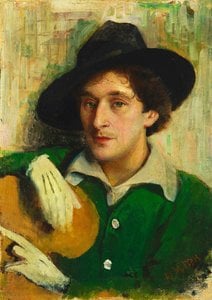
马尔克·夏加尔
1887 - 1985 , 白俄罗斯
艺术家简介
- 全名: 马克·夏加尔
- 出生地点: 白俄罗斯利奥兹纳
- 出生日期: 1887年7月6日
- 去世日期: 1985年3月28日
- 受影响的艺术家或流派:
- 超现实主义
- 现代艺术家
- 国籍: 俄罗斯-法国
- 影响艺术家:
- 巴斯特
- 德拉奈
- 博罗维科夫斯基
- 艺术风格: 现代主义,立体主义
- 著名作品:
- 我与村庄
- 维特布斯克上空
- 白色圣殇
相关文章

The Enduring Legacy of Fine Art Prints: Technique, History & Aesthetic Impact
Explore the rich history & techniques of fine art prints. Discover investment potential, assess authenticity, and learn how to preserve your collection with expert guidance. Trusted insights for discerning collectors.

Echoes of Time: Exploring the Enduring Appeal & Historical Context of Vintage Art Prints
Explore the captivating world of vintage art prints! Discover their history, collecting tips & enduring appeal. Expert insights on chromolithography and building a legacy collection with ArtsDot.
Transforming Spaces: A Comprehensive Exploration of Wall Decor Through Art History & Contemporary Practice
Explore the art of transforming spaces with our comprehensive guide to wall decor. From historical movements to contemporary trends, discover how to curate impactful interiors and commission bespoke artwork for a truly personalized aesthetic.

高檔藝術品複製技術:Giclée微噴的檔案品質與鑑賞細節
深入了解Giclée微噴技術:檔案品質、色彩還原的專業解析。探索高檔藝術品複製的細節與保存技巧,為您的收藏提供博物館級別的選擇。專家指導,確保完美呈現原作神韻。

壁画艺术的复兴:现代奢华空间中的历史回响与创新实践
探索壁画艺术的复兴及其在奢华酒店空间中的应用。了解丝绸之路文化影响、传统技法创新与定制化设计方案。ArtsDot.com提供专业咨询,打造独一无二的文化空间。


