


 效果预览
效果预览
 分享
分享 分享
分享
 详情
详情 指南
指南

 下载
下载
 相似作品
相似作品 X射线
X射线 幻灯片播放
幻灯片播放 统计数据
统计数据The Fruit and Vegetable Costermonger
 Oil On Canvas
- WallArt
- Baroque Still Life
 1631
1631 48.0 x 65.0 cm
 卢浮宫
卢浮宫
 展开详情
展开详情
艺术微喷/版画
博物馆级艺术微喷或帆布版画,制作高效,并提供多种饰面选择。 ( 购买手绘画作 切换至数字图像销售渠道)




P118B $10

P118H $10

P118W $10

P438Z $10

P508JH $12

P508YH $12

P805H $10

P805Z $10

P919BZ $10

P919G $10

P919XJ $10

P959ZH $10

P968JZ $12

W106C $8

W218G $10

W218JH $8

W218Y $10

W307PJ $10

W316G $10

W316PJ $8

W316Y $10

W398PJ $8

W4111J $10

W500HY $15

W500JH $15

W692G $12

W849H $8

W940BG $15

W953PJ $8




从与原作比例一致的预设尺寸中进行选择。

您可以输入自定义尺寸,以适配特定的画框或空间。如果您选择的尺寸与原图比例不符,我们将对作品进行裁剪,或通过镜像填充/纯色填充边缘的方式来扩展图像。在开始制作之前,我们会向您发送一份数字效果图供您确认。
请注意,屏幕上的预览并不能反映实际的裁剪或扩展效果。只有效果图才能准确展示最终的构图。
虽然我们提供定制尺寸,但为了保持原图比例,我们建议您从预设列表中选择尺寸。


 玻璃选项仅适用于110厘米以下的尺寸。

The Fruit and Vegetable Costermonger
艺术微喷/版画
复制品尺寸
-


最终总价
$ 62
The Fruit and Vegetable Costermonger: A Window into 17th-Century Parisian Life
Louise Moillon’s “The Fruit and Vegetable Costermonger,” painted in 1631, is more than just a still life; it's a vibrant snapshot of daily life in 17th-century Paris. This remarkable work, now housed within the Louvre Museum, offers a captivating glimpse into the bustling markets and social dynamics of a city undergoing significant transformation. Moillon’s masterful technique and keen observation elevate this seemingly simple scene to a level of profound artistic merit, revealing layers of symbolism and historical context that continue to intrigue art historians today.
Born into a family steeped in artistic tradition – her father, Nicolas Moillon, was himself a respected painter – Louise Moillon benefited from an early exposure to the principles of observation and representation. Raised within the Huguenot community of Saint-Germain-des-Prés, she inherited a sensibility that valued naturalism and detail, qualities deeply rooted in the artistic heritage of the Netherlands, where many of her family members had sought refuge. This background profoundly shaped her style, imbuing her paintings with an understated elegance and a meticulous attention to the textures and colors of everyday objects.
A Symphony of Color and Light
Moillon’s skill lies not just in her ability to depict fruit and vegetables realistically, but in her masterful manipulation of light and shadow – a technique known as *chiaroscuro*. The painting is dominated by a warm, diffused light that seems to emanate from an unseen source, bathing the table and its contents in a golden glow. This careful use of light not only enhances the visual appeal of the scene but also creates a sense of depth and volume, drawing the viewer into the heart of the market stall. Notice how she uses highlights to emphasize the smooth skin of the peaches, the glossy sheen of the oranges, and the delicate veins in the leaves – each detail rendered with exquisite precision.
The composition itself is carefully balanced, creating a sense of harmony and order amidst the apparent chaos of the market scene. The arrangement of the fruits and vegetables—the abundance of apples, the vibrant hues of the oranges, the contrasting textures of the broccoli—is deliberately asymmetrical, adding to the painting’s dynamism and visual interest. The inclusion of the two women, seemingly engaged in a transaction, subtly introduces an element of human interaction into this otherwise still-life tableau, grounding the scene in the realities of daily life.
Symbolism and Social Commentary
Beyond its aesthetic qualities, “The Fruit and Vegetable Costermonger” is rich in symbolic meaning. The presence of the costermonger – a street vendor selling fruits and vegetables—reflects the growing commercial activity in Paris during the 17th century. The painting can be interpreted as a commentary on the social hierarchy of the time, with the wealthy women observing the proceedings from their elevated position while the costermonger provides sustenance for the masses. The abundance of fruit and vegetables also carries symbolic weight, representing prosperity, fertility, and the bounty of nature – themes that were particularly resonant during a period marked by both religious upheaval and economic growth.
Furthermore, Moillon’s decision to depict these fruits and vegetables at their peak ripeness—without any signs of decay or spoilage—is noteworthy. This deliberate choice challenges the traditional *memento mori* (remember you must die) motif prevalent in Dutch still-life paintings of the era, which often featured decaying fruit as a reminder of mortality. Instead, Moillon celebrates the beauty and vitality of life, capturing a fleeting moment of abundance and pleasure.
A Timeless Masterpiece
“The Fruit and Vegetable Costermonger” stands as a testament to Louise Moillon’s artistic genius and her ability to capture the essence of a particular time and place. Her meticulous attention to detail, masterful use of light and shadow, and subtle symbolic meanings combine to create a work that is both visually stunning and intellectually stimulating. Today, this painting continues to captivate viewers with its vibrant colors, dynamic composition, and profound insights into the social and cultural landscape of 17th-century Paris – a timeless masterpiece that offers a unique window into the past.
相似艺术品


艺术家简介
路易丝·莫永的静谧光辉
在巴洛克时代那宏大而波澜壮阔的叙事中,戏剧性的冲突与剧烈的运动往往占据着画布的主导地位,而路易丝·莫永的作品则提供了一种深邃且富有冥想意味的另一种可能。1610年出生于巴黎,莫永成长于一个深受17世纪法国剧烈宗教与文化变革影响的世界。她的血脉本身便诉说着一段关于韧性与艺术传承的故事;作为来自荷兰的胡格诺派难民后裔,她沉浸在一种重视细致观察自然世界的传统之中。这种背景不仅是一段家族史,更赋予了她一套独特的艺术语言,其根源在于荷兰绘画对光影、质感以及象征主义现实主义的精湛掌控。
莫永的早年生活交织着丧亲之痛与深厚的艺术启蒙。当她年仅十岁时,父亲——风景画家兼艺术交易商尼古拉·莫永的逝去,本可能改变她的命运轨迹,然而她的成长环境却始终深深植根于艺术之中。在继父弗朗索瓦·加尼耶的指导下,这位技艺精湛的艺术家与交易商帮助她磨炼出日后成为其标志性的绘画技法。她的艺术教育不仅仅是关于颜料在画布上的涂抹,更是一种对时代人文主义价值观的沉浸——学习如何在成熟果实的细微之处,或是在花瓣柔美的弧度中,去窥见神性的存在。
对质感与光影的极致掌控
莫永真正的天才之处在于她能化平凡为非凡的能力。她的构图以一种宁静的沉稳为特征,这种静谧感邀请观者驻足并细细品味。她拥有一种近乎超自然的能力,能够捕捉到作品对象的触觉特质——无论是香橼蜡质的外皮、桃子柔软的绒毛,还是被挤压过的浆果那晶莹剔透的汁液。在诸如《白色多瓣盘中的香橼与库拉索橙静物画》等作品中,人们可以感受到水果清凉的湿润感与瓷器坚硬且带有釉光的表面相互映衬,创造出一种超越二维平面、触动感官的体验。
她的技法深受她所处的新教徒社交圈内自然主义传统的深刻影响。相比于那些更为华丽、追求戏剧化阴影的巴洛克大师,这种风格更倾向于清晰与精准。莫永利用光线来雕琢她的主体,通过微妙的色调渐变来营造体积感与深度。她的调色板虽然常聚焦于大自然生机勃勃的色彩,但运用得极其克制,使得每一种颜色都显得熠熠生辉,仿佛自带内在的光芒。这种大师级的掌控力使她成功地跨越了单纯的植物插画与高雅艺术之间的鸿沟,为每一件作品注入了生命力与活力。
传承与历史意义
在长达近九十年的漫长岁月中,莫永取得了在那个时代女性艺术家中极为罕见的声望。她能够获得包括皇室成员在内的显赫赞助人的委托,足以证明其作品无可辩驳的品质与艺术造诣。尽管她的创作往往聚焦于静物画这种亲密的小尺度题材,但其影响力却是广泛的,为法国静物画传统的形成做出了卓越贡献。
路易丝·莫永的历史意义早已超越了她的技术水平;她代表了荷兰自然主义传统与17世纪蓬勃发展的法国美学之间至关重要的纽带。她的绘画如同通往失落世界的窗口,带我们重回巴黎集市与私人花园的旧梦,捕捉着那份丰饶与转瞬即逝的美感。时至今日,她的作品仍作为珍贵的瑰宝收藏于卢浮宫等艺术殿堂中,作为她一生致力于在平凡中寻找非凡的永恒见证。她的艺术遗产,就蕴含在每一笔赞美自然界那静谧而令人屏息的壮丽之中。

路易丝·莫永
1610 - 1696 , 法国
艺术家简介
- Artistic Movement Or Style: 巴洛克静物画
- Artists Or Movements Influenced By This Artist:
- 米开朗基罗
- 拉斐尔
- 提香
- Artists Who Influenced This Artist:
- 艾萨克·莫永
- 弗朗索瓦·加尼叶
- Date Of Birth: 法国巴黎 (1610)
- Date Of Death: 1696
- Full Name: 路易丝·莫永
- Nationality: 法国
- Notable Artworks:
- 杏子篮
- 樱桃、李子与甜瓜碗
- 桃子、榥榥果与李子篮
- Place Of Birth: 巴黎
相关文章

Silent Narratives: Exploring the Enduring Appeal of Still Life Painting Across Centuries
Explore the rich history of still life painting with ArtsDot. Discover Dutch Masters, decode vanitas symbolism & learn about collecting timeless art. Expert insights and museum-quality reproductions.

Severin Roesen: Evoking National Identity Through American Still Life Painting
Explore the captivating world of Severin Roesen, a major American still life painter influenced by Dutch masters. Discover his lush compositions and the symbolism within his art – a window into 19th-century America.
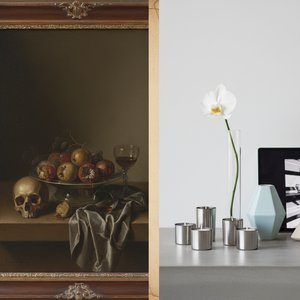
The Enduring Appeal of Still Life: A Historical & Contemporary Exploration
Explore the rich history & symbolism of still life painting with ArtsDot. Discover masterpieces from the Dutch Golden Age, learn about vanitas art, and find expert guidance for collecting timeless artworks.

Abraham Hendricksz van Beyeren: Pioneering Dutch Still Life & the Banquet Tradition
Explore the captivating world of Dutch Golden Age still life with Abraham van Beyeren. Discover his innovative techniques, symbolic banquet scenes & lasting influence on art history. Learn about collecting these masterpieces.

The Bountiful Still Life: Symbolism & Artistic Representation of Fruit Across Art History
Explore the rich history of still life painting & the symbolism of fruit across art movements. Discover masterpieces from Caravaggio to Cézanne with ArtsDot – expert guidance & museum-quality reproductions.