


 实景预览
实景预览
 发送
发送 分享
分享
 详情
详情 指南
指南

 下载图片
下载图片
 相似作品
相似作品 X射线
X射线 幻灯片播放
幻灯片播放 统计数据
统计数据Restaurant


 阅读全文
阅读全文
手工油画复制品
由我们的艺术家按需定制,为您提供您所选尺寸及画框的布面手工油画。 ( 切换至版画销售渠道 切换至数字图像销售渠道)




P118B $10

P118H $10

P118W $10

P438Z $10

P508JH $12

P508YH $12

P805H $10

P805Z $10

P919BZ $10

P919G $10

P919XJ $10

P959ZH $10

P968JZ $12

W106C $8

W218G $10

W218JH $8

W218Y $10

W307PJ $10

W316G $10

W316PJ $8

W316Y $10

W398PJ $8

W4111J $10

W500HY $15

W500JH $15

W692G $12

W849H $8

W940BG $15

W953PJ $8




您可以从与原作比例一致的预设尺寸中进行选择。

您可以输入自定义尺寸,以适配特定的画框或空间。如果所选尺寸与原图比例不符,我们将通过裁剪作品或添加手绘元素来扩展画面。数字样稿将在制作开始前发送给您确认。
请注意,屏幕预览无法准确反映实际的裁剪或扩展效果,只有样稿才能真实呈现最终的构图。
虽然我们提供定制尺寸服务,但为了保留原作比例,建议您从预设列表中选择尺寸。
下单后,ArtsDot.com 团队将通过电子邮件联系客户获取具体要求,并提供效果预览图


 玻璃选项仅适用于110厘米以下的尺寸。

Restaurant
复制品材质
复刻品尺寸说明
-


总计金额
$ 313
A Window into Edo: The Serenity of Hokusai’s Restaurant
In the vast and vibrant tapestry of Japanese Ukiyo-e, few moments capture the quiet pulse of daily life as tenderly as Katsushika Hokusai’s Restaurant. This exquisite woodblock print serves as more than a mere visual record of a rural eatery; it is a profound invitation to step back into the Edo period, a time when the boundaries between humanity and the natural world were woven with threads of deep respect and understated elegance. As one gazes upon the scene, there is an immediate sense of arrival, as if being transported to a secluded corner of old Japan where the passage of time is measured not by clocks, but by the gentle shifting of shadows beneath a venerable pine tree.
The composition is anchored by the commanding presence of a gnarled, ancient pine, its branches reaching out like protective arms over a humble village settlement. Within this sheltered nook, Hokusai masterfully depicts the rhythmic motions of everyday existence. One can almost hear the soft murmur of villagers sharing a meal and the focused industry of fishermen preparing their recent catch. The thatched roofs of the structures, rendered with meticulous care, suggest a warmth and stability that contrasts beautifully with the organic, flowing lines of the landscape. It is a scene defined by tranquility, where the simple act of dining becomes a meditative ritual performed in harmony with the earth.
Mastery of Line and the Spirit of Ukiyo-e
Technically, Restaurant is a triumph of the woodblock printing process, showcasing the sophisticated layering and precision that Hokusai perfected. The artist utilizes bold, definitive outlines to give structure to the world, yet he avoids the trap of rigidity by employing flat planes of color that create a striking, modern visual impact. Through the clever use of overlapping elements and a flattened perspective, Hokusai achieves a remarkable sense of depth. This technique does not aim for photographic realism but rather seeks to capture the essence of space, guiding the viewer’s eye from the textured bark of the central tree down into the heart of the bustling village.
The color palette is a masterclass in balance, dominated by soothing blues, earthy greens, and warm browns, punctuated by subtle reds that breathe life into the lanterns and figures. This careful selection of pigments, pressed onto fine Japanese paper, lends a tactile quality to the work; one can almost feel the roughness of the thatch and the coolness of the morning mist. For the discerning collector or interior designer, this print offers a sophisticated way to introduce a sense of calm and historical depth into a contemporary space. It is an artwork that does not shout for attention but rather rewards the contemplative eye with its layered complexities.
Symbolism and the Eternal Connection
Beyond its aesthetic beauty, the print is rich with the cultural symbolism of the Edo era. The pine tree, a central protagonist in this composition, is far more than a botanical element; in Japanese tradition, it stands as a powerful emblem of longevity, resilience, and steadfastness. By placing the human elements of the restaurant beneath its canopy, Hokusai suggests a way of life that is grounded and enduring. The figures within the print—the laborers and the diners—represent the virtues of industriousness and communal harmony, reflecting the social values of a society that found profound meaning in the seasonal cycles and the bounty of nature.
To possess a reproduction of this masterpiece is to bring a piece of this enduring philosophy into one's own home. Whether placed in a sunlit reading nook or as a focal point in a minimalist gallery-style room, Restaurant radiates an emotional tone of peace and contemplation. It serves as a constant reminder of the beauty found in simplicity and the strength found in our connection to the world around us. For those seeking art that transcends decoration to become a source of spiritual respite, Hokusai’s vision remains an unparalleled treasure.
相关艺术品


艺术家简介
葛飾北斎:浮世绘大师的波澜壮阔人生
葛飾北斎,一个与日本艺术紧密相连的名字,他的《神奈川沖浪図》(大涌之波)更是家喻户晓的标志性图像。然而,北斋远不止是一位版画家,他更是一位不断探索、勇于创新的艺术巨匠。生于江戶(今东京)约1760年,他的一生都在追寻艺术的极致,其作品风格随着时间的推移而不断演变,留下了令人惊叹的艺术遗产,至今仍深深影响着世界各地的观众。他的父亲中島 ISE,虽然并非艺术家,却似乎敏锐地察觉并鼓励了北斋这股与生俱来的艺术天赋,为他日后的艺术生涯奠定了基础。北斋早年的生活并非一帆风顺,但他凭借着对艺术的执着热情和不懈努力,最终在艺术领域取得了辉煌成就。学徒时代到创新之路:风格的绽放
北斎的正式艺术训练始于12岁,他进入了浮世绘大师勝川春松(Katsukawa Shunshō)的工作室。浮世绘是江戶時代盛行的艺术形式,描繪了當時社會生活的方方面面,包括演員、藝妓、風景以及城市文化中的精彩瞬間。在春松的指導下,北斎掌握了版画的精湛技艺,但他也並非滿足於單純地模仿老師的風格。即使在其早期作品中,也能看到一股不安分的精神,一種渴望突破界限、探索新表現方式的熱情。他嘗試不同的題材,從書籍插圖到單張畫作,不斷磨練自己的技能,形成了獨特的視覺語言。这一时期也见证了他多次改名的现象——这在日本浮世绘艺术家中是一种常见的做法,通常代表着艺术生涯的不同阶段或个人信仰的变化。富士山与浮世绘:定义杰作
北斎的艺术作品数量惊人,数千幅版画、绘画和插图都署有他的名字。虽然他探索了各种各样的题材,但以《富嶽三十六景》(1831年左右)系列中的标志性作品《神奈川沖浪図》最为人熟知。这个系列并非仅仅是对风景的描绘,更是对透视、构图和自然力量的巧妙运用。那滔天巨浪,即将吞噬微弱的小船,既展现了大海的美丽,也蕴含着令人胆寒的恐怖。除了《富嶽三十六景》,如《隅田川花火》(1790年)等作品,都展示了他捕捉日常生活中动态场景的能力,具有非凡的活力和细节。他的《北斎漫画》——一本包含人物、动物、风景和奇幻生物的素描集——在范围和影响力上具有开创性意义,预示了现代漫画艺术的发展。这些作品并非孤立的成就,而是艺术旅程中的里程碑,每一部都建立在前一部的基础之上,共同创造了一个既根植于日本传统又极具创新性的艺术体系。超越国界的遗产:北斋的持久影响
北斎的影响力远远超出了日本本土。19世纪末,随着日本对外开放,“浮世绘”画作大量涌入欧洲市场,引发了被称为“日本主义”(Japonisme)的现象。克劳德·莫奈、埃德加·德加和文森特·梵高等艺术家被北斋大胆的构图、鲜艳的色彩以及非传统的视角所吸引。《神奈川沖浪図》尤其受到推崇,甚至影响了梵高的绘画创作。北斎的影响力不仅限于印象派,它渗透到各种现代艺术运动中,塑造了艺术家们对构图、色彩和主题的处理方式。他对捕捉瞬间、运用动态线条以及在日常生活中发现美的能力,引起了一代艺术家的共鸣,他们都在寻求新的表现形式。 即使今天,北斋的作品仍然不断地激励和挑战着世界各地的艺术家,巩固了他作为艺术史上最重要的代表人物之一的地位。他一直坚持创作到1849年去世,享年八十九岁,留下了浩瀚的艺术作品,证明了他的坚定奉献精神和非凡的艺术天赋。老朽而痴绘
北斎的一生都在不断地自我革新,职业生涯中使用了超过三十个名字——每个名字都代表着他艺术发展的一个新阶段。他经常自称为“画狂老人”(Gakyō Rōjin),这个称号非常适合一位直到八十多岁仍然对自己的技艺充满热情的艺术家。这种对完美的不懈追求,加上他的创新精神和对日本传统以及更广阔世界深刻的理解,巩固了北斋作为浮世绘大师和艺术史上关键人物的地位。 他的作品至今仍吸引着观众,提醒我们艺术的力量可以超越文化界限,并将我们与更大的事物联系起来。- 主要影响:浮世绘传统、中国山水画、江戶市井生活。
- 关键特征:大胆的线条、鲜艳的色彩、动态的构图、敏锐地观察自然。

葛飾北斎 (Kāshí Běizāi)
1760 - 1849 , 日本
快速概览
- Artistic Movement Or Style: 浮世绘 (Ukiyo-e)
- Artists Or Movements Influenced By This Artist:
- 印象派
- 文森特·梵高
- 克劳德·莫奈
- Artists Who Influenced This Artist: ['中国山水画']
- Date Of Birth: 1760年10月31日
- Date Of Death: 1849年5月10日
- Full Name: 葛飾北斎
- Nationality: 日本
- Notable Artworks:
- 神奈川沖浪裏
- 富嶽三十六景
- 北斎漫画
- 東都風俗画
- Place Of Birth: 日本东京
相关文章

葛饰北斋:25幅传世名作,浮世绘大师的艺术传奇 (Katsushika Hokusai: 25 Masterpieces, The Art Legacy of the Ukiyo-e Master)
探索葛饰北斋的25幅传世名作!深入了解浮世绘大师的艺术传奇,感受《神奈川冲浪波》等经典作品背后的故事与魅力。ArtsDot.com提供博物馆级高质量复制品,为您的家居带来日本风情和艺术灵感。立即探索完整系列!
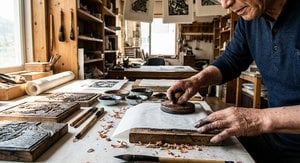
木刻版画的持久遗产:技术、历史与艺术表达 (Mùkè bǎnhuà de chíjiǔ yíchǎn: jìshù, lìshǐ yǔ yìshù biǎodá)
探索浮世绘的迷人世界:深入了解其历史、精湛技法和对西方艺术的深远影响。ArtsDot为您提供专业的艺术咨询与高品质浮世绘复制品,重现经典之美。


Japonisme: How Japanese Woodblock Prints Revolutionized Western Art
Explore the profound impact of Japonisme on Western art. Discover how Japanese ukiyo-e woodblock prints revolutionized perspective, color, and composition for masters like Monet and Van Gogh, forever changing the course of modern art history.

Floating World: The Captivating Art and Legacy of Japanese Ukiyo-e
Explore the profound beauty of Japanese Ukiyo-e. Discover the history, masters like Hokusai, and the enduring legacy of the 'Floating World' through an expert art-historical lens.


