


 实景预览
实景预览
 发送
发送 分享
分享
 详情
详情 指南
指南

 下载图片
下载图片
 相似作品
相似作品 X射线
X射线 幻灯片播放
幻灯片播放 统计数据
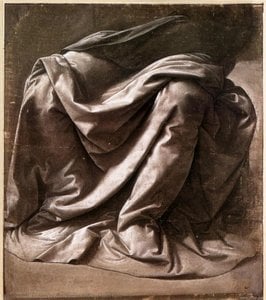
统计数据Study Sheet
 Acrylic On Canvas
- WallArt
- Expressionist Printmaking
 1931
1931 40.0 x 32.0 cm
 不来梅艺术馆
 阅读全文
阅读全文
购买高分辨率增强版数字图像,其品质远超在线预览。
每一份文件都由我们的内部专家使用先进工具与专业的后期润色技术精心打造。我们确保每一张图像都具备卓越的清晰度、精准的色彩还原度以及细腻的细节表现。
最终文件将在 72 小时内通过电子邮件交付,并针对专业、编辑及印刷用途进行了优化。其品质与顶级设计工作室、出版社和画廊所信赖的标准完全一致。
数字图像
下载高分辨率文件,用于个人展示、打印及创意项目。 ( 切换至版画销售渠道 订购此收藏品的纯手工复刻画作)
每份数字图像订单均包含的内容
专业级数字交付,品质无忧
选择 ArtsDot.com,您获得的不仅仅是一张图像——您收到的是经过专业级增强、精雕细琢的数字艺术作品,并享有满意保证。以下是您的订单中自动包含的所有内容:

即时邮件交付
您的高分辨率数字图像文件将在下单后 72 小时内通过电子邮件发送给您 —— 即可立即使用。

AI 增强型数字图像
您的艺术品经过专业优化,结合先进的 AI 技术与人工修饰,确保呈现极致的细节、清晰度与色彩准确度。

终身免费重发服务
不小心删除了文件或找不到了?没关系——我们将随时为您免费重发。

无需进口税费,始终如一
即刻拥有您的艺术作品,无需支付任何关税、税费或运费——数字下载始终免税。

色彩精准保障
我们通过专业工具与色彩管理技术,确保您的数字图像尽可能真实地还原原作色彩。

100天满意保证
如果您对所购数字图像不满意,我们将在100天内为您进行修改或提供100%的全额退款——无需任何理由。

100% 退款保证
不满意?在收到数字文件后的100天内,您可以申请全额退款——无需任何理由。

批量订购优惠
购买 3 张享 10% 折扣 - 购买 5 张享 15% 折扣 - 购买 10 张以上享 20% 折扣。非常适合创意项目、画廊及机构使用。
A Portrait of Family Bonds: Käthe Kollwitz’s “Study Sheet”
Käthe Kollwitz's "Study Sheet," created in 1931, transcends mere depiction; it embodies the profound empathy and unwavering commitment to social justice that defined her artistic legacy. This deceptively simple drawing—measuring 40 x 32 cm—offers a glimpse into Kollwitz’s meticulous process and speaks volumes about her enduring fascination with portraying human vulnerability and familial connection. Examining this artwork reveals layers of meaning, reflecting not only the artist's technical prowess but also the socio-political currents shaping early twentieth-century Germany.The Artist’s Vision: Kollwitz’s Style and Technique
Kollwitz’s artistic style is instantly recognizable as Expressionism—a movement characterized by its rejection of idealized beauty in favor of conveying raw emotion and psychological truth. Unlike Impressionists who sought to capture fleeting moments of light, Kollwitz deliberately employed bold lines and muted colors to emphasize the contours of her subjects and imbue them with palpable feeling. The drawing utilizes a charcoal pencil on paper, demonstrating Kollwitz’s mastery of tonal shading—a technique she honed throughout her prolific career. Careful attention is paid to capturing subtle nuances of expression, particularly in the faces of the figures depicted. This deliberate choice underscores Kollwitz's belief that art should serve as a conduit for confronting uncomfortable realities and fostering compassion for those marginalized by society.Historical Context: Weimar Republic Anxiety
“Study Sheet” was produced during the Weimar Republic—a period marked by economic instability, political polarization, and simmering anxieties about the rise of extremist ideologies. Kollwitz’s artistic output coincided with this turbulent era, reflecting a deep concern for the plight of working-class families grappling with poverty and hardship. The depiction of a family huddled together—two adults and two children—immediately evokes images of resilience and solidarity amidst adversity. This motif resonates powerfully within the broader context of Weimar Germany, where anxieties about social upheaval fueled artistic explorations of vulnerability and human dignity. Kollwitz herself was deeply involved in socialist activism, using her art to advocate for social reform and denounce injustice – a commitment that permeated every piece she created.Symbolism Within Simplicity: The Family Unit
The inclusion of three cats within the composition adds another layer of symbolic significance. Cats have long been associated with domestic tranquility and maternal care—representing comfort and protection within the familial sphere. Their presence subtly reinforces Kollwitz’s central theme: the importance of nurturing relationships and safeguarding vulnerable individuals against external pressures. The artist's careful rendering of each feline contributes to the overall atmosphere of warmth and companionship, highlighting Kollwitz’s ability to distill complex emotions into deceptively understated visual elements.Emotional Resonance: A Legacy of Compassion
Ultimately, “Study Sheet” succeeds in capturing a moment of profound human connection—a testament to Kollwitz's unwavering empathy for the suffering masses. The drawing compels viewers to contemplate themes of familial love, resilience, and compassion—values that remain remarkably relevant today. It serves as an enduring reminder that art can illuminate the darkest corners of experience while simultaneously affirming the inherent dignity of every human being. Kollwitz’s masterful technique and her unflinching portrayal of emotion solidify “Study Sheet” as a cornerstone of Expressionist art and a poignant reflection on the human condition.问答详情
“Study Sheet”的创作者是谁?创作于哪一年?
"Study Sheet" 是由 凯特·柯尔维茨 于 1931 年创作的。
“Study Sheet” 是什么类型的艺术品?
凯特·柯尔维茨 的《Study Sheet》 被归类为 WallArt。该类别描述了原作的艺术形式。
凯特·柯尔维茨 的《Study Sheet》 为室内空间增添了怎样的氛围?
凯特·柯尔维茨 的《Study Sheet》 营造出 Calm 的氛围,与推荐的陈设空间——Living Room 完美契合。
相关艺术品




艺术家简介
早期生活与艺术觉醒
卡特·柯尔维茨,原名凯特·施密特,于1867年7月8日出生在柯尼斯堡(今俄罗斯加里宁格勒),在一个充满知识氛围和社会责任感的家庭中成长。她的父亲卡尔·施密特是一位进步的政治人物——一位激进的社会民主党人和共济会成员,而她的祖母尤利乌斯·鲁普则在她幼年时灌输了一种强烈的宗教信仰和社会主义理想的结合。这种独特的教育背景奠定了她坚实的基础,不仅塑造了她的世界观,也构成了她艺术表达的核心。柯尔维茨从小就表现出天生的绘画天赋,她的父亲认识并培养了她日益增长的创造力。她在十二岁时开始接受当地艺术家古斯塔夫·瑙约克和鲁道夫·毛埃尔的指导,为她终身致力于视觉叙事奠定了基础。这些早期的课程不仅仅是技术练习;它们是她成为一个为边缘化群体发声的强大力量的第一步。她继续在柏林和慕尼黑学习,沉浸于19世纪末的艺术潮流之中,但始终将人的处境作为她的中心主题。苦难熔炉:艺术与社会评论
柯尔维茨与卡尔·柯尔维茨的婚姻于1891年成为一个重要的转折点,无论是在个人还是在艺术上。这对夫妇定居在柏林,在那里卡尔为城市贫困工人阶级行医。这种直接接触到苦难和痛苦深刻地影响了凯特的艺术视野。最初,她的作品侧重于描绘工人阶级的生活现实,并融入了她从家庭中吸收的社会民主原则。然而,真正将柯尔维茨推向广泛认可的是《织工周期》(1894-1898),这是一系列受格哈特·豪普特曼同名戏剧启发的版画作品。这部强大的作品生动地描绘了西里西亚的织工们在面临经济剥削时的绝望和反抗——对社会不公的严厉谴责,以毫不妥协的诚实感呈现。她没有回避描绘她所见证的残酷现实;相反,她拥抱它们作为她艺术真理的重要组成部分。《织工周期》之后,柯尔维茨开始了《农民战争周期》(1902-1908),通过16世纪德国历史的视角探索反抗和压迫的主题。这些早期的周期确立了她作为一位致力于社会现实主义的艺术家声誉,同时也暗示着即将成为她风格标志的情感强度。失去、悲伤与表现主义冲动
第一次世界大战给柯尔维茨的生活带来了难以想象的悲剧。她的儿子彼得于1914年去世,彻底粉碎了她的世界,并不可逆转地改变了她的艺术进程。悲痛成为一个中心主题,贯穿于像《怀抱女孩的死亡》这样的作品中,这是一幅令人难忘的母性哀伤图画,超越了具体的失去,体现了普遍的哀悼。这段时期也见证了她艺术风格的变化,从严格的现实主义转向更具情感冲击力的表现主义。虽然她从未完全放弃代表形式,但柯尔维茨开始简化形状并通过鲜明的对比和戏剧性的构图来增强情感影响。像《无绳老人》和《母亲之塔》这样的作品体现了这种演变——对绝望和战争灾难性后果的原始、本能的表达。她掌握版画技术——蚀刻、石版画、木刻,使她能够实现这些效果,利用留白和砂纸来创造戏剧性的纹理和色调变化。认可、韧性和持久遗产
尽管面临巨大的个人苦难,柯尔维茨继续创作挑战社会规范并为无声者发声的艺术作品。1919年,她实现了历史性里程碑,成为普鲁士艺术学院第一位当选的女艺术家——证明了她的艺术成就和日益增长的影响力。然而,这种认可是短暂的。随着纳粹主义在德国的兴起,柯尔维茨于1933年被迫辞去学院职务,她的作品被禁止为“堕落艺术”。尽管如此,她并没有气馁,晚年转向雕塑,继续探索悲伤、失去和韧性的主题,用青铜和石头表达。她在1945年二战末期在德累斯顿附近去世,对于一位毕生致力于见证人类苦难的艺术家来说,这是一个令人心碎的结局。今天,卡特·柯尔维茨被誉为表现主义的关键人物和社会正义的强大倡导者。她的艺术作品继续引起世界各地观众的共鸣,提醒我们同理心的持久力量和面对艰难真相的重要性。柏林的卡特·柯尔维茨博物馆是对她遗产的持久致敬,确保了她深刻的艺术视野将继续激励一代又一代人。影响与艺术风格
柯尔维茨的艺术发展受到几个关键因素的影响。马克斯·克林格的版画系列《一生》(Ein Leben)对她的早期作品产生了深远的影响,展示了图画周期在叙事方面的潜力。格哈特·豪普特曼的戏剧为像《织工周期》这样的作品提供了主题灵感,而她丈夫的医疗实践让她接触到柏林工人阶级面临的严酷现实。然而,柯尔维茨不仅仅是外部事件的记录者;她拥有将个人经历转化为普遍情感的非凡能力。她的风格以其原始的情感强度、简化的形式和对光影的大师运用为特征。虽然扎根于现实主义,但她的作品超越了单纯的代表,深入到人类苦难的心理深度。她不追求为了美丽而美丽;她寻求创作能够引发思考、激发同理心并最终促进一个更公正世界的艺术。她的遗产不仅仅是艺术创新,也是道德勇气。柯尔维茨仍然是艺术家作为社会良知的永恒象征。
凯特·柯尔维茨
1867 - 1945 , 俄罗斯
概览
- Artistic Movement Or Style: 表现主义
- Artists Or Movements Influenced By This Artist: ['表现主义']
- Artists Who Influenced This Artist:
- 马克斯·克林格
- 格哈特·豪普特曼
- Date Of Birth: 1867年7月8日
- Date Of Death: 1945年
- Full Name: 凯特·柯尔维茨
- Nationality: 德国
- Notable Artworks (List Of Titles):
- 织工周期
- 怀抱女儿的死亡
- 无绳老人
- 农民战争周期
- Place Of Birth (City And Country): 科尼格斯堡,俄罗斯