


 效果预览
效果预览
 购买手绘画作
 分享
分享 分享
分享
 详情
详情

 下载
下载
 相似作品
相似作品 X射线
X射线 幻灯片播放
幻灯片播放Still Life


 展开详情
展开详情




P118B $10

P118H $10

P118W $10

P438Z $10

P508JH $12

P508YH $12

P805H $10

P805Z $10

P919BZ $10

P919G $10

P919XJ $10

P959ZH $10

P968JZ $12

W106C $8

W218G $10

W218JH $8

W218Y $10

W307PJ $10

W316G $10

W316PJ $8

W316Y $10

W398PJ $8

W4111J $10

W500HY $15

W500JH $15

W692G $12

W849H $8

W940BG $15

W953PJ $8




从与原作比例一致的预设尺寸中进行选择。

您可以输入自定义尺寸,以适配特定的画框或空间。如果您选择的尺寸与原图比例不符,我们将对作品进行裁剪,或通过镜像填充/纯色填充边缘的方式来扩展图像。在开始制作之前,我们会向您发送一份数字效果图供您确认。
请注意,屏幕上的预览并不能反映实际的裁剪或扩展效果。只有效果图才能准确展示最终的构图。
虽然我们提供定制尺寸,但为了保持原图比例,我们建议您从预设列表中选择尺寸。


 玻璃选项仅适用于110厘米以下的尺寸。

Still Life
艺术微喷/版画
复制品尺寸
-


最终总价
$ 62
Juan de Arellano: A Master of Floral Still Life
Juan de Arellano (1614 – 1676) stands as a singular figure in the Baroque art landscape of Spain, celebrated primarily for his breathtaking floral still life paintings. Born in Santorcaz, near Madrid—a city that would become synonymous with his artistic legacy—Arellano’s life unfolded amidst the opulent patronage of Philip III and witnessed the burgeoning influence of Flemish and Italian artistic traditions. While biographical details remain somewhat sparse, he emerged as a student under Juan de Solís, whose landscapes offered a contrasting aesthetic to Arellano's focused dedication to botanical representation. His work embodies the spirit of the era—a fascination with observation, meticulous detail, and an attempt to capture not merely what is seen but also what is felt.- Style: Arellano’s style firmly rooted itself within the Baroque tradition, inheriting its dramatic chiaroscuro techniques and embracing a humanist sensibility that prioritized natural beauty and contemplation. However, unlike many of his contemporaries who sought grandeur and spectacle, he opted for a quieter, more intimate portrayal of nature—a deliberate choice reflecting the prevailing taste for decorative art during Philip III’s reign.
- Technique: Arellano excelled in oil painting on linen, utilizing layering and glazing methods to achieve remarkable luminosity and depth. He painstakingly rendered individual petals, stems, and leaves with astonishing accuracy, capturing subtle variations in color and texture—a testament to his mastery of observation and artistic skill. The artist’s meticulous approach ensured that each flower seemed to pulsate with life on the canvas.
The Influence of Flemish Masters
Like many artists of his era, Arellano absorbed the stylistic precepts of Flemish masters such as Daniel Seghers and Mario Nuzzi. These influences instilled in him a meticulous attention to detail and a masterful command of chiaroscuro—the dramatic interplay of light and shadow—techniques characteristic of Northern Baroque painting. Seghers’ landscapes taught Arellano how to convey atmosphere and perspective, while Nuzzi's flower paintings demonstrated the importance of capturing delicate nuances of color and form. This synthesis of artistic influences resulted in a distinctive visual language that distinguishes Arellano’s oeuvre from other Spanish painters of his time.Symbolism and Emotional Resonance
Beyond mere aesthetic beauty, Arellano's floral still lifes carried profound symbolic meaning—a hallmark of Baroque art. Flowers were frequently employed to convey concepts of mortality, remembrance, and spiritual contemplation, reflecting the anxieties of a society grappling with religious dogma and facing imminent death. The artist’s careful composition—often featuring birds perched atop vases or flowers—reinforced these themes, inviting viewers to engage in introspection and consider the ephemeral nature of existence. His paintings evoke a sense of serenity and melancholy, capturing the fleeting beauty of the natural world while simultaneously prompting reflection on human mortality.Notable Works
Among Arellano’s most celebrated pieces are “Bouquet of Flowers” (c.1660), currently housed in the Museo del Prado, Madrid—a masterful depiction of roses and lilies bathed in soft light—and “Garland of Flowers, Birds and Butterfly,” displayed at The Louvre. He also executed commissions for the sacristy of San Jerónimo el Real, showcasing his versatility as an artist. Furthermore, reproductions of his paintings can be found in museums across Europe, including Bilbao Fine Arts Museum and The Royal Academy of Fine Arts of San Fernando. Examining these artworks offers a glimpse into the artistic sensibilities of a pivotal moment in Spanish Baroque history.相似艺术品


艺术家简介
植物华彩的大师
在西班牙巴洛克的黄金时代,很少有艺术家能像胡安·德·阿雷拉诺那样,以如此精准且充满激情的方式捕捉自然界转瞬即逝的优雅。1614年,他出生于马德里繁华核心地带附近的桑托卡斯。在那个常被戏剧性的宗教狂热与沉郁的现实主义所定义的世纪里,阿雷拉诺作为一个独特的艺术力量脱颖而出。当他的同辈们大多投身于宏大的历史叙事或激烈的殉道场景时,阿雷拉诺却在花瓣与茎秆那细腻而静谧的语言中找到了自己的天职。他的生命与作品代表了西班牙审美情趣与源自佛兰德斯及意大利画派那丰盈、装饰性传统的精妙交汇,创造了一份至今仍是17世纪静物画基石的艺术遗产。
阿雷拉诺艺术造诣的根基是在胡安·德·索利斯的指导下奠定的,这位画家在风景画方面的造诣为艺术家日益增长的植物细节兴趣提供了结构性的背景。然而,真正塑造其艺术视野的是更广泛的欧洲艺术潮流。通过吸收佛兰德斯大师如丹尼尔·塞格斯那近乎科学般的严谨精准,以及意大利画家如马里奥·努齐那充满戏剧性且光影充盈的构图,阿雷拉诺发展出了一套独特的风格语言。他精通明暗对照法,利用深邃、如天鹅绒般的阴影与灿烂、明亮的高光之间深刻的交织,为他笔下的每一朵玫瑰、郁金香和百合注入了生命。
精准与务实的艺术愿景
在阿雷拉诺的职业生涯中,存在着一种迷人的二元性——艺术上的虔诚追求与精明的职业智慧并存。历史记载表明,这位艺术家曾做出过一个深思熟虑的选择,即专注于创作花卉静物画。这不仅仅是一种审美偏好,更是一个务实的决定;通过专注于这一特定题材,他能够更高效地应对蓬勃发展的艺术市场,提供备受追捧的植物研究作品,这些作品不仅利润丰厚,且相比于祭坛画所需的宏大画布,创作过程也更少体力上的负担。这种专注使他达到了无与伦比的技术高度,将每一幅画布都变成了一扇通往超写实美感的窗口。
他的构图远不止是简单的花卉排列,更是色彩与形态经过精心编排的戏剧。在他的手中,一束花簇变成了一个关于纹理与光影的复杂叙事。他拥有一种非凡的能力,能够捕捉花朵盛开巅峰时的瞬息时刻——凋零花瓣的轻微卷曲、叶片上晶莹的露珠,或是被阳光捕捉到的花瓣那半透明的质感。通过他的笔触,观者被邀请进入一个宁静沉思的境界,在这里,自然界转瞬即逝的美丽被冻结在永恒而充满活力的完美之中。
传承与艺术意义
胡安·德·阿雷拉诺的历史意义在于,他成功地将静物画从一种次要题材提升为一种深刻的艺术表现媒介。他的作品是早期巴洛克沉重、象征性的传统与随后出现的更具装饰性、充满光感的审美风格之间至关重要的纽带。通过他的绘画,我们看到了国际化风格与鲜明的西班牙优雅精神相融合,创造出了一部超越国界的艺术篇章。
时至今日,阿雷拉诺作品的影响力仍能在世界各地著名博物馆的殿堂中感受到,他那些标志性的花束依然令观众为之倾倒。他对艺术界的贡献包括:
- 技术创新:精妙地运用光影效果,创造出具有三维立体感的植物写实主义。
- 题材提升:将花卉静物转化为一种能够承载深刻情感与象征深度的尊贵题材。
- 文化融合:成功地将佛兰德斯的细腻、意大利的戏剧性与西班牙的优雅融为一体,创造出一种独特的欧洲美学。
当我们凝视他的杰作,例如那备受赞誉的花束时,我们会被提醒:真正的艺术在于能够从微小中发现无限,并在最脆弱、最转瞬即逝的事物中寻得永恒的美丽。

胡安·德·阿雷拉诺
1614 - 1676 , 西班牙
艺术家简介
- Artistic Movement Or Style: 巴洛克
- Artists Or Movements Influenced By This Artist: ['丹尼尔·塞格斯']
- Artists Who Influenced This Artist: ['胡安·德·索利斯']
- Date Of Birth: 1614
- Date Of Death: 1676
- Full Name: 胡安·德·阿雷拉诺
- Nationality: 西班牙
- Notable Artworks:
- 花卉花束
- 花环
- Place Of Birth: 西班牙,桑托卡斯
相关文章

Dutch Baroque Masters: 10 Paintings That Shaped an Era | ArtsDot
Journey through the Golden Age with our guide to the Top 10 Dutch Baroque masterpieces! Explore iconic paintings by Rembrandt, Vermeer & Frans Hals. Find museum-quality art reproductions and elevate your home decor at ArtsDot.com.

荷兰黄金时代绘画:文化创新中的现实主义反思
深入探索荷兰黄金时代绘画的文化创新与现实主义反思。本文解读伦勃朗、维米尔等大师的作品,并结合玛莉特·韦斯特曼的图像学研究,揭示艺术史背后的社会语境与现代性意识觉醒。

Abraham Hendricksz van Beyeren: Pioneering Dutch Still Life & the Banquet Tradition
Explore the captivating world of Dutch Golden Age still life with Abraham van Beyeren. Discover his innovative techniques, symbolic banquet scenes & lasting influence on art history. Learn about collecting these masterpieces.

Silent Narratives: Exploring the Enduring Appeal of Still Life Painting Across Centuries
Explore the rich history of still life painting with ArtsDot. Discover Dutch Masters, decode vanitas symbolism & learn about collecting timeless art. Expert insights and museum-quality reproductions.
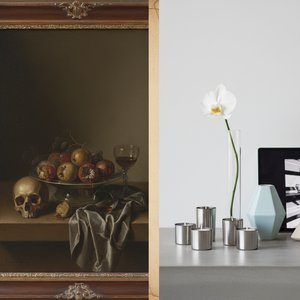
The Enduring Appeal of Still Life: A Historical & Contemporary Exploration
Explore the rich history & symbolism of still life painting with ArtsDot. Discover masterpieces from the Dutch Golden Age, learn about vanitas art, and find expert guidance for collecting timeless artworks.

