
- 首页

- 油画复制品
- józsef vágó
- Screen

 购买版画
购买版画 分享
分享 分享
分享
 详情
详情

 下载
下载
 相似作品
相似作品 X射线
X射线 幻灯片播放
幻灯片播放Screen
 Mixed Materials
- Sculpture
- Art Nouveau
 1905
1905 5.0 x 207.0 cm
 Museum of Applied Arts
 展开详情
展开详情




































从与原作比例一致的预设尺寸中进行选择。

您可以输入自定义尺寸,以适配特定的画框或空间。如果所选尺寸与原图比例不符,我们将通过裁剪作品或添加手绘元素来扩展画面。数字样稿将在制作开始前发送给您确认。
请注意,屏幕预览无法准确反映实际的裁剪或扩展效果,只有样稿才能真实呈现最终的构图。
虽然我们提供定制尺寸服务,但为了保留原作比例,建议您从预设列表中选择尺寸。
下单后,ArtsDot.com 团队将通过电子邮件联系客户获取具体要求,并提供效果预览图。


 玻璃选项仅适用于110厘米以下的尺寸。

Screen
复制材质
复制品尺寸
-


最终总价
-
作品详情
The Allure of Hungarian Art Nouveau Craftsmanship
To stand before this magnificent folding screen is to step directly into the opulent, dreamlike atmosphere of early twentieth-century Central Europe. Dating from 1905, this piece transcends mere furniture; it is a narrative in wood, glass, and mother-of-pearl. The subject matter, featuring elongated, graceful female figures adorned with flowing garments that terminate in delicate heart motifs, speaks to the period's fascination with idealized femininity and organic form. It embodies the exquisite confluence of artistic movements—a dialogue between the structured elegance of the Wiener Werkstätte and a distinct, passionate 'Hungarian taste.'
A Symphony of Materials and Techniques
The sheer technical mastery displayed here is breathtaking. The screen’s structure itself suggests its function as an elegant partition, capable of dividing space while simultaneously enhancing it with its artistry. Observe the marquetry on the two outermost panels; these inlays, crafted from a rich tapestry of various woods, gleaming metals, and iridescent mother-of-pearl, are nothing short of jewel-like. The incorporation of cut glass panes adds an ethereal quality, allowing light to interact with the carved details—the suggested birds and blooming flowers visible in the photo description—in a mesmerizing dance. This combination of hard, structural materials with delicate, organic inlay work speaks to the highest level of decorative art practice.
Echoes of Artistic Movements
The provenance hints at an intellectual milieu where artistic boundaries were fluid and exciting. The comparison drawn between this piece and the works of Charles Rennie Mackintosh suggests a shared commitment to stylized naturalism, while the mention of the Gödöllő Artist Colony roots it firmly within a specific cultural moment. József Vágó’s joint creations with his brother, László, are celebrated for their ability to marry formal European vocabulary with deeply personal national motifs. This screen is a tangible artifact of that creative tension—a perfect marriage of international modernism and localized, heartfelt artistry.
Bringing Salon Grandeur Home
For the collector or designer seeking an anchor piece imbued with history and unparalleled craftsmanship, this reproduction offers an extraordinary opportunity. Imagine its presence in a grand salon or library; it does not merely decorate—it elevates the entire space. The emotional impact of such a piece is one of nostalgic romance mixed with sophisticated modernity. It invites contemplation on beauty, artistry, and the passage of time, making any room feel instantly curated, storied, and deeply personal.
相似艺术品


艺术家简介
Fritz Lang: A Master of Woodcut and the Echoes of Japan
Born in Stuttgart, Germany, on March 15th, 1877, Fritz Lang emerged as a significant figure in late 19th and early 20th-century European art. While often overshadowed by some of his contemporaries, Lang’s dedication to the craft of woodcut, linocut, lithograph, and book illustration reveals a meticulous artist deeply influenced by Japanese aesthetics and a keen observer of the natural world. His work offers a unique window into a period of artistic experimentation and shifting cultural perspectives.
Lang's early artistic training began with an apprenticeship as a decorative painter in Stuttgart, providing him with foundational skills in composition and color. However, it was his subsequent studies at the Königlich-Württembergische Kunstschule and the Karlsruher Akademie that truly shaped his artistic trajectory. These institutions exposed him to various techniques and styles, but it was his encounter with Japanese woodblock prints – a burgeoning trend in Europe at the time – that proved transformative. The precise lines, bold compositions, and evocative depictions of nature within these prints ignited a passion for simplification and directness in Lang’s own work.
During the late 1890s and early 1900s, Lang established himself as a freelance artist, producing numerous woodcuts, linocuts, and lithographs. These works often depicted scenes of rural life, animals, and landscapes – subjects that resonated with his growing appreciation for the natural world. His early pieces demonstrate a clear influence from Japanese masters like Hiroshige and Hokusai, evident in their flattened perspectives, use of negative space, and emphasis on capturing atmospheric effects. Notably, his work was acquired by prestigious institutions such as the British Museum, the Königliche Kupferstichkabinett of Stuttgart, and the Hofbibliothek in Vienna, solidifying his reputation within the art world.
The Impact of World War I and a Shift in Focus
The outbreak of World War I dramatically altered Lang’s artistic life. Conscription forced him to interrupt his creative pursuits and serve with the armed forces. The post-war period proved challenging, marked by economic hardship and political instability in Germany. Consequently, his output during this time was limited, a stark contrast to the prolificacy of his earlier years.
However, amidst these difficulties, Lang found renewed inspiration in 1928 when he embarked on a journey to German East Africa (present-day Tanzania). This experience profoundly impacted his artistic vision. The vibrant colors, exotic flora and fauna, and rich cultural traditions of the region fueled a new series of woodcuts and paintings that celebrated the diversity and beauty of African landscapes and wildlife. These works represent a significant departure from his earlier, more restrained style, embracing bolder color palettes and dynamic compositions.
Technique and Style: A Synthesis of Tradition and Innovation
Lang’s artistic technique was characterized by a remarkable command of woodcut and linocut processes. He meticulously prepared his blocks, carefully considering the grain and texture of the materials to achieve desired effects. His prints are distinguished by their sharp lines, precise details, and skillful use of shading – techniques honed through years of practice and informed by his study of Japanese masters.
Despite drawing inspiration from Japanese art, Lang’s work never became a mere imitation. He skillfully adapted these influences to create a distinctly personal style. His compositions often feature simplified forms, strong diagonals, and a sense of movement – elements that contribute to the dynamic energy of his prints. Furthermore, he demonstrated an exceptional ability to capture the essence of his subjects, conveying not just their appearance but also their spirit and character.
Legacy and Historical Significance
Fritz Lang’s artistic career spanned several decades, during which he established himself as a respected master of woodcut and linocut. While he may not be as widely recognized as some of his contemporaries, his work holds significant historical value. His prints offer valuable insights into the evolving relationship between European and Japanese art in the late 19th and early 20th centuries.
Moreover, Lang’s exploration of African themes – particularly during his travels to German East Africa – represents an important contribution to the representation of non-Western cultures within Western art. His depictions of African landscapes and wildlife were both aesthetically compelling and culturally sensitive, challenging conventional European perspectives on the continent. Fritz Lang died in Stuttgart on October 26th, 1961, leaving behind a substantial body of work that continues to be appreciated for its technical skill, artistic vision, and historical significance.

józsef vágó
1877 - 1947 , Romania
艺术家简介
- Artistic Movement Or Style: Woodcuts, Linocuts, Lithographs
- Artists Or Movements Influenced By This Artist:
- German Artists
- Austrian Artists
- Artists Who Influenced This Artist: ['Japanese Woodcut Masters']
- Date Of Birth: 15 March 1877
- Date Of Death: 26 October 1961
- Full Name: Fritz Lang
- Nationality: German
- Notable Artworks:
- Athlete Wrestling
- Pool of Bethesda
- African Studies
- Place Of Birth: Stuttgart, Germany
相关文章

纽约大都会艺术博物馆25幅必赏杰作:艺术、历史与家居灵感
探索纽约大都会艺术博物馆25幅传世杰作!从梵高、莫奈到达芬奇,深入了解艺术大师的故事与创作灵感。精美油画复制品,为您的家居带来艺术气息。立即在ArtsDot.com发现更多经典作品。

艺术新潮的十个杰作:定义时代的华丽与创新
探索艺术新潮的十个杰作!高更、慕夏、克里姆特等大师作品,揭秘其背后的故事与精湛技艺。从优雅曲线到绚丽色彩,感受现代艺术的魅力。ArtsDot.com为您提供博物馆品质的艺术品复制和家居装饰灵感。在线探索完整系列!
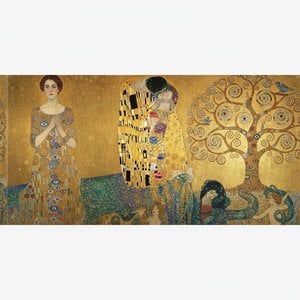
古斯塔夫·克林姆:25幅大师级杰作,点亮您的艺术生活 | ArtsDot
探索古斯塔夫·克林姆25幅传世名画,领略维也纳分离派的金色辉煌!深入了解每一件艺术品的创作故事与象征意义。ArtsDot.com提供博物馆级高质量复制品,为您的家居带来艺术灵感。立即在线探索完整系列!

马蒂斯大师25幅杰作:色彩与光影的艺术传奇 | ArtsDot
探索亨利·马蒂斯25幅杰作,感受野兽派色彩的魅力!从《舞蹈》到《红色和谐》,揭秘大师背后的故事与艺术灵感。ArtsDot.com提供博物馆级高质量油画复制品,为您的家居增添奢华艺术气息。立即在线探索完整系列!
美国国家艺术馆精选:25幅大师级杰作,点亮您的艺术生活 | ArtsDot
探索美国国家艺术馆的25幅大师级杰作!深入了解塞尚、马蒂斯等艺术家的故事,感受印象派与现代艺术的魅力。ArtsDot.com提供高品质油画复制品,点亮您的家居空间。立即在线探索完整系列!

