

 实景预览
实景预览
 分享
分享 分享
分享
 详情
详情 指南
指南

 下载作品
下载作品
 相似作品
相似作品 X射线
X射线 幻灯片播放
幻灯片播放 问答
问答 统计数据
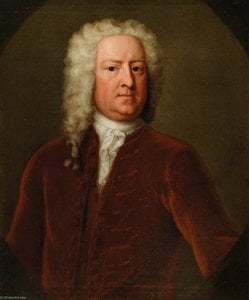
统计数据William Pitt

- 140.0 x 117.0cm


 展开全文
展开全文
艺术微喷/版画
博物馆级艺术微喷或帆布版画,制作高效,并提供多种饰面选择。 ( 订购纯手工绘制画作 切换至数字图像销售渠道)




P118B ¥10

P118H ¥10

P118W ¥10

P438Z ¥10

P508JH ¥12

P508YH ¥12

P805H ¥10

P805Z ¥10

P919BZ ¥10

P919G ¥10

P919XJ ¥10

P959ZH ¥10

P968JZ ¥12

W106C ¥8

W218G ¥10

W218JH ¥8

W218Y ¥10

W307PJ ¥10

W316G ¥10

W316PJ ¥8

W316Y ¥10

W398PJ ¥8

W4111J ¥10

W500HY ¥15

W500JH ¥15

W692G ¥12

W849H ¥8

W940BG ¥15

W953PJ ¥8




您可以从与原作比例一致的预设尺寸中进行选择。

请输入您所需的宽度和高度,以适配您的画框或墙面。由于印刷品只能进行裁剪,无法超出原图尺寸,因此若比例不一致,画面的一部分将会被裁切。在正式印刷之前,我们会为您发送一份数字效果图供您确认。本页面显示的图片并非最终裁剪后的效果——只有效果图才能展示真实的裁剪情况。


 玻璃选项仅适用于110厘米以下的尺寸。

William Pitt
艺术微喷/版画
复刻品尺寸
-


最终结算价
¥ 422
Identification of the Portrait of William Pitt
The gaze of William Pitt meets the viewer through this oil on canvas, a work emerging from the studio of John Hoppner. The portrait captures the statesman in a moment of heavy stillness, rendered with a sense of gravity that lingers on the surface. It is a work from circa 1805 or after, a period when the subject's presence in British politics was deeply felt. The scale of the image, measuring 55 1/2 in. x 42 1/2 in. (1410 mm x 1080 mm), gives the figure a physical weight that commands the space around it.
John Hoppner’s studio provides the hand behind this depiction, translating the likeness of the man into a study of light and shadow. The paint sits upon the canvas, building a presence that feels immediate and substantial. Every brushstroke contributes to the quiet intensity of the sitter, holding him in a permanent state of contemplation. The work exists as a direct encounter with a man who shaped the direction of a nation, frozen here in the medium of oil.
The Composition and Visual Elements
The subject emerges from a dark, indistinct background, positioned in a bust-length portrait that feels immediate and heavy with presence. He sits slightly off-center, his gaze directed toward the viewer's left, creating a sense of quiet, internal movement. Light descends from the upper left, carving out the contours of his face and neck with a soft, directional glow. This interplay of light and shadow grants the figure a palpable three-dimensional volume, pulling him forward from the atmospheric gloom behind him.
The color palette remains somber and grounded, relying on a restrained selection of earthy, muted tones. Browns, ochre, and cream dominate the scene, while subtle flesh tones define the skin. There is a tactile quality to the surface, where the texture of the canvas peeks through the layers of paint. The brushwork appears smooth and blended, particularly in the soft transitions of the background and the heavy folds of the clothing, yet it maintains enough definition to trace the sharp structure of the facial features and the weight of the coat.
The History and Provenance of the Work
The origins of this portrait trace back to a private commission by Lord Mulgrave, who sought to capture the likeness of the statesman. The artist began the work in December 1804, and the final brushstrokes were applied on the 28th of October, 1805. This specific version, identified as NPG L267, exists as a studio copy of the original portrait. While the primary work was intended for the Mulgrave family, the demand for the image grew rapidly among the subject's supporters, leading to many bespoke copies being produced by the artist's studio.
The movement of this painting through various collections reflects its enduring presence in British history. It currently resides within the collection of the Tate, though it is frequently seen on loan to the National Portrait Gallery in London. This arrangement allows the work to remain accessible to those tracing the political landscape of the era. The provenance of the piece is deeply intertwined with the social circles of the time, as the portrait's popularity ensured that many versions circulated among the elite of the Regency period.
Documented Interpretations and Historical Debates
The portrait stirs a profound tension between those who see its technical brilliance and those who recoil from its unflinching honesty. To some observers, the work represents the artist's finest achievement, a peak of his creative ability. Yet, this praise is met with sharp, visceral condemnation from those who knew the man behind the statesman. One contemporary observer famously dismissed the image as a vile picture, finding the depiction far too harsh to be a true likeness.
The debate centers on the psychological weight carried in the subject's expression. Critics have argued that the face appears anxious and diseased, as if reddened by wine and soured by the heavy burden of disappointment. There is a sense that the portrait captures a man at his breaking point, a version of the statesman that many found difficult to accept. This perceived severity led some to suggest that the likeness was almost too unflattering, questioning if such a grim portrayal should ever have been intended for a man of his standing.
While some find the work's power in its ability to strip away the veneer of political dignity, others see it as a departure from the idealized grace expected in high-society portraiture. The tension remains: is this a profound study of a man weathered by his duties, or a failure to capture the youthful spirit of a leader? The brushstrokes hold both the weight of a statesman's exhaustion and the controversy of a likeness that refuses to look away from the toll of power.
Where to See the Work Today
The portrait resides within the National Portrait Gallery in London, United Kingdom. Visitors find the subject waiting for them on the third floor, specifically positioned in Room 18. It exists as a vital part of the National Portrait Gallery collection, though its presence in the gallery is a temporary arrangement. The work is currently on loan from the Tate Gallery, which maintains its primary stewardship.
Walking through the halls of the museum, one encounters this depiction of the statesman in a space dedicated to the faces that shaped a nation. The lighting in the gallery room catches the subtle textures of the oil on canvas, allowing the viewer to observe the heavy shadows and the serious expression of the sitter. It remains a central fixture for those tracing the political history of the United Kingdom through its visual records.
Related Works by John Hoppner
The artist's hand moves through other lives and faces, capturing the essence of the Georgian era with a similar command of light. In one notable work, he presents Mrs. Jordan as Viola in 'Twelfth Night', a piece that highlights his celebrated ability to render women and children. This portrait reveals a specific skill that defined his career, much like the way he handles the textures and shadows in his other commissions. He moves between the heavy gravity of statesmen and the softer, more spirited depictions of his female sitters, always maintaining a sense of physical presence.
His reach extends into the highest circles of British society, where he finds himself painting the very figures who shape the nation. He captures the likeness of the Prince of Wales, a man whose patronage helped secure Hoppner's position among the elite. This ability to navigate the social landscape is evident in his portraits of influential men like Lord Hugh Seymour. Each sitter emerges from the dim, atmospheric backgrounds with a distinct vitality, whether they are members of the royal court or prominent figures of the military and aristocracy.
The artist's brush also finds its way to the faces of those who leave their own marks on history, such as in his portrait of Thomas Williams. Through these various subjects, a pattern of character emerges. He uses chiaroscuro to sculpt forms, pulling his subjects forward from the shadows to create a sense of depth. Whether he is working on a formal bust-length portrait or a more expansive composition, his touch remains loose and free, avoiding a rigid or overly precious finish in favor of a living, breathing likeness.
常见问题与解答
约翰·霍普纳 的《William Pitt》 的版权情况是如何界定的?
约翰·霍普纳 的《William Pitt》 已进入 属于公有领域 —— 其版权已过期。版权保护期自艺术家逝世之日起计算,该艺术家于 1810 年逝世。
约翰·霍普纳 的《William Pitt》 这件作品的色调是明亮的还是深沉的?
就视觉亮度而言,约翰·霍普纳 的《William Pitt》 呈现出 shadow 的效果。
约翰·霍普纳 的《William Pitt》 的观众来自哪里?
约翰·霍普纳 的《William Pitt》 的 访问统计 页面展示了公开访问统计数据:包括该作品的每月访问量、与艺术家最受关注作品的对比,以及访客的来源地。
相似作品




艺术家简介
早年生活、家庭与艺术启蒙
1758年,约翰·霍普纳出生于伦敦白教堂的一个德国裔家庭。他的母亲曾是皇室宫廷中的一名德国侍从,这份特殊的身份让这个家庭从诞生之初便与皇室宫廷有着紧密的联系。这种早期的生活环境潜移默化地塑造了他的生命轨迹,尽管他最初的艺术之路并非通往视觉艺术,而是通往音乐。在少年时代,他曾担任皇家礼拜堂的唱诗班成员,这份工作虽然磨练了他的自律,但终究无法抵挡他内心对绘画艺术那份强烈的向往。
1775年,随着进入皇家艺术学院深造,约翰·霍普纳正式踏入了艺术殿堂。他凭借过人的天赋,迅速通过学院的认可证明了自己的技术实力。1778年,他凭借写生能力获得了银奖,这不仅是对他敏锐观察力的实践验证,更是他艺术生涯的奠基石。到了1782年,他凭借关于《李尔王》的历史画作,一举夺得学院的金奖。这些早期的辉煌成就,为他日后成为定义其职业生涯的高级社交圈肖像画家,奠定了坚实的技术基础。
名声鹊起与传世杰作
通过捕捉那个时代最具影响力人物的神韵,约翰·霍普纳成功跻身于英国上流社会的顶层。他游刃有余地处理各种社交名流的委任,这使得他的肖像画——包括威尔士亲王、约克公爵与公爵夫人、罗德尼勋爵以及纳尔逊勋爵的作品——得以悬挂在圣詹姆斯宫的国事厅内。这些作品不仅仅是装饰,更是他职业地位的象征。虽然早期的历史画为他赢得了赞誉,但评论家们始终认为,他笔下的女性与儿童肖像才是其艺术成就的巅峰之作。
他在刻画人物性格方面的造诣,在《饰演〈第十二夜〉中维奥拉的乔丹夫人》一作中体现得最为淋漓尽致,这件杰作现由位于英国伦敦的 英国遗产委员会 所收藏。这幅作品完美展示了定义其艺术生涯的精湛技艺。除了在画布上的挥洒,约翰·霍普纳还积极参与当时的文学文化活动。1803年,他出版了《淑女肖像系列》,到了1805年,他又推出了一部将东方故事翻译成英文诗歌的著作。这些跨界的尝试表明,这位艺术家的影响力早已渗透进那个时代的知识与社会肌理之中。
技法与风格
约翰·霍普纳的艺术灵魂与其对色彩的驾驭能力密不可分。他被广泛誉为一位卓越的色彩大师,能够以精妙的颜料控制力来勾勒人物的轮廓与神韵。他的笔触从不显得拘谨或刻意追求精细,反而呈现出一种开阔而自由的质感。这种灵动的笔法使他能够超越单纯的模仿,赋予肖像画一种独特的生命力,从而使他的作品在那个时代较为刻板的学院派传统中脱颖而出。
在创作手法上,约书亚·雷诺兹的影子在约翰·霍普纳的作品中清晰可见。他深受雷诺兹的影响,其创作方式在神韵上与这位艺术大师遥相呼应。这种影响在画作中表现得尤为明显,尤其是那种隐约透出的雷诺兹式的迷人魅力,体现在对光影的细腻处理,以及笼罩在模特周身那层柔和、富有绘画感的氛围之中。他并非机械地复制风格,而是巧妙地转化了其艺术原则,以满足自己独特的表现需求。
在实际创作中,这种融合造就了一种兼具自然主义与贵族优雅感的独特风格。他擅长运用明暗对照法来塑造形体,通过光与影的戏剧性交织,将人物从幽暗的背景中引向观众的视线。这种技法在处理质感方面表现得尤为出色,无论是发丝的纤毫毕现,还是学术长袍那厚重的褶皱,都显得栩栩如生。他驾驭这些元素的能力,确保了他的肖像画拥有一种强烈的存在感,即便在今日看来,依然能带给观众直观的视觉冲击力。
圈子、对手与追随者
约翰·霍普纳的职业生涯在与托马斯·劳伦斯(Thomas Lawrence)的激烈竞争中显得尤为鲜明。这种竞争不仅仅是名望之争,更是为了争夺伦敦精英阶层关注度的直接角逐。这两位艺术大师之间的紧张关系在1803年至1809年间表现得尤为具体,当时他们竟然共用同一位助手 Samuel Lane。这种人员上的重叠,深刻揭示了那个时代肖像画市场极其狭窄且竞争残酷的现状。
他的专业社交网络广泛延伸,并与英国艺术的最高殿堂产生了重要的交集。大约在1788年,他曾参与 Thomas Gainsborough 的作品创作,具体为塔尔博特伯爵夫人夏洛特(Charlotte, Countess Talbot)肖像画的背景绘制。此外,他还与雕刻家查尔斯·威尔金(Charles Wilkin)紧密合作,以制作他的系列肖像画。这些合作伙伴关系表明,他的艺术产出在很大程度上依赖于一套成熟的技术专家体系,从而使他的作品能够触及更广泛的受众。
今日何处寻觅其艺术踪迹
约翰·霍普纳的作品在国际各大博物馆中的现身,印证了其艺术影响力早已跨越了不列颠群岛的边界。在遥远的美国,纽约的大都会艺术博物馆珍藏着他的两件杰作,而辛辛那提的泰夫特艺术博物馆则保留着另外两幅佳作。通过这些珍贵的艺术遗存,观众可以直观地领略他在描绘那个时代上流社会肖像时,对色彩与形态所展现出的卓越驾驭能力。
而在英国本土,他的艺术遗产则散落在数个关键的文化殿堂之中。伦敦的英国遗产委员会(English Heritage)悉心保存着一件具有里程碑意义的作品,即《饰演〈第十二夜〉中维奥拉的乔丹夫人》,这件作品无疑是他精湛肖像技艺的绝佳写照。与此同时,伦敦的国家航海博物馆也收藏有他的画作,使他的艺术气息在英国的海军与社会历史长河中得以延续。此外,位于阿伯里斯特威斯的威尔士国家图书馆的馆藏中,亦有一件他的传世之作。

约翰·霍普纳
1758 - 1810 , 英国
艺术家简介
- Artists Who Influenced This Artist: ['约书亚·雷诺兹']
- Date Of Birth: 1758年
- Date Of Death: 1810年
- Full Name: 约翰·霍普纳
- Nationality: 英国
- Notable Artworks:
- 《饰演〈第十二夜〉中维奥拉的乔丹夫人》
- 库恩利夫夫人
- 艾格尼丝·库斯梅克
- 霍普纳的孩子们
- 约翰·威尔斯
- Place Of Birth: 英国,白教堂