


 实景预览
实景预览
 发送
发送 分享
分享
 详情
详情 指南
指南

 下载图片
下载图片
 相似作品
相似作品 X射线
X射线 幻灯片播放
幻灯片播放 统计数据
统计数据PAYSAGE


 阅读全文
阅读全文
艺术微喷/版画
博物馆级艺术微喷或帆布版画,制作高效,并提供多种饰面选择。 ( 订购此收藏品的纯手工复刻画作 切换至数字图像销售渠道)




P118B ¥10

P118H ¥10

P118W ¥10

P438Z ¥10

P508JH ¥12

P508YH ¥12

P805H ¥10

P805Z ¥10

P919BZ ¥10

P919G ¥10

P919XJ ¥10

P959ZH ¥10

P968JZ ¥12

W106C ¥8

W218G ¥10

W218JH ¥8

W218Y ¥10

W307PJ ¥10

W316G ¥10

W316PJ ¥8

W316Y ¥10

W398PJ ¥8

W4111J ¥10

W500HY ¥15

W500JH ¥15

W692G ¥12

W849H ¥8

W940BG ¥15

W953PJ ¥8




您可以从与原作比例一致的预设尺寸中进行选择。

请输入您所需的宽度和高度,以适配您的画框或墙面。由于印刷品只能进行裁剪,无法超出原图尺寸,因此若比例不一致,画面的一部分将会被裁切。在正式印刷之前,我们会为您发送一份数字效果图供您确认。本页面显示的图片并非最终裁剪后的效果——只有效果图才能展示真实的裁剪情况。


 玻璃选项仅适用于110厘米以下的尺寸。

PAYSAGE
艺术微喷/版画
复刻品尺寸说明
-


总计金额
¥ 417
A Quiet Reflection on Dutch Landscapes: Exploring Johan Barthold Jongkind’s “PAYSAGE”
Johan Barthold Jongkind, a figure often overshadowed by his Impressionist contemporaries like Monet and Renoir, nevertheless stands as a crucial precursor to the movement's aesthetic revolution. Born in 1819 amidst the serene beauty of Overijssel province—a landscape that would indelibly shape his artistic vision—Jongkind’s life was characterized by both considerable talent and personal hardship. His early training under Andreas Schelfhout instilled within him a disciplined approach to observation, grounding him firmly in the Dutch tradition of landscape painting while simultaneously nurturing an ambition for innovation. This formative period established a foundation upon which he would build his distinctive style: one deeply attuned to capturing the ephemeral qualities of light and atmosphere.- Subject Matter: Jongkind’s “PAYSAGE” presents a deceptively simple scene—a canal or river bordered by buildings and trees—yet it embodies profound artistic intent. Rather than striving for photographic realism, he sought to convey the emotional resonance of a particular moment in time, reflecting on the beauty of everyday life and the subtle interplay between man-made structures and natural elements.
- Style: The artwork firmly resides within the burgeoning Impressionist movement, prioritizing subjective perception over objective representation. Jongkind eschewed meticulous detail, opting instead for loose brushstrokes and a palette dominated by muted earth tones—greens, browns, and grays—to evoke a sense of tranquility and contemplation.
Technique and Material Considerations
The artist’s masterful technique is evident in the textured surface of the canvas and the deliberate application of paint. Jongkind employed oil paints on canvas, a standard practice during his era, utilizing a technique that prioritized capturing fleeting atmospheric conditions. The visible brushstrokes contribute to an overall impressionistic aesthetic, conveying movement and luminosity—a hallmark of Impressionist painting. Lines are skillfully blended with color, creating soft edges and enhancing the illusion of depth without resorting to traditional perspective cues. This approach reflects Jongkind’s commitment to portraying light as it transforms throughout the day, mirroring the artist's own fascination with capturing transient beauty.- Color Palette: The subdued hues—primarily greens, browns, and grays—are carefully chosen to create a harmonious mood and emphasize the atmospheric perspective.
- Brushwork: Loose brushstrokes are prominent throughout the composition, conveying movement and texture while prioritizing color relationships over precise delineation.
Historical Context and Symbolic Resonance
Painted circa 1870s, “PAYSAGE” emerged during a period of significant artistic experimentation in Europe. Jongkind’s work aligns with the broader Impressionist preoccupation with capturing immediate sensory experience—the sights, sounds, and smells of the natural world—as opposed to idealized representations or historical narratives. The canal scene itself carries subtle symbolic weight, representing both the connection between humanity and nature and the passage of time. It speaks to a nostalgic yearning for simpler pleasures and an appreciation for the beauty found in commonplace landscapes.Emotional Impact
Ultimately, Jongkind’s “PAYSAGE” succeeds in transporting the viewer to a moment of serene contemplation. The diffused light and muted colors foster a feeling of quiet observation—inviting us to pause and appreciate the subtle grandeur of the Dutch countryside. It serves as an enduring testament to Jongkind's ability to distill complex emotions into a deceptively understated visual statement, cementing his place as a pivotal figure in the history of Impressionism.问答详情
约翰·巴特霍尔德·容金德 的《PAYSAGE》 属于哪个历史时期?
“PAYSAGE”属于19th Century时期。
约翰·巴特霍尔德·容金德 的《PAYSAGE》 的主导色调是什么?
Green to Violet Spectrum 色调贯穿了 约翰·巴特霍尔德·容金德 的《PAYSAGE》。
约翰·巴特霍尔德·容金德 的《PAYSAGE》 是什么类型的艺术品?
“PAYSAGE”是一件WallArt作品。
相关艺术品


艺术家简介
光之先驱:约翰·巴特霍尔德·容金德的生命与艺术
约翰·巴特霍尔德·容金德(Johan Barthold Jongkind),这个名字或许不像莫奈或雷诺瓦那样家喻户晓,但在印象派的发展史中,他却占据着举足轻重的地位。1819年6月3日,他出生于荷兰拉特罗普的一个小镇,他的艺术旅程交织着非凡的天赋与个人的挣扎。早年的生活在奥弗艾塞尔省宁静的风景中展开,这片土地深刻地塑造了他终生对水、光影与大气氛围的痴迷。尽管最初从事文书工作,但他内在的艺术倾向促使他在1837年前往海牙,师从深受荷兰传统影响的著名风景画家安德烈亚斯·谢尔夫霍特(Andreas Schelf远)。这段基础训练至关重要,它赋予了容金德对自然细致入微的观察力以及精湛的技法,而这些技法在日后又被注入了鲜明的现代感。那是一个学习基本功的时期,也是雄心勃勃的萌芽期,驱使着他前往巴黎那充满活力的心脏地带去寻求更深层次的艺术发展。巴黎邂逅与艺术蜕变
1846年移居巴黎成为了他生命的转折点。容金德进入了尤金·伊萨贝(Eugène Isabey)和弗朗索瓦-爱德华·皮科(François-Édouard Picot)的工作室,全身心地沉浸在法国艺术界之中。他迅速崭露头角,早在1848年便在沙龙展出作品,并赢得了查尔斯·波德莱尔和埃米尔·左拉等影响力巨大的评论家的赞誉。那是一段充满希望的岁月,却也笼罩着日益加剧的内心动荡。容金德曾与抑郁和酗酒作斗争,这些挑战时而中断了他的职业生涯与个人生活。尽管身处困顿,他依然保持着高产的创作,专注于描绘塞纳河的景象、巴黎喧嚣的街道以及周边乡村那微妙的大气变化。这一时期的作品展现了荷兰写实主义与新兴法国浪漫主义的独特融合,其特点是充满力量感的笔触和对光影效果敏锐的捕捉。他不仅仅是在描绘风景,更是在捕捉它们转瞬即逝的情绪与那稍纵即逝的美感。这种传达氛围的能力成为了他的标志性风格,并对他后来的艺术家们产生了深远影响。莫奈的导师:印象派的种子
容金德在1855年回到荷兰只是暂时的。他最终于1861年重新定居巴黎,在那里,他的艺术轨迹与年轻的克劳德·莫奈交汇。这次邂逅对两位艺术家而言都具有深远的意义。容金德成为了莫奈的导师,向他传授了“外光派”(plein air)绘画的知识——即直接在户外面对自然进行创作——并鼓励他采用更加自发且富有表现力的方法。莫奈本人便将自己视觉上的“决定性教育”归功于容金庭,他在这位年长艺术家的作品中看到了某种自由与敏感,这种特质与他自身的艺术抱负产生了深刻的共鸣。容金德的影响力在莫奈早期的风景画中清晰可见,尤其是那些描绘塞纳河沿岸的作品,其对光线、大气和瞬时印象的强调与容金德惊人地相似。他不仅是在传授技法,更是在传递一种观察的哲学,一种捕捉时间瞬间本质的方法。传承与持久的影响
尽管容金德从未像他的同时代人那样获得广泛的声名,但他对印象派发展的贡献是无可辩驳的。他的画作通常以松散的笔触、戏剧性的天空和富有感染力的色彩为特征,为风景画的新路径铺平了道路。他证明了捕捉光影与大气的感官体验,与准确表现物理现实同样重要。他的作品现存于阿姆斯特丹的梵高博物馆和巴黎的奥赛博物馆等著名机构中,这些都是其持久艺术价值的明证。- 代表作品:《运河月色》、大量关于巴黎圣母院附近塞纳河的绘画。
- 影响力:克劳德·莫奈的关键影响者,印象派的先驱。
- 晚年生活:容金德于1891年2月9日在法国圣埃格雷逝世,留下了至今仍在激励着艺术家与艺术爱好者的宝贵遗产。

约翰·巴特霍尔德·容金德
1819 - 1891 , 荷兰
快速概览
- Artistic Movement Or Style: 印象派先驱
- Artists Or Movements Influenced By This Artist:
- 克劳德·莫奈
- 印象派
- Artists Who Influenced This Artist:
- 欧仁·伊萨贝
- 安德烈亚斯·谢尔夫豪特
- Date Of Birth: 1819年6月3日
- Date Of 死亡: 1891年2月9日
- Full Name: 约翰·巴托德·容金德
- Nationality: 荷兰
- Notable Artworks:
- 运河上的月光
- 塞纳河风景
- Place Of Birth: 荷兰,拉特罗普
相关文章

Earthly Elegance: 10 Iconic Masterpieces Defined by Khaki Tones
Immerse yourself in the timeless beauty of earth tones. Explore 10 iconic paintings defined by khaki and neutral palettes, from Impressionist classics to modern masterpieces. Find inspiration for your decor with museum-quality art reproductions. Discover all masterpieces on ArtsDot.com.

Sandstone & Sunlight: 10 Masterpieces of Earth-Toned Art |
Journey through 10 iconic paintings bathed in 'sand' tones – from Van Gogh to Monet. Explore the stories, techniques & warm palettes of these timeless masterpieces. Find museum-quality art reproductions at and bring classic beauty home.
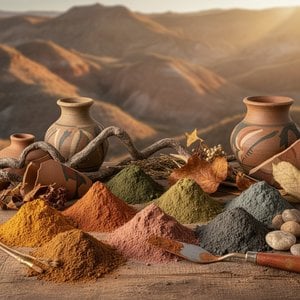
Earthen Hues: Exploring the Psychological & Artistic Significance of Earth Tones
Explore the captivating world of earth tones! Discover their historical significance, psychological impact & artistic techniques. Find inspiration for your home decor and museum-quality reproductions at ArtsDot.

Earthy Hues & Masterpieces: Top 10 Paintings with 'Mushroom' Tones |
Explore 10 iconic paintings with captivating 'mushroom' tones! Discover Van Gogh, Monet & Rembrandt’s masterpieces—earthy palettes, rich history & artistic techniques. Find museum-quality art reproductions and curated decor ideas at

The Resonance of Earthly Tones: Exploring Nuance, History & Emotional Impact in Art
Explore the captivating world of earth tones in art! Discover historical context, emotional resonance & artistic techniques behind these timeless colors. Find inspiration for your home decor and museum-quality reproductions.