


 效果预览
效果预览
 购买手绘画作
 分享
分享 分享
分享
 详情
详情

 下载
下载
 相似作品
相似作品 X射线
X射线 幻灯片播放
幻灯片播放Circus Horse


 展开详情
展开详情




P118B $10

P118H $10

P118W $10

P438Z $10

P508JH $12

P508YH $12

P805H $10

P805Z $10

P919BZ $10

P919G $10

P919XJ $10

P959ZH $10

P968JZ $12

W106C $8

W218G $10

W218JH $8

W218Y $10

W307PJ $10

W316G $10

W316PJ $8

W316Y $10

W398PJ $8

W4111J $10

W500HY $15

W500JH $15

W692G $12

W849H $8

W940BG $15

W953PJ $8




从与原作比例一致的预设尺寸中进行选择。

您可以输入自定义尺寸,以适配特定的画框或空间。如果您选择的尺寸与原图比例不符,我们将对作品进行裁剪,或通过镜像填充/纯色填充边缘的方式来扩展图像。在开始制作之前,我们会向您发送一份数字效果图供您确认。
请注意,屏幕上的预览并不能反映实际的裁剪或扩展效果。只有效果图才能准确展示最终的构图。
虽然我们提供定制尺寸,但为了保持原图比例,我们建议您从预设列表中选择尺寸。


 玻璃选项仅适用于110厘米以下的尺寸。

Circus Horse
艺术微喷/版画
复制品尺寸
-


最终总价
$ 62
藏品详情
Joan Miró's "Circus Horse": A Dreamlike Exploration of Form and Color
Joan Miró’s “Circus Horse,” painted in 1927, is a captivating example of his signature dreamlike style, belonging to a suite of approximately seventy works created during that year. This oil painting transports viewers into a whimsical world where familiar forms are abstracted and reimagined, reflecting the influence of both Surrealism and Paul Klee’s narrative geometry. The artwork offers a glimpse into Miró's artistic exploration of the subconscious and his unique approach to composition.
Subject and Composition: A Whimsical Circus Scene
The painting depicts a vibrant circus scene, though far from a realistic portrayal. A bright blue ground serves as the arena, providing a striking backdrop for the central elements. The focal point is a stylized horse, seemingly in motion, rendered with simplified forms and bold colors. Above it, elongated shapes resembling wings or limbs extend upwards, creating a sense of dynamism and flight. A central figure, potentially representing a ringmaster, is suggested by a yellow whip that crisscrosses the canvas in an energetic, meandering line. The composition, while seemingly chaotic at first glance, possesses a remarkable balance, with overlapping elements contributing to a feeling of depth and visual interest. The strong vertical emphasis created by the upward thrust of the wing-like shapes adds to the painting's overall energy.
Style and Technique: Surrealism Meets Narrative Geometry
“Circus Horse” exemplifies Miró’s unique blend of Surrealist aesthetics and Klee-inspired geometric principles. The work is characterized by its abstraction, simplification of forms, and use of symbolic imagery. Miró's technique involves a smooth application of oil paint, likely achieved through brushwork or glazing techniques, resulting in a polished surface. The color palette is dominated by cool tones—deep blues and grays—which contrast with the lighter gray hues of the secondary shapes and the vibrant yellow of the whip. This interplay of colors enhances the painting's visual impact and contributes to its dreamlike quality. As critics noted in 1928, Miró seemed to operate "in the world of magic," a testament to his ability to evoke wonder and imagination through his art.
Historical Context: The Rise of Surrealism and Miró’s Artistic Development
Painted in 1927, “Circus Horse” emerged during a pivotal period in modern art history. The Surrealist movement was gaining momentum, challenging traditional artistic conventions and exploring the realm of dreams and the subconscious. Miró, deeply influenced by this movement, began to develop his own distinctive style, characterized by playful forms, vibrant colors, and symbolic imagery. His earlier influences included Vincent van Gogh and Paul Cézanne, whose expressive use of color and form resonated with Miró’s artistic sensibilities. The "dream" pictures created in 1927 represent a significant phase in Miró's development, showcasing his ability to create whimsical, dreamlike compositions that captivated audiences.
Symbolism and Emotional Impact: A Journey into the Subconscious
The symbolism within “Circus Horse” is open to interpretation, inviting viewers to engage with the artwork on a personal level. The horse, often associated with freedom and movement, takes on an abstracted form, suggesting a sense of liberation from conventional constraints. The whip, while potentially representing control, is rendered in a fluid, meandering line, implying a more playful and imaginative interaction. The bright blue background evokes a sense of vastness and possibility, creating a stage for the unfolding dreamlike narrative. Ultimately, “Circus Horse” invites viewers to embark on a journey into the subconscious, where imagination reigns supreme and familiar forms are transformed into something extraordinary.


艺术家简介
卡達拉尼亞的幻象:米罗的一生与艺术
若昂·米罗·伊·费尔拉(Joan Miró i Ferrà),1893 年出生于巴塞罗那,是 20 世纪最具影响力的艺术家之一。他的旅程并非仅仅是风格的演变,而是对内心世界的探索,将梦想、记忆和加泰罗尼亚认同转化为画布上独具诗意的视觉语言。从最初因疾病和父母对其艺术追求的犹豫而带来的谦逊开端,米罗坚持不懈,由衷地需要表达难以捉摸的东西——潜藏于现实表象之下的情感、感觉和潜意识流。他早年的生活深深扎根于巴塞罗那的传统之中,这座城市拥有安东尼·高迪的建筑奇迹,而这些有机形态将微妙地影响米罗后来的抽象作品。他父亲是一位金匠,这培养了他对精湛工艺的欣赏,而崎岖的加泰罗尼亚景观则成为了他职业生涯中反复出现的主题和灵感来源。从早期影响到超现实主义之路
米罗正式的艺术训练始于巴塞罗那的拉洛蒂亚学院(La Llotja),在那里他磨练了传统技巧。然而,是接触到席卷巴黎的前卫运动真正点燃了他的创造性进化。 Fauvism 的鲜艳色彩和立体主义的分裂形式深深地引起了他的共鸣,促使他于 1920 年迁居巴黎。这一时期至关重要,因为他遇到了像巴勃罗·毕加索这样的艺术家,并开始尝试越来越抽象的构图。然而,米罗并非简单地采用这些风格;他将它们综合起来,开辟了他自己的独特美学之路。他力求提炼形式的本质,放弃表现性细节,转而使用象征性的形状和富有表现力的色彩。这种探索使他走上了超现实主义道路,于 1924 年加入了超现实主义团体,与马克·埃尔内斯特(Max Ernst)和萨尔瓦多·达利(Salvador Dalí)等艺术家结盟。虽然他拥抱了超现实主义对潜意识的兴趣,但米罗保持了一种独特的敏锐性——他的作品并非关于令人震惊的图像或弗洛伊德式的象征意义,而是关于创造一个充满趣味形式和诗意暗示的世界。符号语言:主要作品与艺术创新
在 1920 年代和 30 年代,米罗发展了他独特的视觉词汇——一个充满生物形态形状、漂浮形式和鲜艳色彩的世界。《农场》(1922)通常被认为是他的代表作之一,体现了这种转变。它不仅仅是对乡村生活的描绘,更是对加泰罗尼亚认同的唤起以及对自然世界的象征性表达。他与超现实主义艺术家合作,开创了诸如grattage等创新技术,该技术于 1926 年为谢尔盖·迪亚吉列夫(Sergei Diaghilev)的芭蕾舞剧设计服务,通过在画布上刮擦油漆来揭示纹理。荷兰内景(1928)系列展示了他以一种独特的现代视角重新诠释大师画作的能力,将家庭场景转化为梦幻般的抽象作品。《绘画》(1933)以其大胆的色彩和简化的形式,体现了米罗对潜意识的探索以及他对传统艺术边界的拒绝。除了绘画之外,米罗还勇敢地尝试雕塑、陶瓷和版画,拓展了他的创作视野,并展示了他非凡的多才多艺。遗产与持久的影响
若昂·米罗对 20 世纪艺术的影响是不可否认的。他不仅仅是一位画家;他还是一个挑战了艺术表达本身的定义的先驱者。他的作品为抽象表现主义铺平了道路,并继续激励着各个领域的艺术家。 他创建了两家基金会——巴塞罗那的若昂·米罗基金会(1975)和帕尔马德马拉加的皮拉尔·伊·若昂·米罗基金会(1981),确保了他的遗产将世代相传,为艺术探索和教育提供场所。 纵观他漫长的职业生涯,他始终致力于突破界限、质疑惯例并探索人类想象力的深度。 米罗的艺术是对抽象、象征意义和诗意表达力量的证明——对生活、梦想和加泰罗尼亚文化持久精神的充满活力的庆祝。他的作品继续引起世界各地观众的共鸣,邀请我们进入一个一切皆有可能的世界,现实与幻想之间的界限模糊成一种迷人的色彩和形式之舞。
米罗
1893 - 1983 , 西班牙
艺术家简介
- Artistic Movement Or Style: 超现实主义,抽象艺术
- Artists Or Movements Influenced By This Artist:
- 超现实主义
- 抽象表现主义
- Artists Who Influenced This Artist:
- 梵高
- 塞尚
- Date Of Birth: 1893年4月20日
- Date Of Death: 1983年12月25日
- Full Name: 胡安·米罗
- Nationality: 西班牙国籍
- Notable Artworks:
- 《农场》
- 《荷兰内景》
- 《绘画》
- Place Of Birth: 巴塞罗那, 西班牙
相关文章

米罗大师25幅杰作:探索超现实主义的色彩与诗意 | ArtsDot
探索米罗大师25幅经典画作,领略超现实主义的色彩与诗意。深入了解每件作品背后的故事、艺术技巧和文化意义。ArtsDot.com提供高品质米罗油画复制品,为您的家居增添艺术灵感!立即在线探索完整系列。

Slate Blue Masterpieces: 10 Iconic Paintings & Timeless Home Decor Ideas
Immerse yourself in the captivating world of slate blue! Explore 10 iconic paintings by Monet, Van Gogh & Renoir. Discover their stories, techniques & find museum-quality art reproductions for your home at .

Kandinsky's Masterpieces: 25 Paintings That Define Abstract Art | ArtsDot
Journey through Wassily Kandinsky's 25 most iconic abstract paintings. Explore his revolutionary use of color, form & spiritual expressionism. Find museum-quality Kandinsky reproductions and elevate your home decor with ArtsDot.com. Discover all masterpieces on ArtsDot.com!

抽象表现主义:十幅定义艺术史的杰作
探索抽象表现主义的十幅经典杰作!波洛克、罗斯科等大师作品,揭秘艺术史上的重要瞬间。ArtsDot.com为您呈现高品质艺术品复制和精选家居装饰方案,感受现代艺术的力量与魅力。立即浏览全系列!
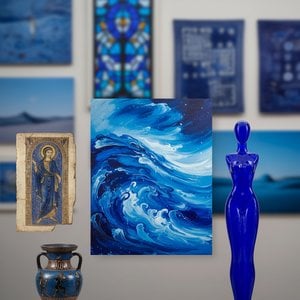
The Allure of Azure: Exploring the Symbolic & Aesthetic Depths of Blue in Art History
Explore the rich history of blue in art! Discover its symbolism, from ancient pigments to modern masterpieces by Kandinsky & Seurat. Uncover the psychological impact and cultural meanings behind this captivating hue.



