

 实景预览
实景预览
 分享
分享 分享
分享
 详情
详情 指南
指南

 下载作品
下载作品
 相似作品
相似作品 X射线
X射线 幻灯片播放
幻灯片播放 问答
问答 统计数据
统计数据Quiet Garden

 展开全文
展开全文
艺术微喷/版画
博物馆级艺术微喷或帆布版画,制作高效,并提供多种饰面选择。 ( 订购纯手工绘制画作 切换至数字图像销售渠道)




































您可以从与原作比例一致的预设尺寸中进行选择。

请输入您所需的宽度和高度,以适配您的画框或墙面。由于印刷品只能进行裁剪,无法超出原图尺寸,因此若比例不一致,画面的一部分将会被裁切。在正式印刷之前,我们会为您发送一份数字效果图供您确认。本页面显示的图片并非最终裁剪后的效果——只有效果图才能展示真实的裁剪情况。


 玻璃选项仅适用于110厘米以下的尺寸。

Quiet Garden
艺术微喷/版画
复刻品尺寸
-


最终结算价
¥ 423
相似作品


艺术家简介
Jean Warin: A Quiet Master of Symbolist Gardens
Jean Warin (1607-1672) remains a quietly compelling figure in the history of French art, often overshadowed by more flamboyant contemporaries yet possessing a unique and deeply resonant style. Born in Liège, Belgium, he embarked on a journey that ultimately led him to Paris, where he established himself as a prominent painter, primarily known for his exquisitely detailed and serene depictions of gardens, Japanese landscapes, and interiors—scenes imbued with an atmosphere of contemplative beauty and subtle symbolism. His work offers a rare glimpse into the private worlds of the wealthy elite, capturing not just their material possessions but also the emotional landscape of refined leisure and intellectual pursuit. Warin’s artistic development was shaped by several key influences. Early training in Liège exposed him to Flemish painting traditions, characterized by meticulous detail and an interest in naturalism. However, it was his time in Paris that truly ignited his creative spirit. The burgeoning Symbolist movement, with its emphasis on subjective experience and the exploration of hidden meanings, profoundly impacted his work. He absorbed the lessons of artists like Claude Lorrain, whose idealized landscapes provided a foundation for Warin’s own compositions, while also drawing inspiration from the Japanese aesthetic—a fascination evident in his numerous depictions of meticulously crafted gardens and water features. The influence of Italian Renaissance painting is also apparent in his careful rendering of light and shadow, contributing to the atmospheric quality of his scenes.The Art of the Intimate Garden
Warin’s most celebrated works are undoubtedly his garden paintings. These aren't merely depictions of outdoor spaces; they are carefully constructed narratives that invite contemplation and reveal a deep understanding of human psychology. He frequently depicted enclosed gardens—formal French gardens, meticulously manicured lawns, and intimate courtyards—spaces designed for quiet reflection and intellectual stimulation. His brushwork is remarkably delicate, creating an illusion of depth and texture through subtle gradations of color and light. The figures within these scenes are often small and distant, suggesting a sense of detachment and emphasizing the garden itself as the primary subject. The placement of objects – fountains, statues, benches—is deliberate, adding layers of meaning to the composition. A key element is his use of water; ponds, streams, and reflecting pools not only enhance the beauty of the gardens but also symbolize transitions, fluidity, and the passage of time.Japanese Influences and Compositional Techniques
Warin’s fascination with Japan extended beyond mere aesthetic appreciation. He meticulously studied Japanese garden design principles, incorporating elements such as asymmetry, borrowed scenery (the use of distant landscapes to enhance the perceived scale of a garden), and carefully arranged rocks and water features. These influences are particularly evident in his paintings of Japanese-inspired gardens—often featuring small pavilions, bridges, and meticulously pruned trees. His compositions frequently employ a technique known as *sfumato*, a subtle blurring of outlines that creates an atmospheric effect and softens the edges of objects, contributing to the overall sense of tranquility and mystery. He also skillfully used perspective to create a feeling of depth and distance, drawing the viewer into the heart of the scene.Beyond Gardens: Portraits and Interior Scenes
While his garden paintings are undoubtedly his most famous works, Warin was also a skilled portraitist and painter of interior scenes. His portraits often captured the refined elegance of his aristocratic patrons, portraying them in luxurious settings—often surrounded by their beloved gardens or engaged in intellectual pursuits. His interiors were equally captivating, depicting elegantly furnished rooms filled with exquisite furniture, tapestries, and artwork. These paintings offer a glimpse into the lives of the French elite during the 17th century, revealing their appreciation for beauty, comfort, and intellectual stimulation.Legacy and Historical Significance
Jean Warin’s work holds a significant place in the history of French art. He is considered one of the key figures of the Symbolist movement, though his style is distinct from that of many of its more overtly emotional exponents. His paintings are valued for their technical mastery, their atmospheric quality, and their subtle symbolism—qualities that continue to resonate with viewers today. His meticulous attention to detail and his ability to capture the essence of quiet beauty have earned him a devoted following among art collectors and enthusiasts. The Musée National Jean-Jacques Henner in Paris houses a significant collection of his works, ensuring that this quietly compelling artist’s legacy will endure for generations to come. His work represents a serene counterpoint to the more dramatic styles of his time, offering a window into a world of refined contemplation and understated elegance.
Jean Warin
1607 - 1672 , France
艺术家简介
- Full Name: Jean Warin
- Nationality: French
- Date Of Birth: 1607
- Date Of Death: 1672
- Place Of Birth: France
- Notable Artworks:
- Quiet Garden
- Solitude Iv
- Japanese Composition
- Artistic Movement Or Style: Symbolism
- Artists Who Influenced This Artist: ['None],\n "Artists or movements influenced by this artist": [None']
相关文章
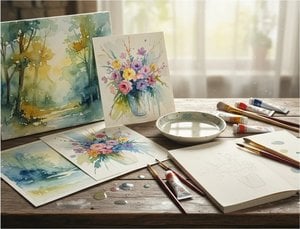
Ephemeral Visions: Exploring the Artistic Legacy & Nuances of Watercolor Painting
Explore the captivating world of watercolor painting! Discover its rich history, essential techniques, influential artists & collecting tips from art experts. A comprehensive guide for enthusiasts.

Ephemeral Visions: Exploring the Artistic Legacy & Contemporary Practice of Watercolor Painting
Explore the captivating world of watercolor painting! Discover its rich history, essential techniques, influential artists & collecting tips. A comprehensive guide for art enthusiasts from ArtsDot.

Watercolor Wonders: 10 Masterpieces That Redefined Art History | ArtsDot
Journey through 10 legendary watercolor masterpieces by Sargent, Turner & Homer! Explore iconic landscapes, portraits & floral art that redefined history. Find museum-quality reproductions and curated decor ideas at ArtsDot.com.

Cultivating Paradise: A Historical & Artistic Exploration of Gardens in Painting
Explore the rich history of gardens in painting! Discover masterpieces from Renaissance to Impressionism & beyond. Learn about symbolism, artists like Monet & Klimt, and find your perfect artwork at ArtsDot.

水彩艺术的流光溢彩:历史渊源、情感共鸣与现代实践
探索水彩艺术的流光溢彩!深入了解其历史渊源、大师技法与现代实践。提供专业的艺术咨询、定制油画服务,助您收藏和鉴赏优秀作品。ArtsDot.com – 您的艺术之选。