


 效果预览
效果预览
 分享
分享 分享
分享
 详情
详情

 下载
下载
 相似作品
相似作品 X射线
X射线 幻灯片播放
幻灯片播放 统计数据
统计数据sword (detail)


 展开详情
展开详情
手工油画复制品
由我们的艺术家按需定制,为您提供您所选尺寸及画框的布面手工油画。 ( 切换至版画销售渠道 切换至数字图像销售渠道)




P118B $10

P118H $10

P118W $10

P438Z $10

P508JH $12

P508YH $12

P805H $10

P805Z $10

P919BZ $10

P919G $10

P919XJ $10

P959ZH $10

P968JZ $12

W106C $8

W218G $10

W218JH $8

W218Y $10

W307PJ $10

W316G $10

W316PJ $8

W316Y $10

W398PJ $8

W4111J $10

W500HY $15

W500JH $15

W692G $12

W849H $8

W940BG $15

W953PJ $8




从与原作比例一致的预设尺寸中进行选择。

您可以输入自定义尺寸,以适配特定的画框或空间。如果所选尺寸与原图比例不符,我们将通过裁剪作品或添加手绘元素来扩展画面。数字样稿将在制作开始前发送给您确认。
请注意,屏幕预览无法准确反映实际的裁剪或扩展效果,只有样稿才能真实呈现最终的构图。
虽然我们提供定制尺寸服务,但为了保留原作比例,建议您从预设列表中选择尺寸。
下单后,ArtsDot.com 团队将通过电子邮件联系客户获取具体要求,并提供效果预览图。


 玻璃选项仅适用于110厘米以下的尺寸。

sword (detail)
复制材质
复制品尺寸
-


最终总价
$ 263
相似艺术品


艺术家简介
James Thomas Morisset: A Complex Figure of Colonial Australia
James Thomas Morisset, born in London in 1780 and tragically passing away in Bathurst, New South Wales, in 1852, remains a figure shrouded in both admiration and controversy within the annals of Australian colonial history. More than simply a penal administrator – his primary role – Morisset’s life intertwined with military service, artistic inclinations (a surprisingly significant element often overlooked), and a profound impact on the nascent settlements of Norfolk Island and Bathurst. His story is not one of straightforward heroism; it's a tapestry woven with threads of ambition, duty, personal hardship, and ultimately, a legacy inextricably linked to the difficult realities of early colonial governance.Early Life and Military Beginnings
Morisset’s origins were firmly rooted in London’s artisan community. Born into a family renowned for their skill as watchmakers and goldsmiths – his father, James Morisset, was particularly celebrated for his exquisite presentation swords – he inherited a tradition of craftsmanship and precision. This early exposure to intricate design and meticulous execution would subtly influence his later administrative role, demanding an eye for detail and a capacity for organization. He enlisted in the 80th Regiment of Foot in 1798, a decision driven perhaps by a desire for adventure and escape from the confines of London life. His military career quickly progressed, marked by service in Egypt and India, culminating in a captaincy within the 48th Regiment. The Peninsular War saw him earn commendations for bravery, though also bearing the visible scars of battle – a disfigurement that would forever mark his appearance. This period demonstrated not only his military prowess but also a willingness to confront danger and hardship, qualities crucial for navigating the challenges of colonial administration.Commanding Norfolk Island: A Crucible of Conflict
Morisset’s most significant – and arguably most controversial – appointment came in 1829 when he was tasked with commanding the second convict settlement on Norfolk Island. This remote outpost, intended to house the most intractable criminals, presented a uniquely demanding environment. Far from any established support system, Morisset faced the daunting task of establishing order amidst a population rife with discontent and prone to rebellion. His approach was characterized by strict discipline – earning him both respect and resentment among the convicts. The island became a testing ground for his administrative skills, forcing him to adapt quickly to the realities of managing a volatile population under immense pressure. The period on Norfolk Island witnessed several attempted mutinies, highlighting the deep-seated tensions and Morisset’s struggle to maintain control. It was during this time that he married Emily Louisa Vaux, a union that brought a touch of domestic stability to his often turbulent life.Beyond Administration: A Hidden Artistic Interest
While primarily known for his role as a penal administrator, James Thomas Morisset possessed a surprisingly strong interest in art and design – an element frequently overlooked in historical accounts. His family’s legacy as skilled goldsmiths undoubtedly played a significant part in shaping this inclination. Evidence suggests he was involved in the creation of decorative objects, including presentation swords and snuff boxes, showcasing a refined aesthetic sensibility and technical expertise. This artistic talent likely informed his approach to administration, demanding an appreciation for detail, proportion, and visual order – qualities essential for managing a complex settlement. The Dover Collections at ArtsDot.com, featuring works by artists like John Everett Millais and William Richard Waters, offers a glimpse into the broader artistic landscape of his era, hinting at a shared cultural context.Legacy and Historical Significance
James Thomas Morisset’s legacy is complex and multifaceted. He remains a controversial figure in Australian history, often portrayed as a harsh and uncompromising administrator. However, a closer examination reveals a man grappling with the immense challenges of establishing order in a remote and unforgiving environment. His work at Bathurst, where he implemented reforms aimed at improving convict welfare and fostering a sense of community, demonstrates a capacity for empathy and strategic thinking beyond mere enforcement. His appointment to Norfolk Island, despite its fraught circumstances, underscores his commitment to fulfilling his duty as a colonial official. Morisset’s story serves as a poignant reminder of the human cost of early colonial expansion – a period marked by both opportunity and profound injustice. His name continues to resonate in New South Wales, with the town of Morisset bearing testament to his enduring presence in Australian history.
james thomas morisset
1780 - 1852 , United Kingdom
艺术家简介
- Artistic Movement Or Style: Penal administrator
- Date Of Birth: 1780, London, UK
- Date Of Death: 1852
- Full Name: James Thomas Morisset
- Nationality: British
- Notable Artworks: ['Dover Collections']
- Place Of Birth: London, United Kingdom
相关文章
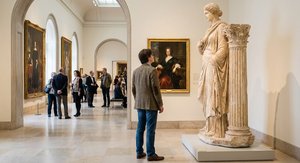
The Enduring Legacy of Classical Style: Form, Narrative & Influence in Art
Explore the enduring legacy of classical art – from ancient Greece & Rome to Neoclassicism. Discover key artists, philosophical roots & build a timeless collection with ArtsDot's expert guidance.

Neo-Classicism's Greatest Hits: 10 Masterpieces for Your Home |
Journey through Neo-Classicism's finest! Explore 10 iconic masterpieces by David, Ingres & Canova. Discover art history, techniques & timeless beauty – perfect for inspiring your home decor. Find museum-quality reproductions at
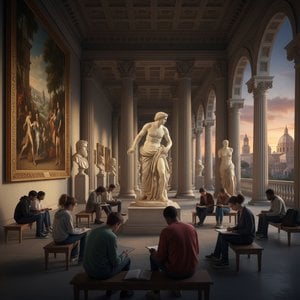
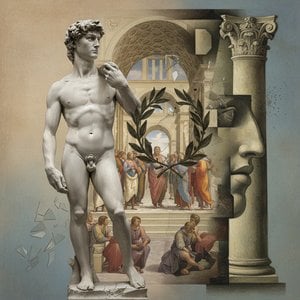
The Enduring Echo of Antiquity: Classical Ideals in Art from Renaissance to Modernism
Explore the lasting impact of classical ideals on art from the Renaissance to Modernism. Discover key movements, iconic artists & find museum-quality reproductions at ArtsDot.

Timeless Resonance: Exploring Classic Vibe in Art – A Historical & Aesthetic Analysis
Explore the rich history & enduring aesthetic of Classicism art! Discover key movements, iconic artists like Raphael & David, and its lasting influence on Western art. Deepen your appreciation today.