


图片将根据您的选择进行更新: , .
藏品详情
James Ensor's 'La Dame à l’Eventail' (1888) is a haunting portrait of a woman shrouded in mystery, utilizing masks and unsettling symbolism – a key work showcasing his Expressionist style.
 展开全文
展开全文
艺术家简介
比利时画家詹姆斯·恩索 (1860-1949),表现主义与超现实主义先驱,以其令人不安的场景、面具、狂欢节和骷髅而闻名。《基督进入布鲁塞尔》等作品深刻批判社会与宗教,风格大胆前卫,影响深远。
手工油画复制品
由我们的艺术家按需定制,为您提供您所选尺寸及画框的布面手工油画。 ( 切换至版画销售渠道 切换至数字图像销售渠道)
更多关于此画作的信息
 实景预览
实景预览
 分享
分享 分享
分享
 详情
详情 指南
指南

 下载作品
下载作品
 相似作品
相似作品 X射线
X射线 幻灯片播放
幻灯片播放 问答
问答 统计数据
统计数据只需简单四步,即可订购您的画作
请慢慢挑选。您可以随时更改任何选项;订单详情卡中的价格将随您的选择实时更新。
1 四步中的第一步
您想要哪种尺寸?
这些尺寸均保持了原画的比例。示意图展示了您所选尺寸在墙面上的效果,其位置位于一张两米宽的沙发上方。
或输入您自定义的尺寸
您可以从与原作比例一致的预设尺寸中进行选择。

请输入您需要的宽度和高度,以适配您的画框或墙面。由于作品为手工绘制,若选择不同比例的尺寸,艺术家可能会在画面边缘多画一些或稍作裁剪 —— 由您决定。在开始绘画之前,我们会为您发送一份数字效果图供您确认。本页面上展示的图片并非最终实物 —— 只有效果图才能反映真实结果。
2 四步中的第二步
您希望如何装裱:卷轴装、绷框装还是带框装?
以下价格对应您在第一步中所选的尺寸。
选择绷边画布的边缘样式
选择您的画框

白色边缘 ¥1

边缘晕染效果 ¥1

延展式 ¥1

P118B ¥10

P118H ¥10

P118W ¥10

P438Z ¥10

P508JH ¥12

P508YH ¥12

P805H ¥10

P805Z ¥10

P919BZ ¥10

P919G ¥10

P919XJ ¥10

P959ZH ¥10

P968JZ ¥12

W106C ¥8

W218G ¥10

W218JH ¥8

W218Y ¥10

W307PJ ¥10

W316G ¥10

W316PJ ¥8

W316Y ¥10

W398PJ ¥8

W4111J ¥10

W500HY ¥15

W500JH ¥15

W692G ¥12

W849H ¥8

W940BG ¥15

W953PJ ¥8

H24-GOLD ¥30

H24-SILVER ¥30

H36-GOLD ¥45

H36-SILVER ¥45
带框
边框材质: . 含框总尺寸: .
3 四步中的第三步
您想对画作进行任何修改吗?
大多数人的回答是否定的。由于每一幅画作都是手工绘制,我们的艺术家也可以为您进行定制。
下单后,ArtsDot.com 团队将通过电子邮件联系客户获取具体指令,并提供效果预览图
4 第四步(共四步)
几种饰面选项
所有选项均为可选。已选择的答案不会产生额外费用。
出自哪位艺术家之手?
像博物馆里的那样,配上一块铭牌?
青铜铭牌雕刻详情
This elegant plaque features the artist's name and the title of the artwork, finely engraved for a timeless presentation.
It is made from bronze with a refined, elegant finish. The text is precisely laser-engraved for a sharp and permanent result. Measuring 9x2 cm, the plaque is compact yet easy to read. It's built to be durable and scratch-resistant, offering a professional, museum-quality look. Mounting is simple thanks to the included adhesive backing.
透明亚克力铭牌详情
The plaque includes essential engraved details such as the artist's name, the title of the artwork, the date it was created, the type of media used-like oil on canvas or watercolor-a brief description of the piece, and a QR code that links to the complete artwork information.
It is crafted from clear acrylic, offering a sleek, modern appearance. The text is UV-engraved in black to ensure strong visual contrast. With a size of 10x15 cm, it ensures optimal readability. It comes equipped with two metal hooks for secure wall mounting. The plaque is designed to be weather-resistant, making it suitable for various environments, and it includes interactive features that work seamlessly with smartphone scanning.
黑色亚克力铭牌详情
This elegant plaque includes engraved information such as the artist's name, the title of the artwork, the date it was created, the type of media used (like oil on canvas or watercolor), a short description of the artwork, and a QR code for quick access to more information.
The plaque itself is made from refined black acrylic with a premium finish. The text is laser-engraved in white for high contrast and readability. Its size is 10x15 cm, designed to be easy to read. It comes with two metal hooks for professional mounting. The design is sleek and fits any interior style. It is also weather-resistant and durable, with built-in digital integration for mobile compatibility.
需要保护性光油吗?
您预计何时收到?
✓ 确认并下单
您的画作,正如您所订购的那样

La dame a l' eventail
复制品材质
复刻品尺寸
-

精选资深艺术家
更丰富的细节、更精湛的工艺以及更充裕的制作时间
-

复制画装裱选项
-
-
对于任何边长超过 105 厘米(约 41 英寸)的艺术品或复制品,画框将以拆解后的组件形式发货。此方法可确保安全送达并防止运输过程中的损坏。
需由专业人员组装 —— 本产品不适用于 DIY 操作。
该组件必须由经验丰富的专业装裱师进行组装及画布绷装,过程中需使用木工胶(不随附)、画布绷边钳以及夹具,以确保在胶水干燥期间保持内框方正。组装不当或画布张力不均可能会对艺术品造成永久性损坏,且此类情况不在我们的保修范围之内。
 对于任何边长超过 105 厘米(约 41 英寸)的艺术品或复制品,画框将以拆解后的组件形式发货。此方法可确保安全送达并防止运输过程中的损坏。
包含所有实木条,尺寸精确,便于组装。
使用随附的螺丝进行组装,另需准备用于角部连接的木工胶(本品不含木工胶),请由您的装裱师自行准备。
需另备专业工具(本套件不含):画布绷紧钳以及用于在胶水干燥过程中保持木条方正的夹具。
重要提示:
角部连接处需要使用木工胶,边框条必须使用夹具固定直至胶水完全干透,且在组装好的框架上绷紧画布需要用到画布拉伸钳。以上工具均不包含在套装内。请在订购此尺寸前,预先联系经验丰富的专业装裱师。

展品铭牌
-
-

保护性清漆
光泽清漆(提亮色彩,防光防潮)
-

定制我的艺术品
定制化示例:替换面部为客户照片;添加宠物(例如,将猫替换为狗);在背景中加入隐藏信息;更改背景风景或元素。
-

加急
全球配送()仅需 3-4 周即可送达,无需等待标准时效的 5 周。(4 November)。品质始终如一,绝不妥协。
-
极速达
全球配送(),预计 5 周送达。(11 November)。
已包含
最终结算价
¥ 1765
玻璃选项仅适用于110厘米以下的尺寸。
每份订单均包含
- 全球免运费特快专递服务
- 优质亚麻画布
- 全程运输保险
- 关税退款保证
- 色彩精准还原保证
- 100天退货保障(仅限制造缺陷)
- 100% 退款保证
- 多件购买优惠


A Portrait of Intrigue: Unveiling James Ensor’s “La Dame à l’Eventail”
James Ensor's "La dame à l'eventail" (The Lady with the Parasol) is not merely a depiction of a woman; it’s an immersion into a carefully constructed world of unsettling beauty and veiled commentary. Painted around 1890, this work exemplifies Ensor’s unique brand of Expressionism – a style he pioneered in Belgium that prioritized emotional intensity over strict realism. The painting immediately draws the viewer in with its muted palette dominated by browns, greens, and blues, creating an atmosphere of quiet contemplation tinged with unease. The subject herself is presented from behind, her back turned to us, fostering a sense of mystery and inviting speculation about her thoughts and intentions. This deliberate choice of perspective is characteristic of Ensor’s work; he frequently employs this technique to create psychological depth and suggest hidden narratives within his scenes. The woman's elegant attire – hinting at a bygone era – contrasts sharply with the slightly unsettling details, such as the skeletal figure glimpsed on the right side of the canvas, a recurring motif in Ensor’s oeuvre that speaks to mortality and the fragility of life.The Carnival Legacy: Masks, Spectacle, and Social Critique
Ensor's fascination with masks stemmed directly from his childhood spent amidst the vibrant chaos of Ostend’s annual carnival. His parents operated a souvenir shop overflowing with these theatrical objects – grotesque faces, elaborate costumes, and whimsical figures – providing him with an unparalleled visual vocabulary. “La dame à l’eventail” is deeply rooted in this experience; the parasol itself becomes a symbolic shield, perhaps concealing her identity or protecting her from unseen forces. The presence of the skeletal figure, often interpreted as representing death or decay, subtly undermines the scene's initial appearance of serenity and elegance. Ensor frequently used carnival imagery to critique societal norms and expose hypocrisy – a theme powerfully evident in his work. This painting isn’t simply a portrait; it’s a carefully orchestrated tableau designed to provoke thought about themes of identity, mortality, and the artificiality of social appearances.Technique and Artistic Innovation: A Pioneering Approach
Ensor's technique is as distinctive as his subject matter. He employed a layered approach, building up color and texture through multiple glazes – a method that lends the painting a remarkable depth and luminosity. Notice how he uses broken brushstrokes to create a sense of movement and instability, particularly in the folds of the woman’s dress and the delicate structure of the parasol. His use of symbolism is equally sophisticated; each element—the masks, the skeleton, the muted colors—contributes to a complex web of meaning. Ensor was a master of visual suggestion, relying on implication rather than explicit statement. He deliberately avoided conventional portraiture techniques, opting instead for a style that prioritized emotional expression and psychological insight. This approach aligns him with the burgeoning Expressionist movement, which sought to convey inner feelings and subjective experiences through art.Symbolism and Emotional Resonance: A Glimpse into Ensor’s Psyche
“La dame à l’eventail” resonates deeply with the unsettling themes that preoccupied James Ensor throughout his career. The painting can be interpreted as a meditation on the duality of human nature – the contrast between outward appearances and inner realities, between life and death, between beauty and decay. The woman's back turned to the viewer creates an immediate sense of detachment, suggesting a hidden vulnerability or perhaps even a deliberate concealment. The skeletal figure serves as a constant reminder of mortality, while the parasol offers a fragile defense against the uncertainties of existence. Ultimately, Ensor’s masterpiece invites us to confront our own anxieties and assumptions about identity, appearance, and the mysteries that lie beneath the surface of everyday life. It's a powerfully evocative work that continues to captivate viewers with its unsettling beauty and profound psychological depth – qualities perfectly captured in ArtsDot’s meticulously crafted reproductions.常见问题与解答
詹姆斯·恩索尔 的《La dame a l' eventail》中的主导色调是什么?
“La dame a l' eventail”呈现出Green to Violet Spectrum色调。
詹姆斯·恩索尔 的《La dame a l' eventail》 的画面方向是怎样的?
詹姆斯·恩索尔 的《La dame a l' eventail》 是一幅 Tall 构图的作品。在选择打印尺寸之前,建议先确认其比例。
詹姆斯·恩索尔 的《La dame a l' eventail》 的图像可以自由转载吗?
詹姆斯·恩索尔 的《La dame a l' eventail》 属于 属于公有领域 —— 其版权已过期。此版权状态决定了该作品图像的复制方式。
相似作品


詹姆斯·恩索尔
1860 - 1949, 比利时
艺术家简介
James Ensor:黑暗与疯狂的艺术先锋
詹姆斯·埃诺斯(1860年4月13日出生于奥斯坦德,比利时),是英国父亲和比利时母亲的儿子。这种文化双重可能预示着艺术家毕生对面具和伪装的热爱,这些主题将成为他令人震惊但又迷人的艺术作品的主导力量。在热闹的海滨小镇周围长大,年轻的詹姆斯深受卡尼农节气氛的影响,他的父母经营着一家充满贝壳、面具和异国情趣物品的纪念品店——一个真正的奇迹宝库,点燃了他的想象力并为他未来的艺术创作提供了丰富的视觉词汇。
早期作品与现实主义的探索
埃诺斯早期的绘画反映了更传统的风格,描绘了日常生活场景,采用阴郁的色彩。例如,《俄罗斯音乐》(1881年)和《醉酒者》(1883年),展现了他对现实主义的初步天赋,但即使在这些早期作品中,也存在着令人不安图像的萌芽。一个关键转变发生在埃诺斯的色彩变得鲜艳和主题日益怪诞的过程中。他开始在画布上填充卡尼农节、骷髅、木偶和象征人物——一个充满幻想的世界,经常边缘于疯狂之间。这不仅仅是一种风格上的变化;它是对人类存在黑暗面的有意识的探索,是对社会规范的拒绝以及对非理性拥抱。
从阴郁现实主义到怪诞景象
埃诺斯对艺术的态度并非传统审美主义者所追求的纯粹形式主义。他承认了来自大师们的影响,例如皮特·布鲁格尔长老,他的拥挤场景和道德说教风格与自己的愿景产生共鸣;此外,弗朗西斯科·戈雅对人类痛苦的不畏惧描绘也给埃诺斯艺术审美带来了深刻的印象。威斯斯勒强调了美学主义的重要性,这也在塑造埃诺斯的艺术感觉中发挥了一定的作用。
黑暗与疯狂的艺术先锋
尽管埃诺斯拒绝简单分类,但他的艺术渊源复杂而迷人。他承认了来自大师们的影响,例如皮特·布鲁格尔长老,他的拥挤场景和道德说教风格与自己的愿景产生共鸣;此外,弗朗西斯科·戈雅对人类痛苦的不畏惧描绘也给埃诺斯艺术审美带来了深刻的印象。威斯斯勒强调了美学主义的重要性,这也在塑造埃诺斯的艺术感觉中发挥了一定的作用。
主要成就与历史意义
埃诺斯是一位开创性的艺术家,他大胆地挑战了艺术规范,为后人打开了道路。他的作品继续吸引着观众的目光,并探讨了人类状况的深度和黑暗面。尽管最初面临阻力,埃诺斯最终在晚年获得了认可,被国王阿尔伯特一世封为贵族,并在1933年获得荣誉军团勋章。他于1949年在奥斯坦德去世,留下了一系列作品,这些作品继续激发人们的想象力和热情。


相关文章

Masterpieces of the English Countryside: Top 25 Sir Alfred James Munnings Artworks
Explore 25 iconic Sir Alfred James Munnings masterpieces. Discover timeless equine art on ArtsDot.com.

惠斯勒大师25幅杰作:艺术、家居与永恒之美 | ArtsDot
探索詹姆斯·惠斯勒25幅杰作!深入了解夜曲、静谧和谐等经典油画背后的故事与艺术魅力。ArtsDot.com提供博物馆级复制品,为您的家居带来永恒之美。立即在线探索完整系列!
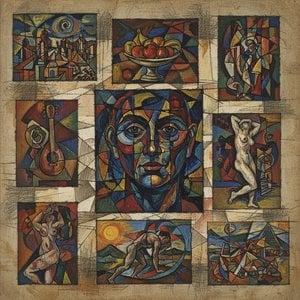
Cubist Expressionism's 10 Defining Masterpieces | Art for Your Home
Explore 10 defining Cubist Expressionism masterpieces by Picasso, Braque & more. Discover the stories behind these bold, geometric paintings and bring museum-quality art to your home with ArtsDot.com. Explore the full collection online.