


 购买版画
购买版画 分享
分享 分享
分享
 Details

 下载
下载
 相似作品
相似作品 X-Ray
X-Ray 幻灯片播放
幻灯片播放The Bean King
 Acrylic
- WallArt
- Flemish Baroque
 1638
1638 160.0 x 213.0 cm
 冬宫博物馆 (Hermitage Museum)




P118B $10

P118H $10

P118W $10

P438Z $10

P508JH $12

P508YH $12

P805H $10

P805Z $10

P919BZ $10

P919G $10

P919XJ $10

P959ZH $10

P968JZ $12

W106C $8

W218G $10

W218JH $8

W218Y $10

W307PJ $10

W316G $10

W316PJ $8

W316Y $10

W398PJ $8

W4111J $10

W500HY $15

W500JH $15

W692G $12

W849H $8

W940BG $15

W953PJ $8




 了解更多
了解更多从与原作比例一致的预设尺寸中进行选择。

您可以输入自定义尺寸,以适配特定的画框或空间。如果所选尺寸与原图比例不符,我们将通过裁剪作品或添加手绘元素来扩展画面。数字样稿将在制作开始前发送给您确认。
请注意,屏幕预览无法准确反映实际的裁剪或扩展效果,只有样稿才能真实呈现最终的构图。
虽然我们提供定制尺寸服务,但为了保留原作比例,建议您从预设列表中选择尺寸。
下单后,ArtsDot.com 团队将通过电子邮件联系客户获取具体要求,并提供效果预览图。


 玻璃选项仅适用于110厘米以下的尺寸。

The Bean King
复制材质
复制品尺寸
-


最终总价
-
作品详情
A Celebration of Flourishing Life: Exploring Jacob Jordaens’ “The Bean King”
Jacob Jordaens (1593 – 1678), born into the affluent Antwerp family of linen merchants, stands as a cornerstone of Flemish Baroque artistry. Unlike many artists of his era who pursued formal training in Italy—a path favored by prestige and artistic innovation—Jordaens remained firmly grounded in Flanders, cultivating a distinctive style that prioritized earthly pleasures and tangible realities. His formative apprenticeship under Adam van Noort, Rubens’ protégé, instilled him with masterful technique and compositional awareness, yet he swiftly asserted his individuality, rejecting convention to champion a vision of vibrant human experience.Subject Matter: A Festive Gathering
“The Bean King,” completed in 1638, depicts an opulent banquet scene—a tableau brimming with figures engaged in convivial conversation and indulgence. The composition centers around a large table laden with delicacies, reflecting the abundance characteristic of Baroque art’s fascination with grandeur and sensory delight. Scattered throughout the room are several individuals seated at the table, their expressions conveying warmth and merriment. Furthermore, two dogs accompany the scene—one positioned near the bottom right corner, adding an element of domestic charm, while another occupies a prominent spot on the far left side. Above the table hangs a clock, subtly anchoring the composition in time and emphasizing the importance of ritual and social occasion.Style and Technique: Rubensian Influence Meets Flemish Realism
The painting’s style is undeniably indebted to Peter Paul Rubens—Jordaens' mentor—whose masterful use of color and dynamic brushwork profoundly impacted the younger artist’s oeuvre. However, Jordaens skillfully tempered Rubens’ exuberance with a grounding in Flemish realism. The artist meticulously rendered textures – from the polished surfaces of tableware to the folds of clothing – demonstrating an unwavering commitment to capturing the nuances of human anatomy and drapery. Jordaens' brushstrokes are loose yet controlled, creating a palpable sense of movement and conveying the energy of the celebratory atmosphere. Color palettes are rich and luminous, dominated by warm hues that evoke feelings of warmth and conviviality.Historical Context: Antwerp’s Golden Age
“The Bean King” emerged during Antwerp’s “Golden Age,” a period marked by unprecedented economic prosperity and artistic flourishing. Rubens himself was at the height of his creative powers, establishing Antwerp as a global center for art patronage and innovation. The painting reflects the prevailing cultural ethos of the time—a belief in humanist ideals and an appreciation for earthly beauty—demonstrating the influence of Renaissance humanism on Baroque aesthetics. It’s a testament to the artistic dynamism of Antwerp's courtly circles, where artists like Jordaens were commissioned to commemorate significant events and elevate social status through visual splendor.Symbolism: Abundance and Societal Harmony
The banquet itself serves as a potent symbol of prosperity and communal harmony—themes central to Baroque art’s exploration of human experience. The copious food displayed on the table represents not merely sustenance but also generosity and goodwill, reflecting the values upheld by aristocratic society during Jordaens' lifetime. Furthermore, the presence of dogs symbolizes loyalty and companionship – qualities valued in both domestic life and artistic representation. The clock serves as a reminder that time is precious and that moments of joy should be savored fully.Emotional Impact: Capturing Transient Beauty
Ultimately, “The Bean King” succeeds in conveying an enduring emotional resonance—a palpable sense of warmth, merriment, and shared delight. Jordaens’ masterful depiction captures the fleeting beauty of human connection amidst a setting of opulent celebration. The painting invites viewers to contemplate the significance of social rituals and the importance of appreciating life's pleasures – themes that continue to resonate with audiences today. It stands as an enduring emblem of Flemish Baroque artistry, demonstrating the artist’s ability to transform observation into evocative visual storytelling.相似艺术品


艺术家简介
雅各·乔丹:生活与艺术的丰饶
1593年,雅各·乔丹出生于比利时安特卫普一个富裕的手工业者家庭。他很快便在弗拉芒巴洛克绘画领域崭露头角,成为最具活力和影响力的艺术家之一。与其他许多前往意大利深造的同代画家不同,乔丹扎根于自己的故土弗拉芒,发展出一种独特而充满力量的风格,歌颂日常生活中的快乐与现实。他的父亲是一位成功的亚麻布商人,为他提供了舒适的生活环境和与其社会地位相符的教育,之后他才开始在亚当·凡·诺特(Adam van Noort)——彼得·保罗·鲁本斯(Peter Paul Rubens)的老师——门下学习绘画。这段早期的训练赋予了乔丹精湛的技巧基础和对构图的敏锐理解力,但他很快便偏离了传统的道路,开创了自己的独特风格。1616年,他与凡·诺特的女儿卡塔丽娜(Katharina)结婚,巩固了他与安特卫普艺术界的联系。农民狂欢与巴洛克宏伟的画家
乔丹的创作范围极其广泛,涵盖宗教叙事、神话场景、寓言作品、充满生机的风俗画以及肖像画。然而,他最令人难忘的作品或许是他那些热闹非凡的农民节日和酒馆场景——这些作品洋溢着强烈的能量感和对世俗快乐毫不掩饰的喜悦。《国王饮酒》(也称为豆王节)便是这种典型风格的典范:拥挤的构图充满了健壮的人物,他们沉浸在欢快的狂欢中,以温暖、明亮的色彩和戏剧性的明暗对比呈现。这些场景不仅仅是对欢乐庆祝活动的描绘;它们通常蕴含着微妙的道德教化意味,反映了17世纪社会普遍存在的放纵与节制之间的复杂关系。然而,乔丹同样擅长处理更为宏大而正式的委托作品。他参与装饰海牙附近的胡伊斯·腾·博斯宫(Huis ten Bosch palace)——与鲁本斯的合作——展示了他创造大型寓言作品的能力,这些作品无缝地融合了绘画和建筑艺术。影响与独特的艺术声音
尽管乔丹从未前往意大利旅行,但他深受意大利大师的影响,例如雅各波·巴萨诺(Jacopo Bassano)、保罗·委罗内塞(Paolo Veronese)以及卡拉瓦乔(Caravaggio)——他们的作品通过版画和由其他艺术家带回的绘画传到弗拉芒。卡拉瓦乔的影响尤其体现在他对光影的戏剧性运用上,这种技术被称为明暗对比法,能够增强场景的情感强度。然而,乔丹并非简单地模仿这些影响;他将它们与自己的弗拉芒气质相结合,创造出一种独一无二的风格。他与鲁本斯和凡·迪克不同之处在于他对现实主义而非理想主义的偏好,采用了一种更直接、更朴素的方式来描绘人体形象。他的作品中的人物通常体格健壮,甚至肥胖,面容红润,充满健康活力。这种对自然主义的执着,加上他精湛的色彩和构图技巧,使他与同时代的艺术家区分开来,并确立了他作为弗拉芒巴洛克绘画领域领军人物的地位。遗产与持久的影响
在漫长而富有成效的职业生涯中,乔丹培养了众多学生——1621年至1667年间,圣卢卡行会正式记录了十五名徒弟——确保了他的艺术遗产得以延续。他的影响体现在后来的艺术家身上,例如扬·斯汀(Jan Steen),他与乔丹一样擅长描绘热闹的风俗场景。除了对其他画家的直接影响之外,乔丹的经典主题——特别是农民题材——对艺术世界产生了持久的影响,挑战了传统的等级制度并赞美了日常生活的尊严。即使在今天,他的作品仍然以其能量、活力和对人类经验的诚实描绘而吸引着观众。他将现实主义与寓言、感性与道德、宏伟与亲密相结合的能力使他成为巴洛克时期最具魅力和持久影响的人物之一。通过在线资源探索乔丹更多杰作,深入了解巴洛克时代的丰富艺术景观,包括对其作品的详细数据库以及对其生活和艺术的深刻分析。
雅各·乔登斯
1593 - 1678 , 比利时
艺术家简介
- Artistic Movement Or Style: 巴洛克风格
- Artists Or Movements Influenced By This Artist: ['扬·斯汀']
- Artists Who Influenced This Artist:
- 雅各波·巴萨诺
- 保罗·委罗内塞
- 卡拉瓦乔
- Date Of Birth: 1593年5月19日
- Date Of Death: 1678年
- Full Name: 雅各·乔登斯
- Nationality: 佛兰德斯
- Notable Artworks:
- 牧羊人之礼
- 阿尔戈斯与墨丘利
- Place Of Birth (City And Country): 比利时安特卫普
相关文章

The Pursuit of Power & Prestige: Hunting Scenes in Western Art
Explore the rich history of hunting scenes in Western art, from royal pursuits to powerful allegories. Discover masterpieces & expert insights for discerning collectors. ArtsDot offers museum-quality reproductions.


Illuminating Faith: Biblical Scenes & Their Enduring Legacy in Art History
Explore the profound history of biblical art! Discover Renaissance masterpieces by Giotto & more. Uncover symbolism, artistic techniques, and lasting influence. Expert insights at ArtsDot.
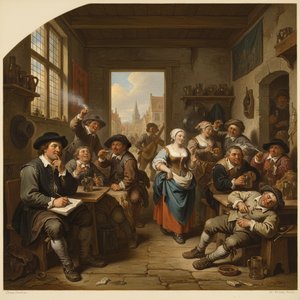
David Teniers the Younger: Genre Painting & Social Commentary in Baroque Flanders
Explore the captivating world of David Teniers the Younger, a leading Flemish Baroque painter. Discover his genre scenes, social commentary, and lasting influence on 17th-century art. Learn about his life, techniques & legacy.

Oil on Canvas Masters: 10 Paintings That Redefined Art History |
Journey through art history with our guide to 10 legendary oil on canvas masterpieces! Explore iconic works by Van Gogh, Monet & Rembrandt. Find museum-quality reproductions and elevate your home decor at . Discover all masterpieces online.
Top 10 Oil Paintings That Revolutionized Art History |
Journey through art history with our Top 10 oil paintings! Explore iconic works by Van Gogh, Monet & Rembrandt. Discover timeless masterpieces and find museum-quality reproductions for your home at .



