


 实景预览
实景预览
 发送
发送 分享
分享
 详情
详情 指南
指南

 下载图片
下载图片
 相似作品
相似作品 X射线
X射线 幻灯片播放
幻灯片播放 统计数据
统计数据Eve Disconsolate
 Neoclassicism
 1877
1877 198.0 x 57.0 cm
 阅读全文
阅读全文
艺术微喷/版画
博物馆级艺术微喷或帆布版画,制作高效,并提供多种饰面选择。 ( 订购此收藏品的纯手工复刻画作 切换至数字图像销售渠道)




































您可以从与原作比例一致的预设尺寸中进行选择。

请输入您所需的宽度和高度,以适配您的画框或墙面。由于印刷品只能进行裁剪,无法超出原图尺寸,因此若比例不一致,画面的一部分将会被裁切。在正式印刷之前,我们会为您发送一份数字效果图供您确认。本页面显示的图片并非最终裁剪后的效果——只有效果图才能展示真实的裁剪情况。


 玻璃选项仅适用于110厘米以下的尺寸。

Eve Disconsolate
艺术微喷/版画
复刻品尺寸说明
-


总计金额
¥ 417
问答详情
Hiram Powers 的《Eve Disconsolate》 属于哪种艺术流派,又处于哪个时代?
Hiram Powers 的《Eve Disconsolate》 属于 Neoclassicism 流派,创作于其作者的 19th Century 时期。
"Eve Disconsolate" 与 Hiram Powers 的其他作品有何共通之处?
"Eve Disconsolate" 与 Hiram Powers 的其他作品一样,都体现了 Neoclassicism 风格以及其一贯的主题:classical ideals, roman influence, neoclassical beauty, virtue", power of female form, "signature sculpture。
Hiram Powers 的《Eve Disconsolate》 属于哪种艺术流派?
Hiram Powers 的《Eve Disconsolate》 属于 Neoclassicism 流派。该流派为这件作品提供了风格背景。
相关艺术品


艺术家简介
The Sculptor Who Brought Greece to America
Hiram Powers (1805 – 1873) stands as a pivotal figure in the history of American art, marking one of the earliest instances of an artist achieving international acclaim based on sculptural prowess. Born in Woodstock, Vermont, his journey from humble beginnings to celebrated sculptor embodies the spirit of self-reliance and artistic ambition that characterized the burgeoning nation. His legacy resides not merely in individual masterpieces but also in establishing a precedent for American artists to pursue excellence beyond domestic borders.
Powers’ formative years instilled within him a profound appreciation for craftsmanship and observation—skills honed during his brief stint as a clerk in Cincinnati's general store. However, it was his encounter with Frederick Eckstein, Cincinnati’s pioneering clockmaker and sculptor, that truly ignited his artistic passion. Eckstein recognized Powers’ talent and encouraged him to immerse himself in the study of modeling and casting techniques, propelling him toward mastery of stone carving and bronze fabrication. This dedication would prove instrumental in shaping his distinctive style—characterized by idealized figures imbued with classical elegance and informed by Roman sculptural traditions.
A Journey Through Classical Idealism
A significant turning point arrived when Powers secured a position as general assistant and artist at Joseph Dorfeuille’s Western Museum, fostering connections with influential naturalist Louis Agassiz. Here, he undertook ambitious projects inspired by Dante's Inferno, producing stunning marble representations of scenes from the epic poem that captivated audiences and cemented his reputation as a visionary sculptor. Notably, Fanny Trollope championed Powers’ career by commissioning him to sculpt Dante’s “Commedia,” securing him considerable recognition within literary circles.
The zenith of his career was undoubtedly reached with the creation of The Greek Slave (1843). This breathtaking marble sculpture, depicting a captive woman with an expression of quiet dignity and sorrow, became a sensation. It did more than just showcase his technical ability to render the softness of skin in cold stone; it tapped into the contemporary American zeitgeist regarding liberty and morality. Through this work, Powers achieved what few of his contemporaries could: a truly international reputation that bridged the gap between the rugged American identity and the refined aesthetics of European Neoclassicism.
Legacy and the Florentine Years
As his fame grew, so did his geographic reach. By 1834, Powers relocated to Washington, D.C., where he quickly gained prominence through portraits of prominent figures. Eventually, seeking the heart of the classical tradition, he moved to Florence, Italy. This relocation allowed him to immerse himself in the very cradle of the Renaissance and Neoclassical ideals that informed his work. In Florence, his studio became a hub for artists and intellectuals, and he continued to produce works that blended mythological themes with profound human emotion.
His later works, such as Proserpine and Last of the Tribe, demonstrate a continuing evolution of thought:
- Proserpine: A masterful bust exploring the tragic beauty of Roman mythology through the lens of divine abduction.
- Last of the Tribe: A poignant marble work that reflects on displacement and the enduring spirit of a vanishing culture.
- Portraiture: His ability to capture the lifelike essence of contemporary figures, such as Andrew Jackson, alongside his mythological subjects.
Hiram Powers passed away in Florence in 1873, leaving behind a body of work that remains a testament to the power of Neoclassicism. He did not merely imitate the ancients; he translated their grandeur into an American idiom, proving that the language of marble and light could speak to the soul of a new world.

Hiram Powers
1805 - 1873
快速概览
- Full Name: Hiram Powers
- Nationality: American
- Date Of Birth: 1805
- Date Of Death: 1873
- Place Of Birth: Woodstock, Vermont
- Notable Artworks:
- The Greek Slave
- Fisher Boy
- Proserpine
- Eve Disconsolate
- Artistic Movement Or Style: Neoclassical Sculpture
- Artists Who Influenced This Artist: ['Frederick Eckstein']
- Artists Or Movements Influenced By This Artist: ['Horatio Greenough']
相关文章

The Enduring Form: Sculpture Across History, Technique & Emotional Resonance
Explore the rich history of sculpture with ArtsDot. Discover key techniques, influential artists & investment potential for discerning collectors. Expert insights into valuing and collecting timeless masterpieces.

The Enduring Form: Exploring Themes & Techniques in Sculpture Across Historical Periods
Explore the rich history of sculpture from ancient masterpieces to contemporary innovations. Discover key techniques, influential artists & investment potential for discerning art collectors.

Bronze Age to Modern Masters: 10 Sculptures That Redefined Art | ArtsDot
Journey through art history with 10 legendary bronze sculptures – from Michelangelo's David to Rodin’s Thinker. Explore the stories, techniques & timeless beauty of these masterpieces. Find museum-quality reproductions & elevate your home decor on ArtsDot.com.
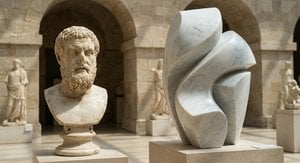
The Enduring Allure of Marble in Art History: From Classical Sculpture to Modern Abstraction
Explore the captivating history of marble sculpture from ancient Greece to modern art. Discover renowned artists like Canova & Michelangelo, carving techniques, and investment insights at ArtsDot.

Bronze Sculptures That Defined Art History | ArtsDot
Journey through art history with our Top 10 bronze sculptures! Explore masterpieces by Rodin, Michelangelo & more. Discover stories behind iconic statues and find museum-quality reproductions for your home decor at ArtsDot.com.