


 效果预览
效果预览
 分享
分享 分享
分享
 详情
详情 指南
指南

 下载
下载
 相似作品
相似作品 X射线
X射线 幻灯片播放
幻灯片播放 统计数据
统计数据Sectional View Showing Traffic Facilities
 展开详情
展开详情
艺术微喷/版画
博物馆级艺术微喷或帆布版画,制作高效,并提供多种饰面选择。 ( 购买手绘画作 切换至数字图像销售渠道)




































从与原作比例一致的预设尺寸中进行选择。

您可以输入自定义尺寸,以适配特定的画框或空间。如果您选择的尺寸与原图比例不符,我们将对作品进行裁剪,或通过镜像填充/纯色填充边缘的方式来扩展图像。在开始制作之前,我们会向您发送一份数字效果图供您确认。
请注意,屏幕上的预览并不能反映实际的裁剪或扩展效果。只有效果图才能准确展示最终的构图。
虽然我们提供定制尺寸,但为了保持原图比例,我们建议您从预设列表中选择尺寸。


 玻璃选项仅适用于110厘米以下的尺寸。

Sectional View Showing Traffic Facilities
艺术微喷/版画
复制品尺寸
-


最终总价
$ 62
相似艺术品


艺术家简介
The Architect of the Urban Soul
Born in the industrial heart of Rock Island, Illinois, in 1867, Harry Pettit emerged as a visionary whose brush and pen did more than merely record the physical world; he captured the very pulse of an era. His early life was steeped in the wonder of a rapidly advancing century, fueled by the fantastical engineering marvels found in the tales of Jules Verne. This fascination with technological progress and the structural integrity of the modern age became the cornerstone of his artistic identity. Before he became a celebrated chronicler of New York’s skyline, Pettit honed his craft through delicate landscape sketches and rigorous architectural studies, developing an eye for the intersection where human ingenuity meets aesthetic grace.
As the 20th century progressed, Pettit transitioned from a student of nature to a master of the built environment. His career reached its zenith during the 1930s, a period defined by the soaring ambitions of the Art Deco movement. It was during this transformative decade that Pettit entered into a profound creative partnership with George Platt Lynes. Together, they produced a series of breathtaking depictions of New York City’s most iconic landmarks. Through their collaborative lens, structures like the Chrysler Building, Grand Central Terminal, and the legendary Brooklyn Bridge were transformed from mere steel and stone into living, breathing monuments of human aspiration. His work during this time did not just document urban expansion; it celebrated the dynamism and spirit of a city in motion.
Mastery of Line and Light
The technical brilliance of Pettit’s oeuvre lies in his ability to marry the cold precision of engineering with the fluid beauty of fine art. He possessed a rare talent for translating complex blueprints and technical photographs into visually arresting compositions. His preferred medium—a sophisticated combination of watercolor and ink washes—allowed him to achieve an extraordinary tonal range. This technique enabled him to render the heavy, textured surfaces of masonry alongside the ethereal, light-catching edges of steel girders with astonishing accuracy.
To observe a Pettit original is to witness a meticulous study of detail. Whether he was presenting a Sectional View Showing Traffic Facilities or a sweeping vista of the Manhattan Bridge plaza, his work maintained a consistent standard of excellence characterized by:
- Meticulous Draughtsmanship: An unwavering commitment to the structural truth of every arch and pillar.
- Tonal Depth: The use of delicate washes to create atmosphere, shadow, and a sense of three-dimensional space.
- Urban Precision: A capacity to capture the intricate textures of urban life, from the grit of the streets to the polished grandeur of civic monuments.
A Legacy of Humanist Design
Beyond the technical mastery of his illustrations, Harry Pettit’s historical significance is rooted in his role as an advocate for thoughtful urbanism. He did not view architecture as an isolated feat of engineering, but as a vital component of the human experience. His contributions to urban planning discussions during periods of massive civic expansion reflected a deeply humanist perspective. He believed that the grand designs of the city should ultimately serve the needs of its inhabitants, promoting accessibility and enhancing the collective quality of life.
Today, Pettit’s work serves as a nostalgic yet profound window into the soul of early 20th-century America. His renderings remain essential historical documents that capture the transition from the industrial age to the modern metropolis. Through his eyes, we see not just the bones of our cities, but the dreams and the enduring spirit of the people who built them. He remains a pivotal figure whose legacy is etched into the very skyline he so lovingly documented.

harry pettit
1867 - 1941 , United States of America
艺术家简介
- Artistic Movement Or Style: Urban Planning
- Artists Or Movements Influenced By This Artist: ['Bauhaus']
- Artists Who Influenced This Artist: ['Frank Lloyd Wright']
- Date Of Birth: 1867
- Full Name: Harry Pettit
- Nationality: American
- Notable Artworks: ['Brooklyn Bridge Renderings']
- Place Of Birth: Rock Island, United States of America
相关文章

Concrete Visions: Exploring the Urban Landscape in Painting – From Realism to Contemporary Art
Explore the evolution of cityscape painting from Realism to contemporary art with ArtsDot. Discover key artists & invest in timeless urban visions. Expert guidance, museum-quality reproductions.

Urban Visions: A Historical & Artistic Exploration of the Cityscape in Painting
Explore the evolution of cityscape painting from historical maps to Impressionist masterpieces. Discover artists like Caillebotte & Utrillo. Find museum-quality reproductions at ArtsDot.

Concrete Visions: Exploring Representations of Urban Life in Modern & Contemporary Art
Explore the evolution of cityscape painting from Realism to contemporary art. Discover key artists & invest in timeless urban visions with ArtsDot's expert guidance and museum-quality reproductions.
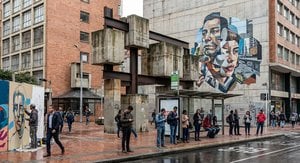
Concrete Narratives: Exploring Urban Life in Modern & Contemporary Art
Explore the evolution of cityscape painting with ArtsDot. Discover key artists from Realism to contemporary movements & invest in timeless urban visions. Expert guidance, museum-quality reproductions.