

 分享
分享 分享
分享
 详情
详情 指南
指南

 下载作品
下载作品
 相似作品
相似作品 幻灯片播放
幻灯片播放 问答
问答 统计数据
统计数据Square tray with

- 22.0 x 17.0 cm


 展开全文
展开全文
艺术微喷/版画
博物馆级艺术微喷或帆布版画,制作高效,并提供多种饰面选择。 ( 订购纯手工绘制画作 切换至数字图像销售渠道)




































您可以从与原作比例一致的预设尺寸中进行选择。

请输入您所需的宽度和高度,以适配您的画框或墙面。由于印刷品只能进行裁剪,无法超出原图尺寸,因此若比例不一致,画面的一部分将会被裁切。在正式印刷之前,我们会为您发送一份数字效果图供您确认。本页面显示的图片并非最终裁剪后的效果——只有效果图才能展示真实的裁剪情况。


 玻璃选项仅适用于110厘米以下的尺寸。

Square tray with
艺术微喷/版画
复刻品尺寸
-


最终结算价
¥ 423
The Soul of Simplicity: A Masterpiece of Mingei Tradition
In the quiet intersection of utility and artistry lies this exquisite Square Tray, a profound testament to the vision of Hamada Shōji. Created in 1960, this ceramic piece is far more than a mere vessel; it is an embodiment of the mingei philosophy—the Japanese movement dedicated to finding sublime beauty in the functional objects crafted by anonymous artisans for everyday use. The tray’s form, characterized by straight, upright sides and uniquely angled cuboid feet, draws direct inspiration from the historic Tamba Ware square dishes. This connection to the past allows the piece to act as a bridge between the ancient traditions of Japanese pottery and the mid-century modern aesthetic, making it an essential acquisition for those who appreciate art that breathes with history.
The tactile allure of the tray is immediate, inviting the viewer to contemplate the earthy, grounded nature of its medium. Rendered in deep, warm tones of clay-brown, the surface serves as a canvas for subtle, rhythmic decorations. Two soft yellow motifs dance across the center and periphery, providing a gentle contrast that illuminates the matte texture of the stoneware. These delicate applications of color are not merely decorative; they represent the spontaneous, unpretentious spirit of the Mashiko pottery tradition, where the hand of the maker is felt in every stroke. For the interior designer, this piece offers a sophisticated focal point that brings an organic, wabi-sabi elegance to any contemporary setting.
To possess a reproduction of such a significant work is to invite the meditative calm of the mingei movement into one's personal space. Hamada Shōji’s legacy is defined by this very balance: the ability to elevate the mundane into the monumental through honest technique and a deep respect for natural materials. This square tray, with its sturdy geometry and soulful ornamentation, resonates with an emotional depth that transcends time. It serves as a reminder that true luxury is found not in opulence, but in the quiet, enduring strength of well-crafted objects that honor both the earth from which they came and the hands that shaped them.
常见问题与解答
Hamada Shōji 的《Square tray with》 的创作媒介是什么?
Hamada Shōji 在作品《Square tray with》中运用了 Ceramic 技法。该技法界定了原作的材质特性。
鉴于创作日期,"Square tray with" 属于 Hamada Shōji 艺术生涯中的哪个阶段?
鉴于其创作于1960年,作品《Square tray with》属于Hamada Shōji的Mature Period时期。
建议将 Hamada Shōji 的《Square tray with》 悬挂在哪个空间?
Hamada Shōji 的《Square tray with》 的推荐陈列空间为 Dining Room。当然,该建议也可根据您的室内装饰进行灵活调整。
相似作品


艺术家简介
Hamada Shōji: A Pioneer of Mingei and the Soul of Mashiko
Born in Kawasaki, Japan, in 1894, Hamada Shōji’s life was a testament to his unwavering dedication to traditional Japanese crafts. Initially studying at Tokyo Institute of Technology under the guidance of Itaya Hazan, he quickly distinguished himself as a visionary artist deeply influenced by the burgeoning *mingei* (folk art) movement. This fascination with the beauty and functionality of everyday objects created by anonymous artisans would shape not only his artistic practice but also the very landscape of Japanese pottery.
Hamada’s early career was marked by a profound respect for the past, yet he possessed an innate desire to innovate. He spent formative years in Okinawa, immersing himself in the techniques and aesthetics of local ceramic traditions – particularly those employed in creating distinctive tableware. This experience, coupled with his time studying under Bernard Leach in England, provided him with a unique synthesis of Eastern and Western artistic sensibilities. Leach’s emphasis on simplicity, functionality, and direct engagement with materials resonated deeply with Hamada's own values, ultimately leading to the establishment of the Leach Pottery in St Ives alongside his mentor.
The Founding of Mashiko: A Center for Mingei
Returning to Japan in 1924, Hamada made a pivotal decision that would cement his legacy – he chose to establish his workshop and studio in Mashiko, a small, unassuming town nestled in Tochigi Prefecture. At the time, Mashiko was largely unknown as a pottery center, its landscape dotted with abandoned kiln sites. Recognizing the potential of this forgotten region, Hamada embarked on a mission to revive its ceramic heritage, transforming it into a world-renowned hub for *mingei* production.
He meticulously sourced his materials locally – clay from the surrounding hills, glazes derived from natural minerals, and even crafting his own brushes. This commitment to regional authenticity became a defining characteristic of his work and a cornerstone of the Mashiko pottery tradition. Hamada’s influence extended beyond simply producing beautiful ceramics; he actively encouraged local potters, fostering a sense of community and preserving traditional techniques for future generations. In 1955, this dedication was formally recognized when he was designated a “Living National Treasure,” a rare honor bestowed upon individuals who embody the spirit of Japanese craftsmanship.
A Style Defined by Simplicity and Function
Hamada Shōji’s artistic style is instantly recognizable for its profound simplicity and inherent functionality. He eschewed elaborate decoration, preferring instead to focus on the intrinsic beauty of the materials themselves – the texture of the clay, the subtle variations in glaze color, and the tactile quality of each piece. His forms are often understated yet elegant, reflecting a deep understanding of human needs and a respect for the utilitarian purpose of his creations.
His innovative techniques blended traditional Japanese methods with modern approaches. He experimented extensively with glazes, developing unique copper-green, iron, and white combinations that created stunning visual effects. Hamada’s work is characterized by a remarkable sense of balance – between restraint and expression, tradition and innovation. Notable examples include the stoneware jar, now housed in the Nelson-Atkins Museum of Art in Kansas City, and the square dish also found within their collection, both showcasing his exceptional skill and attention to detail.
Legacy and Influence
Hamada Shōji’s impact on Japanese ceramics extends far beyond his own prolific output. He was a key figure in popularizing the *mingei* movement, inspiring countless artists and shaping the course of contemporary studio pottery. His dedication to preserving traditional techniques and promoting regional crafts served as a model for future generations of artisans.
His influence can be seen in the work of other prominent potters, such as Bernard Leach, with whom he maintained a close working relationship, and Kawai Kanjiro, another key figure in the *mingei* movement. Hamada’s legacy continues to resonate today, reminding us of the enduring value of craftsmanship, simplicity, and connection to one's cultural heritage. His work remains a testament to his artistic vision and his profound contribution to the world of ceramics.

Hamada Shōji
1894 - 1978 , Japan
艺术家简介
- Full Name: Hamada Shōji
- Nationality: Japanese
- Date Of Birth: 1894
- Date Of Death: 1978
- Place Of Birth: Matsue, Japan
- Notable Artworks:
- Stoneware jar
- Square dish
- Artistic Movement Or Style: Mingei pottery, Studio pottery
- Artists Who Influenced This Artist: ['Kawai Kanjirō']
- Artists Or Movements Influenced By This Artist: ['Bernard Leach']
相关文章

The Golden Hue: Exploring Symbolism & Emotion in Yellow Art
Explore the rich symbolism & emotional power of yellow in art history! From Van Gogh to Kandinsky, discover how artists used this vibrant hue. Expert analysis & high-quality reproductions at ArtsDot.

Golden Hues: 10 Masterpieces Dominated by Chrome Yellow | ArtsDot
Immerse yourself in golden light! Explore 10 famous paintings dominated by 'Chrome Yellow', from Van Gogh’s Sunflowers to Monet's Haystacks. Discover the stories behind these iconic Impressionist & Post-Impressionist masterpieces and find museum-quality art reproductions at ArtsDot.com.

Earthy Hues & Masterpieces: Top 10 Paintings Dominated by Clay Tones |
Explore 10 iconic paintings dominated by rich clay tones – from Rembrandt's warmth to Van Gogh’s earthy landscapes. Discover art history, techniques & find museum-quality reproductions at . Explore the full collection online!
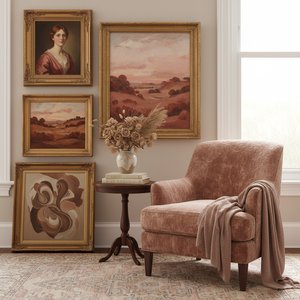
Rosy Brown Hues: 10 Master Paintings & Timeless Decor Ideas |
Explore 10 iconic paintings bathed in captivating rosy brown tones! From Rembrandt to Titian, discover the stories behind these masterpieces & their warm color palettes. Find museum-quality art reproductions and decor inspiration at .
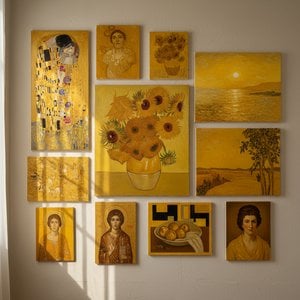
Golden Hues: Top 10 Paintings Dominated by Yellow Ochre |
Explore 10 iconic paintings bathed in golden yellow ochre! From Van Gogh's sunflowers to Monet’s haystacks, discover the stories behind these masterpieces. Find museum-quality art reproductions & elevate your home decor on .