效果预览
效果预览
 购买手绘画作
 分享
分享 分享
分享
 详情
详情

 下载
下载
 相似作品
相似作品 X射线
X射线 幻灯片播放
幻灯片播放Study for
 Acrylic On Canvas
- WallArt
- Art Nouveau
 1906
1906 44.0 x 31.0 cm
 加拿大国家美术馆
 展开详情
展开详情




P118B $10

P118H $10

P118W $10

P438Z $10

P508JH $12

P508YH $12

P805H $10

P805Z $10

P919BZ $10

P919G $10

P919XJ $10

P959ZH $10

P968JZ $12

W106C $8

W218G $10

W218JH $8

W218Y $10

W307PJ $10

W316G $10

W316PJ $8

W316Y $10

W398PJ $8

W4111J $10

W500HY $15

W500JH $15

W692G $12

W849H $8

W940BG $15

W953PJ $8




从与原作比例一致的预设尺寸中进行选择。

您可以输入自定义尺寸,以适配特定的画框或空间。如果您选择的尺寸与原图比例不符,我们将对作品进行裁剪,或通过镜像填充/纯色填充边缘的方式来扩展图像。在开始制作之前,我们会向您发送一份数字效果图供您确认。
请注意,屏幕上的预览并不能反映实际的裁剪或扩展效果。只有效果图才能准确展示最终的构图。
虽然我们提供定制尺寸,但为了保持原图比例,我们建议您从预设列表中选择尺寸。


 玻璃选项仅适用于110厘米以下的尺寸。

Study for
艺术微喷/版画
复制品尺寸
-


最终总价
$ 62
藏品详情
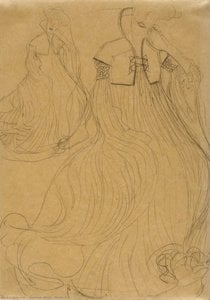
A Moment of Quiet Contemplation: Klimt’s Intimate Study
This exquisite study, executed in 1906 by the Austrian Symbolist painter Gustav Klimt, offers a rare glimpse into the artist's process and a poignant meditation on domesticity and introspection. The drawing captures a woman seated comfortably in bed, her posture relaxed yet alert, a book resting gently upon her lap. The scene is deceptively simple, yet brimming with subtle details that speak volumes about Klimt’s evolving artistic vision and his fascination with the human psyche. It's not merely a portrait; it’s a carefully constructed tableau designed to evoke a specific mood – one of quiet contemplation, perhaps even melancholy.
- Subject Matter: The central figure embodies a sense of private intimacy, removed from the bustling world outside. Her attire, though understated, hints at a certain elegance and suggests a life lived within comfortable means.
- Composition: Klimt’s masterful use of space draws our eye to the woman as the focal point, while the surrounding furniture – a chair, couches, and a clock – subtly frame her and establish a domestic setting. The placement of these elements creates a sense of depth and anchors the scene within a recognizable, yet idealized, interior.
- Preliminary Sketch: As a study, this piece reveals Klimt’s initial explorations before committing to the larger, more elaborate works that would define his mature style. Notice the loose lines and expressive shading – evidence of the artist wrestling with form and capturing the essence of his subject.
The Language of Gold: Style and Technique
Klimt’s artistic journey was marked by a constant experimentation, culminating in his signature style that blended Symbolism, Art Nouveau, and elements of Byzantine art. This study demonstrates a crucial transitional phase. While still rooted in the realism of his earlier works, we begin to see the seeds of the opulent ornamentation and decorative patterns that would characterize his later masterpieces, particularly “The Kiss.” The use of charcoal is deliberate; it provides a foundation for layering and building up tonal values, allowing Klimt to capture both the softness of the woman’s skin and the texture of the fabrics. Crucially, this piece foreshadows the incorporation of gold leaf – a technique he would fully embrace in his final paintings—though its presence here is subtle, hinting at the richness that was to come.
Technique Notes:- Charcoal Rendering: Klimt’s skillful use of charcoal creates a remarkable sense of depth and volume.
- Loose Lines: The loose, expressive lines reflect the artist's intuitive approach to capturing the subject's mood and personality.
- Preliminary Study: This piece serves as a vital document in understanding Klimt’s creative development.
Symbolism and Context – A Window into Klimt’s World
To understand this study fully, we must consider the broader context of Klimt's life and artistic concerns during this period. Vienna at the turn of the century was a city undergoing rapid social and cultural change—a vibrant hub of art, music, and intellectual discourse. Klimt, like many artists of his generation, was deeply engaged with these developments, exploring themes of sexuality, mortality, and the search for meaning in a rapidly modernizing world. The woman in this drawing could be interpreted as representing the ideal of feminine beauty – a figure both vulnerable and strong, caught in a moment of quiet reflection. The clock, a recurring motif in Klimt’s work, often symbolizes the passage of time and the inevitability of death. It serves as a subtle reminder of life's fleeting nature.
Historical Context:- Fin de Siècle Vienna: The artwork reflects the artistic and intellectual ferment of Vienna at the turn of the century.
- Symbolism & Modernity: Klimt’s work engages with themes of beauty, mortality, and the complexities of modern life.
Emotional Resonance – A Portrait of Inner Life
Despite its seemingly simple subject matter, this study possesses a remarkable emotional depth. The woman's gaze is averted, suggesting a private world of thoughts and feelings. The arrangement of the room—the comfortable furniture, the book in her lap—creates an atmosphere of intimacy and tranquility. Klimt masterfully captures not just a physical likeness but also a sense of inner life – a quiet moment of contemplation that invites the viewer to share in the woman’s solitude. This reproduction offers a unique opportunity to connect with one of Klimt's most intimate and revealing works, bringing a touch of timeless beauty and profound introspection into your home or studio.
相似艺术品



艺术家简介
克利姆特:金色的象征主义与维也纳分离派的先驱
古斯塔夫·克利姆特(Gustav Klimt,1862-1918)是奥地利最杰出的画家之一,也是维也纳分离派运动的核心人物。他以其独特的风格——融合了象征主义、装饰艺术和大胆的色彩运用而闻名于世。从他在巴姆加腾(Baumgarten)的童年时光开始,克利姆特的人生轨迹就与艺术紧密相连。他的父亲是一位金箔雕刻师,这种职业对年轻的古斯塔夫产生了深远的影响,使他对金色材质和精细的工艺产生了浓厚的兴趣。早年在维也纳应用美术学校接受正规训练,他掌握了建筑绘画的基础技能,但很快便意识到传统的学术风格无法满足其艺术追求。与兄弟埃尔内斯特·克利姆特以及弗朗茨·马奇合作成立“艺术家公司”,为公共建筑创作壁画和天花板装饰,为其后来的成功奠定了基础。维也纳分离派的诞生与克利姆特的革新
19世纪90年代末,克利姆特对维也纳保守的艺术界日益感到失望。他渴望更大的创作自由,一个能够孕育创新和突破传统的空间。这种渴望最终促成了维也纳分离派的成立,这是一个旨在挑战传统学术规范、拥抱新艺术运动(Art Nouveau)、象征主义以及日本艺术的先锋团体。克利姆特当选为分离派的首任主席,成为这场艺术革命的旗帜人物。他与约瑟夫·马里亚·奥尔布里希设计的展览大楼共同象征着分离派对传统的反叛和对现代艺术的拥抱。克利姆特的画作成为了分离派精神的集中体现,它摒弃了传统的审美标准,大胆运用装饰元素、鲜艳色彩和象征性意象。他以前所未有的坦率探索爱情、死亡和性欲等主题,挑战着社会规范,引发了赞赏与争议并存的强烈反响。金色时期的辉煌:金箔与图案的交织
进入20世纪初,克利姆特迎来了他艺术生涯中的“金色时期”,这一时期以其对金箔的大胆运用而著称。受到拜占庭马赛克和中世纪手抄本的影响,克利姆特将金箔融入到他的画作中,创造出一种闪耀、超凡脱俗的视觉效果,赋予作品深刻的精神内涵和感性的魅力。《吻》(The Kiss)无疑是这一时期的代表作,它描绘了一对情侣在金色光环中紧密相拥,他们的身体被精美复杂的图案所装饰。除了肖像画之外,克利姆特也创作了许多令人惊叹的作品,例如《阿德尔·布洛赫-鲍尔一世》(Portrait of Adele Bloch-Bauer I),展现了他捕捉人物外貌和心理复杂性的非凡能力。他逐渐模糊了绘画与装饰之间的界限,将装饰元素融入到他的构图中,创造出一种和谐统一的形态与内容的融合。日本艺术的影响也随处可见,体现在他对透视的扁平化处理、对线条的强调以及对装饰图案的使用上。争议、影响与永恒的遗产
克利姆特的职业生涯并非一帆风顺。1900年,他获得了为维也纳大学大礼堂创作壁画的殊荣,但这些作品——尤其是《哲学》——因其挑衅性的主题和色情内容而受到保守评论家的强烈批评,引发了公众的抗议,最终导致克利姆特放弃了进一步的公共委托。这一事件标志着他职业生涯的一个转折点,将他推向了更加私人的赞助人和更大的艺术自由。在漫长的职业生涯中,克利姆特受到众多艺术家和风格的影响——从汉斯·马卡特的历史画作到拜占庭和日本的装饰艺术。他还从象征主义运动中汲取灵感,探索神话、寓言和潜意识的主题。尽管他一生鲜少公开谈论个人生活,但与多位女性的关系以及育有十四个孩子的传闻也为他的艺术生涯增添了神秘色彩。1918年2月6日,克利姆特因中风并发西班牙流感去世,结束了他辉煌而充满争议的艺术生涯。他现在被公认为奥地利艺术史上的重要人物之一,维也纳分离派运动的领军人物,以及新艺术风格永恒的象征。他的画作在拍卖会上屡创天价,其影响持续至今,体现在当代艺术和设计中。关键特征与艺术风格
- 象征主义:克利姆特的作品深受象征主义的影响,经常探索爱情、死亡、性欲以及人类生存状态等主题。
- 新艺术运动:他是新艺术运动的重要代表人物,其特点是流畅的线条、装饰图案和对美的强调。
- 金色时期:他对金箔的大胆运用创造了闪耀而华丽的表面,成为了他独特的标志性风格。
- 装饰元素:克利姆特将装饰元素融入到他的作品中,模糊了绘画与装饰之间的界限。
- 女性形象:女性身体是其作品中的一个核心主题,经常以性感和心理深度来描绘。

古斯塔夫·克林姆特
1862 - 1918 , 奥地利
艺术家简介
- Artistic Movement Or Style: 象征主义,新艺术运动
- Artists Or Movements Influenced By This Artist:
- 埃贡·席勒
- 表现主义
- 超现实主义
- Artists Who Influenced This Artist:
- 汉斯·马卡特
- 日本艺术
- 拜占庭艺术
- Date Of Birth: 1862年7月14日
- Date Of Death: 1918年2月6日
- Full Name: 古斯塔夫·克林姆特
- Nationality: 奥地利人
- Notable Artworks: ['吻', '阿德尔·布洛赫-豪斯一世', '水蛇', '哲学']
- Place Of Birth: 奥地利维也纳附近的鲍姆加滕
相关文章

古斯塔夫·克林姆:25幅大师级杰作,点亮您的艺术生活 | ArtsDot
探索古斯塔夫·克林姆25幅传世名画,领略维也纳分离派的金色辉煌!深入了解每一件艺术品的创作故事与象征意义。ArtsDot.com提供博物馆级高质量复制品,为您的家居带来艺术灵感。立即在线探索完整系列!

艺术新潮的十个杰作:定义时代的华丽与创新
探索艺术新潮的十个杰作!高更、慕夏、克里姆特等大师作品,揭秘其背后的故事与精湛技艺。从优雅曲线到绚丽色彩,感受现代艺术的魅力。ArtsDot.com为您提供博物馆品质的艺术品复制和家居装饰灵感。在线探索完整系列!

象征主义艺术:十部定义流派的杰作,点亮您的格调品味
探索象征主义艺术的巅峰!本文精选十部定义流派的杰作,带您领略莫迪利亚尼、普桑等大师的神秘世界。深入了解其背后的故事与技法,感受色彩与符号带来的深刻情感。ArtsDot.com为您提供博物馆品质的艺术品复制和家居装饰灵感,尽在其中!

Gustav Klimt: A Golden Legacy of Sensuality & Symbolism in Viennese Art
Explore the captivating world of Gustav Klimt with ArtsDot. Discover his iconic paintings, the Vienna Secession movement, & enduring legacy. High-quality reproductions available.

达芬奇25幅杰作:艺术、科学与永恒的辉煌 | ArtsDot
探索达芬奇25幅杰作!深入了解文艺复兴大师列奥纳多·达·芬奇的艺术传奇,欣赏《蒙娜丽莎》、《最后的晚餐》等经典绘画。ArtsDot.com提供博物馆级复制品和家居装饰灵感。在线探索完整系列!