


 购买版画
购买版画 分享
分享 分享
分享
 Details

 下载
下载
 相似作品
相似作品 X-Ray
X-Ray 幻灯片播放
幻灯片播放Self-portrait
 Oil On Canvas
- WallArt
- High Renaissance
 1510
1510 52.0 x 43.0 cm
 Herzog Anton Ulrich Museum




P118B $10

P118H $10

P118W $10

P438Z $10

P508JH $12

P508YH $12

P805H $10

P805Z $10

P919BZ $10

P919G $10

P919XJ $10

P959ZH $10

P968JZ $12

W106C $8

W218G $10

W218JH $8

W218Y $10

W307PJ $10

W316G $10

W316PJ $8

W316Y $10

W398PJ $8

W4111J $10

W500HY $15

W500JH $15

W692G $12

W849H $8

W940BG $15

W953PJ $8




 了解更多
了解更多从与原作比例一致的预设尺寸中进行选择。

您可以输入自定义尺寸,以适配特定的画框或空间。如果所选尺寸与原图比例不符,我们将通过裁剪作品或添加手绘元素来扩展画面。数字样稿将在制作开始前发送给您确认。
请注意,屏幕预览无法准确反映实际的裁剪或扩展效果,只有样稿才能真实呈现最终的构图。
虽然我们提供定制尺寸服务,但为了保留原作比例,建议您从预设列表中选择尺寸。
下单后,ArtsDot.com 团队将通过电子邮件联系客户获取具体要求,并提供效果预览图。


 玻璃选项仅适用于110厘米以下的尺寸。

Self-portrait
复制材质
复制品尺寸
-


最终总价
-
作品详情
Self-Portrait by Giorgione: An Enigma of Venetian Renaissance
Giorgio Barbarelli da Castelfranco, universally known as Giorgione, remains one of the most elusive figures in the artistic panorama of the High Renaissance. Born around 1477 or 1478 in Castel Franco Veneto – a precise date stubbornly resisted by scholarly debate – his tragically curtailed life, concluding circa 1510 at the age of thirty-two or thirty-three, belies an artistic legacy that continues to fascinate and inspire centuries later. Unlike many contemporaries whose biographies unfold with relative clarity, Giorgione’s story is shrouded in obscurity, pieced together from fragmentary archival records and romanticized accounts primarily attributed to Giorgio Vasari.
His formative years were spent immersed within the vibrant cultural milieu of Venice, a city renowned for its patronage of artistic innovation alongside an ardent appreciation for sensual beauty. Evidence suggests he apprenticed under Giovanni Bellini, a titan of Venetian painting, absorbing the established stylistic conventions before forging his own distinctive voice—a voice characterized by profound introspection and a masterful manipulation of color and light.
Style and Technique: Venetian Luminosity
Giorgione’s artistic approach embodies the quintessential tenets of Venetian Renaissance style. He skillfully blended influences from Leonardo da Vinci's sfumato technique – achieved through subtle gradations of tone to create hazy, atmospheric effects – with Bellini’s meticulous realism. This fusion resulted in a visual language that prioritized mood and emotion over strict anatomical accuracy. The “Self-Portrait,” housed at the Herzog Anton Ulrich Museum in Braunschweig, exemplifies this ethos perfectly.
Executed in oil on canvas, the painting demonstrates remarkable textural detail achieved through deliberate brushstrokes—a hallmark of Giorgione’s oeuvre. Careful observation reveals a masterful rendering of light and shadow, sculpting the face and hair with an expressive dynamism that transcends mere representation. The dark background serves as a counterpoint to the luminous flesh tones, drawing attention to the central figure and amplifying its psychological depth.
Historical Context: Venice at Its Zenith
The painting’s creation coincided with Venice's apex of artistic and economic power during the Renaissance. The Serenissima Republic was a crucible for humanist thought and artistic experimentation, attracting artists from across Europe eager to engage with its intellectual ferment. Giorgione’s Venetian surroundings undoubtedly informed his aesthetic sensibilities, fostering a preoccupation with idealized beauty and conveying a sense of contemplative melancholy—themes prevalent in Renaissance portraiture.
Symbolism: The Face of Uncertainty
The sitter's gaze directs off to the side, avoiding direct confrontation with the viewer – a gesture that speaks volumes about Giorgione’s artistic intention. This subtle compositional choice underscores the inherent ambiguity of human experience and invites contemplation on themes of identity and self-awareness. Furthermore, the garment—a rich green adorned with a scarlet collar—suggests an awareness of aristocratic status and perhaps hints at references to classical mythology, mirroring prevalent artistic conventions of the period.
Emotional Impact: A Window into Renaissance Soul
“Self-Portrait” transcends mere visual depiction; it is a profound meditation on human psychology. Giorgione’s masterful use of color and brushwork evokes a palpable sense of melancholy—a characteristic emotion explored extensively by artists during the Renaissance as they wrestled with questions of mortality and spiritual contemplation. The painting remains an enduring testament to the humanist spirit of its time, inviting viewers to engage in a dialogue about the complexities of human consciousness.
相似艺术品


艺术家简介
乔尔吉奥内:威尼斯文艺复兴的诗意灵魂
乔尔吉奥·巴尔巴雷利·达·卡斯泰弗兰科,艺术界尊称乔尔吉奥内,是文艺复兴时期威尼斯画派最具魅力、最神秘的人物之一。他生于1477年或1478年左右的卡斯泰弗兰科镇,一个靠近威尼斯的宁静小镇,却以其短暂而辉煌的一生(英年早逝于1510年)深刻地影响了西方艺术史。与许多同时代的艺术家不同,乔尔吉奥内的人生轨迹笼罩在迷雾之中,我们所知的大部分信息都来自乔治·瓦萨里的记载以及后世的推测和解读。然而,正是这种神秘感,为他的作品增添了一层难以言喻的诗意与魅力。他似乎天生就属于威尼斯这座城市,一个孕育着艺术创新、崇尚美感的文化中心。他很可能在约翰·贝利尼这位威尼斯绘画大师的指导下学习,汲取了传统技法,却又大胆地开辟了自己的道路。早期的作品,如为当地官员创作的肖像画,展现了他捕捉人物神韵和地位的卓越天赋。然而,真正使乔尔吉奥内脱颖而出的是他对于题材的突破以及绘画风格上的革新。色彩与氛围:乔尔吉奥内的艺术语言
乔尔吉奥内的艺术风格是对当时盛行的佛罗伦萨画派强调线性透视和精确素描传统的有力挑战。他推崇色彩、氛围,以及一种引人入胜的忧郁情绪,这些都成为了威尼斯画派的标志性特征。他的绘画技巧在于柔化轮廓线,运用微妙的色调渐变——晕染法(*sfumato*)——来营造出迷人的大气效果,并且更注重整体的和声统一而非一丝不苟的细节描绘。这种手法并非单纯的技术选择,而是反映了一种截然不同的艺术理念。乔尔吉奥内追求的不是对现实的精确复制,而是捕捉其本质、瞬间的情感以及诗意的共鸣。他的作品往往呈现出神秘莫测的主题和模糊不清的故事线索,邀请观者进入一个充满沉思的世界,而非提供明确的叙事。《暴风雨》,或许是他最负盛名的作品,完美地体现了这一点。画面中,一位士兵和一位哺乳期的母亲置身于狂风暴雨的景象之中,其含义几个世纪以来一直困扰着艺术史学家,始终难以捉摸。同样,《田园音乐会》(Fête champêtre)则呈现出一幅宁静祥和的田园场景,画中乐手们演奏着悠扬的旋律,其价值不在于具体的故事情节,而在于和谐的构图和抒情的意境。这些作品并非旨在为观者提供谜题,而是为了唤起情感、营造氛围,并激发一种惊叹之情。杰作与持久的影响
尽管他的创作生涯因英年早逝而短暂,乔尔吉奥内却留下了少量但极具影响力的艺术作品。《沉睡的维纳斯》,很可能在乔尔吉奥内去世后由提香协助完成,是女神形象的经典描绘,充分展现了他对色彩和造型的精湛掌握。维纳斯的慵懒姿态和柔滑肌肤色调,体现了威尼斯人对感性和美的推崇。其他值得关注的作品包括《犹狄斯》,这是他风格发展的早期作品,以及肖像画,这些作品展现了他捕捉人物神韵和内在气质的敏锐能力。乔尔吉奥内的影响远不止于他的绘画作品。他是提香的导师,这位后来成为文艺复兴时期最受赞誉的艺术家之一,继承并发展了乔尔吉奥内色彩与氛围方面的创新。他对色彩和氛围的强调深刻地影响了威尼斯画派的发展,使其区别于佛罗伦萨传统,并将威尼斯确立为艺术创新的重要中心。历史意义:一位诗意的先驱
尽管职业生涯短暂,乔尔吉奥内在艺术史上占据着举足轻重的地位。他连接了早期的威尼斯绘画传统与提香及其他后代大师的创新,从根本上改变了意大利绘画的发展轨迹。他对诗意氛围、大气效果和模糊叙事的强调为新的艺术探索铺平了道路,并激励了一代又一代的艺术家。围绕他人生和作品的神秘感,也为其增添了持久的魅力。他象征着艺术自由、创新以及暗示的力量——一位敢于将情感置于形式之上、氛围置于精确性之上、诗意置于叙事的画师。乔尔吉奥内主要作品
- 《暴风雨》 (约1506-1508)
- 《田园音乐会》 (Fête champêtre) (约1509)
- 《沉睡的维纳斯》 (约1510)
- 《犹狄斯》 (1504)
- 《一位威尼斯绅士的肖像》

乔尔乔内
1477 - 1510 , 意大利
艺术家简介
- Artistic Movement Or Style: 文艺复兴时期,威尼斯画派
- Artists Or Movements Influenced By This Artist:
- 提香
- 威尼斯画派
- Artists Who Influenced This Artist: ['乔瓦尼·贝利尼']
- Date Of Birth: 约1477/78年
- Date Of Death: 1510年
- Full Name: 乔尔吉奥内 (Giorgione)
- Nationality: 意大利人
- Notable Artworks:
- 《暴风雨》
- 《田园音乐会》
- 《沉睡的维纳斯》
- 《犹狄丝》
- Place Of Birth: 卡斯泰弗兰科·韦通(Castelfranco Veneto),意大利
相关文章

Exposing the Fragile Self: Vulnerability & Intimacy in Art History
Explore the captivating history of vulnerability in art! Discover Renaissance self-portraits, medieval emotional expression & symbolic allegory. Expert analysis at ArtsDot.


光影之都:威尼斯文艺复兴艺术运动的创新之路 (1430–1580)
深入探索1430–1580年威尼斯文艺复兴艺术运动的创新之路。了解乔尔乔内、提香等大师的绘画技法与作品魅力,为您的艺术收藏提供专业指导和投资建议。
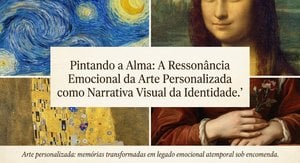
The Resonance of Self: Exploring the Psychological and Aesthetic Dimensions of Personalized Art Commissions
Discover the power of personalized art commissions with ArtsDot.com. Collaborate with skilled artists to create unique portraits that capture your story and elevate your space. Expert guidance & lasting value.

Giorgione: Enigma and Innovation in Early Venetian Renaissance Painting
Explore the enigmatic world of Giorgione, a pivotal figure in the Venetian Renaissance. Discover his innovative techniques, iconic paintings like 'The Tempest', and lasting influence on art history. Learn more at ArtsDot.

Titian: Innovation, Technique & the Venetian Renaissance Portrait Tradition
Explore the revolutionary techniques & enduring legacy of Titian, the master of Venetian Renaissance portraiture. Discover insights for collectors & appreciate his impact on art history.



