

 实景预览
实景预览
 分享
分享 分享
分享
 详情
详情 指南
指南

 下载作品
下载作品
 相似作品
相似作品 X射线
X射线 幻灯片播放
幻灯片播放 问答
问答 统计数据
统计数据untitled (2561)


 展开全文
展开全文
艺术微喷/版画
博物馆级艺术微喷或帆布版画,制作高效,并提供多种饰面选择。 ( 订购纯手工绘制画作 切换至数字图像销售渠道)




P118B ¥10

P118H ¥10

P118W ¥10

P438Z ¥10

P508JH ¥12

P508YH ¥12

P805H ¥10

P805Z ¥10

P919BZ ¥10

P919G ¥10

P919XJ ¥10

P959ZH ¥10

P968JZ ¥12

W106C ¥8

W218G ¥10

W218JH ¥8

W218Y ¥10

W307PJ ¥10

W316G ¥10

W316PJ ¥8

W316Y ¥10

W398PJ ¥8

W4111J ¥10

W500HY ¥15

W500JH ¥15

W692G ¥12

W849H ¥8

W940BG ¥15

W953PJ ¥8




您可以从与原作比例一致的预设尺寸中进行选择。

请输入您所需的宽度和高度,以适配您的画框或墙面。由于印刷品只能进行裁剪,无法超出原图尺寸,因此若比例不一致,画面的一部分将会被裁切。在正式印刷之前,我们会为您发送一份数字效果图供您确认。本页面显示的图片并非最终裁剪后的效果——只有效果图才能展示真实的裁剪情况。


 玻璃选项仅适用于110厘米以下的尺寸。

untitled (2561)
艺术微喷/版画
复刻品尺寸
-


最终结算价
¥ 422
A Quiet Revolution in Monochrome
In the vast, often turbulent landscape of early 20th-century modernism, Georges Braque’s “Untitled (2561)” stands as a profound testament to the power of restraint. At first glance, the viewer is met with a deceptively simple scene: a dog nestled peacefully among a collection of fruit—bananas and an apple—resting upon a table. Yet, beneath this charming domestic tableau lies the intellectual heartbeat of Cubism. This monochrome masterpiece eschews the distractions of vibrant color to focus the observer's gaze on the fundamental essence of form and structure. It is not merely a painting of a meal; it is a deliberate deconstruction of reality, inviting us to look past the surface and engage with the very geometry of existence.
The emotional resonance of the piece lies in its unexpected warmth. Despite the analytical nature of Braque’s approach, there is an undeniable sense of comfort and intimacy radiating from the composition. The way the dog occupies the center of the scene, surrounded by the organic shapes of the fruit, creates a sanctuary of stillness. For the collector or interior designer, this artwork offers a unique duality: it possesses the sophisticated, intellectual edge required for contemporary gallery spaces, while simultaneously providing a soulful, grounding presence that can transform a living area into a place of quiet contemplation.
The Architecture of Perception
To understand “Untitled (2561)” is to witness Braque’s mastery of analytical technique. Influenced heavily by the structural innovations of Paul Cézanne, Braque moved away from the traditional illusion of three-dimensional depth achieved through single-point perspective. Instead, he employs a method of fracturing and overlapping geometric planes. The dog’s form is not defined by soft, continuous outlines but is suggested through a rhythmic interplay of light and shadow, where shapes intersect and merge. This technique forces the eye to move dynamically across the canvas, reconstructing the subject from multiple viewpoints simultaneously.
The choice of a black and white palette is a strategic stroke of genius. By stripping away color, Braque eliminates any emotional bias that hue might impose, forcing a pure confrontation with volume and spatial recession. The shadows are not merely absences of light but are structural elements that define the weight of the apple and the curve of the bananas. This meticulous attention to the underlying architecture of the image ensures that the painting remains visually stimulating even upon repeated viewings, offering a complex puzzle of shapes that rewards the patient observer.
A Legacy of Innovation and Synergy
The historical significance of this work cannot be overstated, as it captures a pivotal moment in the dialogue between Braque and his contemporary, Pablo Picasso. During their legendary period of collaboration, the boundaries between their individual styles became famously blurred. “Untitled (2561)” embodies this era of intense artistic synergy, where the shared goal was to dismantle the "mirror" of art and replace it with a new language of symbols and structures. This piece serves as a window into that transformative epoch in France, marking the transition from the sensory delights of Fauvism to the cerebral rigor of Cubism.
For those seeking to adorn their homes with pieces of historical weight, this reproduction offers more than just aesthetic beauty; it offers a connection to the very foundations of modern vision. It is an invitation to experience the "quiet genius" of Braque—a painter who did not seek to replicate the world as we see it, but rather to reveal the hidden, structural truth that lies beneath the surface of all things.
常见问题与解答
乔治·布拉克 的《untitled (2561)》 是否属于公有领域?
乔治·布拉克 的《untitled (2561)》 属于 仍受版权保护。此版权状态决定了该作品图像的复制方式。
如何发现与 乔治·布拉克 的《untitled (2561)》 风格相近的艺术品?
乔治·布拉克 的《untitled (2561)》 的 相似作品 页面展示了相关艺术作品。
乔治·布拉克 的《untitled (2561)》展现了怎样的色彩和谐感?
"untitled (2561)" 的色彩和谐度评分为 Strong Color Unity。
相似作品


艺术家简介
早年生活、家庭与艺术启蒙
1882年,乔治·布拉克出生于法国的阿让特瓦利。他的童年时光是在法国勒阿弗尔度过的,那是一个被装饰艺术与色彩实践所定义的家庭环境。由于成长于一个由房屋油漆匠和装饰师组成的家庭,他从小就沉浸在手工艺的触感现实之中。这种家庭熏陶为他日后在画布上的艺术表达奠定了坚实的技艺基础。
在投身纯艺术领域之前,他遵循了家族的传统,作为学徒学习房屋油漆与装饰。这段体力劳动的时间赋予了他对材料及其表面物理特性的深刻理解。这种实践性的训练,让他能够从一种极其务实的视角去观察颜料如何与不同的纹理相互作用,而这种对物质性的敏锐感知,最终成为了他后期艺术实验中脱颖而出的独特特质。
1902年,他从手工艺领域转向正式的艺术学习,并移居巴黎。在雨贝尔学院,他通过系统的学术训练来磨炼自己天生的艺术倾向。这段正式的教学经历为他不断发展的艺术视野提供了必要的结构支撑,在手工涂抹颜料的实践与对构图的智性追求之间,架起了一座沟通的桥梁。
野兽主义时期与塞尚的影响
乔治·布拉克艺术生涯的早期,始终笼罩在印象派与后印象派的余晖之中。他最初的探索致力于捕捉光影与氛围那转瞬即逝的特质,然而,一种对深层结构性的渴望也随之悄然萌生。到了1905年,他转向了野兽主义的原则,开始运用更加强烈且非自然主义的色彩来传递情感。这一时期标志着他从单纯的观察者向表达者的转变,他开始将调色盘所蕴含的表现力,置于对物体写实描绘的地位之上。
这种新获得的色彩自由,在 保罗·塞尚 的作品中找到了必要的支点。乔治·布拉克被塞尚那种利用坚实的结构和审慎的色彩处理来组织视觉领域的方式深深吸引。正是这种野兽主义色彩与塞尚式几何构图的交汇,定义了他向更具革命性的视觉模式的转型。他试图在色彩的情感强度与建筑般的永恒感之间,寻找一种完美的平衡。
这种融合的成果,在他在1908年的作品 埃斯塔克小屋 中清晰可见。在这幅画作中,风景不再是柔和印象的堆砌,而是一系列色彩斑斓、倾斜的平面与几何形状。塞尚的影响在这里显而易见,地形被简化为最本质的体积感。他开始拆解传统的风景透视法,取而代之的是一种碎片化、结构化的现实,这种现实赋予了世界内在形式以至高无上的优先级。
立体主义的诞生与演进
在1907年至1914年间,巴黎成为了视觉重构的震中,而这一切的源头在于乔治·布拉克与巴勃罗·毕加索之间那场深刻的艺术协作。这段伙伴关系超越了野兽主义那种纯粹的情感宣泄,转而投向对形式更为理性的、近乎智力层面的探索。他们共同开创了“分析立体主义”,这种方法将物体拆解为破碎的几何形状;他们不再试图去复制三维空间的视觉幻象,而是试图通过同时呈现多个视角的观察,来表现物体的整体存在感。这种全新的艺术语言剥离了传统的透视法,取而代之的是由平面与线条交织而成的复杂结构。
大约到1912年,这场艺术运动经历了一次重大的转型,迈向了“综合立体主义”。这一阶段的艺术重心从对形式的拆解转向了对新意象的构建,通过组合各种不同的元素来重塑画面。乔治·布拉克是这一变革中的核心创新者,他通过将墙纸贴在素描上,创造出了最早的纸拼贴(papier collé)技术。这种将真实物质粘贴在画布表面的行为,挑战了绘画的边界,它宣告了绘画本身就是一个独立的实体,而不再是通往另一个世界的窗户。在这一时期,他的创作核心在于探讨艺术表现与所用材料的真实质感之间那种微妙而紧密的联系。
技法与艺术创新
乔治·布拉克对画布的探索,被一种对材料物理属性永无止境的好奇心所定义。他通过引入挑战深度错觉的元素,跨越了传统油画的边界。通过将报纸剪辑、墙纸和织物等现实世界的材料融入创作,他打破了画面单一的透视法。这种实验性的尝试催生了纸拼贴(papier collé)技术的诞生——这是一种通过粘贴纸张来创作的方法,使他能够将日常生活的质感直接整合进构图之中。他试图在绘画的意象与触手可及的实物之间,架起一座沟通的桥梁。
他的技法储备中蕴含着一种触觉感极强的、近乎雕塑般的敏锐感知。他经常将颜料与沙子混合,以改变画面的表面纹理,创造出一种能以意想不到的方式捕捉光影的颗粒感。为了进一步操纵观众对空间和物质性的感知,他尝试模仿木纹和理石的视觉图案。这不仅仅是一种装饰性的选择,更是一种探索不同表面如何与光线和形式相互作用的手段。此外,他还在作品中使用模板刻印的字母,这种技法为画面增添了一层平面设计的维度,并帮助构图锚定在一种现代且清晰可辨的现实之中。
- 水果盘与玻璃杯 (1912)
- 小提琴与烟斗 (1912)
- 壁炉架上的单簧管与朗姆酒瓶 (1912)
战争与风格的演变
1914年第一次世界大战的爆发,为立体主义运动那严谨的智性探索带来了一场突如其来的、剧烈的中断。乔治·布拉克被征召入伍,这段经历从根本上改变了他的身体状况与创作心境。1915年,他在战壕中遭受了严重的头部创伤,这次伤势导致他暂时失明,并不得不通过开颅手术才重新找回视力。这次与黑暗的擦肩而过,迫使他的感知发生了转变。那些定义了他早年艺术生涯的、僵硬且具有分析性的结构开始变得柔和,取而代之的是一种更加私人化、更具抒情色彩的表达方式。
从战争中归来后,他与毕加索此前那种严苛的几何约束不再是他唯一的关注点。他的风格逐渐演变,开始融入古典构图的元素,力求在作品中寻求一种更扎根于现实世界的平衡感与和谐感。他逐渐远离了纯粹智性层面的形式解构,转而拥抱一种更加细腻且富有沉思性的观察视角。他的作品不再仅仅关乎空间的破碎与重组,而是更多地转向去捕捉物体本身那份宁静而祥和的氛围。
- 带有扑克牌的静物 (1919)
重要作品与艺术遗产
乔治·布拉克的艺术生涯轨迹,通过一系列具有里程碑意义的构图得以刻画,这些作品精准地预示了他思想与技法的每一次蜕变。1908年,《埃斯塔克小屋》横空出世,画面中那些色彩斑斓、倾斜交错的平面与几何形状,标志着他彻底背离了传统的透视法则。这种探索精神在1910年的《小提琴与调色板》中得到了延续,他开始尝试运用纸张与混合媒介,深入研究色彩与形式之间微妙的互动关系。到了1911年,他的创作重心转向了对空间的解构,在《弹吉他的男子》中,他展现了与同时代艺术家共同开创的分析式立体主义精髓。
随着创作方法的不断演进,新材料的引入彻底改变了画布的肌理。1912年的作品《果盘与玻璃杯》见证了一场风格的转型——通过拼贴技术的运用,原本被拆解的具象主题重新回归画面。即便在战争的动荡之后,他的创作依然与早期的探索保持着内在的连结。创作于1918年的《音乐家》映射出他个人生命中的转型期,而到了晚年1955年的画作《两只鸟》,则展现了他对所选题材本质属性永恒的痴迷。
- 《曼多拉琴》(1910年)
- 《带有竖琴与小提琴的静物》(1912年)
- 《吉他》(1913年)
- 《带有扑克牌的静物》(1919年)
遗产与持久影响
直到1963年8月31日逝世之时,乔治·布拉克已经从根本上改变了我们感知与表现世界的方式。作为立体主义运动的共同奠基人,他助力拆解了长期以来对传统透视法的依赖,取而代之的是一种碎片化、多维度的现实。他的作品早已超越了对自然的单纯模仿,转而通过对形式与空间的严谨研究,力求捕捉物体的本质。这种转变,为二十世纪的视觉语言带来了永久性的变革。
他对后世艺术家产生的影响是无法估量的。通过引入纸拼贴技术并将日常材料融入构图,他在画布与真实世界之间架起了一座桥梁。这一创新挑战了绘画定义的边界,为未来对纹理与物质性的探索铺平了道路。即便在晚年,当他的风格向更加抒情与宁静的主题演变时,其立体主义根基所蕴含的结构完整性,依然贯穿于他的艺术创作之中。
- 埃斯塔克小屋
- 弹吉他的男人
- 果盘与玻璃杯
- 小提琴与烟斗
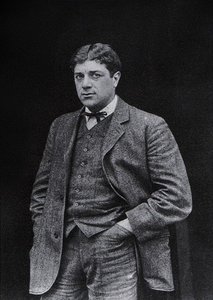
乔治·布拉克
1882 - 1963 , 法国
艺术家简介
- Artistic Movement Or Style:
- 野兽主义
- 立体主义
- 分析立体主义
- 综合立体主义
- Artists Or Movements Influenced By This Artist: ['现代艺术']
- Artists Who Influenced This Artist:
- 亨利·马蒂斯
- 安德烈·德雷恩
- 保罗·塞尚
- Date Of Birth: 1882
- Date Of Death: 1963
- Full Name: 乔治·布拉克
- Nationality: 法国
- Notable Artworks:
- 埃斯塔克小屋
- 耐心
- 小提琴与调色板
- 曼多拉
- Place Of Birth: 法国,阿让特瓦利
相关文章

高檔藝術品複製技術:Giclée微噴的檔案品質與鑑賞細節
深入了解Giclée微噴技術:檔案品質、色彩還原的專業解析。探索高檔藝術品複製的細節與保存技巧,為您的收藏提供博物館級別的選擇。專家指導,確保完美呈現原作神韻。

The Enduring Legacy of Fine Art Prints: Technique, History & Aesthetic Impact
Explore the rich history & techniques of fine art prints. Discover investment potential, assess authenticity, and learn how to preserve your collection with expert guidance. Trusted insights for discerning collectors.

The Bountiful Still Life: Symbolism & Artistic Representation of Fruit Across Art History
Explore the rich history of still life painting & the symbolism of fruit across art movements. Discover masterpieces from Caravaggio to Cézanne with ArtsDot – expert guidance & museum-quality reproductions.

乔治·布拉克:25幅大师杰作,重塑现代艺术与家居美学 | ArtsDot
探索乔治·布拉克25幅大师杰作,领略立体主义的魅力与现代艺术的精髓。从早期作品到经典油画,ArtsDot为您呈现法式优雅与家居装饰灵感。高清艺术复制品,点亮您的空间!立即在ArtsDot.com发现更多。


