


 实景预览
实景预览
 发送
发送 分享
分享
 详情
详情 指南
指南

 下载图片
下载图片
 相似作品
相似作品 X射线
X射线 幻灯片播放
幻灯片播放 统计数据
统计数据The two windows


 阅读全文
阅读全文
购买高分辨率增强版数字图像,其品质远超在线预览。
每一份文件都由我们的内部专家使用先进工具与专业的后期润色技术精心打造。我们确保每一张图像都具备卓越的清晰度、精准的色彩还原度以及细腻的细节表现。
最终文件将在 72 小时内通过电子邮件交付,并针对专业、编辑及印刷用途进行了优化。其品质与顶级设计工作室、出版社和画廊所信赖的标准完全一致。
数字图像
下载高分辨率文件,用于个人展示、打印及创意项目。 ( 切换至版画销售渠道 订购此收藏品的纯手工复刻画作)
每份数字图像订单均包含的内容
专业级数字交付,品质无忧
选择 ArtsDot.com,您获得的不仅仅是一张图像——您收到的是经过专业级增强、精雕细琢的数字艺术作品,并享有满意保证。以下是您的订单中自动包含的所有内容:

即时邮件交付
您的高分辨率数字图像文件将在下单后 72 小时内通过电子邮件发送给您 —— 即可立即使用。

AI 增强型数字图像
您的艺术品经过专业优化,结合先进的 AI 技术与人工修饰,确保呈现极致的细节、清晰度与色彩准确度。

终身免费重发服务
不小心删除了文件或找不到了?没关系——我们将随时为您免费重发。

无需进口税费,始终如一
即刻拥有您的艺术作品,无需支付任何关税、税费或运费——数字下载始终免税。

色彩精准保障
我们通过专业工具与色彩管理技术,确保您的数字图像尽可能真实地还原原作色彩。

100天满意保证
如果您对所购数字图像不满意,我们将在100天内为您进行修改或提供100%的全额退款——无需任何理由。

100% 退款保证
不满意?在收到数字文件后的100天内,您可以申请全额退款——无需任何理由。

批量订购优惠
购买 3 张享 10% 折扣 - 购买 5 张享 15% 折扣 - 购买 10 张以上享 20% 折扣。非常适合创意项目、画廊及机构使用。
Georges Braque’s “The Two Windows”: A Cubist Exploration of Perception
Georges Braque's "The Two Windows" (circa 1908-1909) stands as a pivotal work in the development of Cubism, offering a profoundly unsettling yet captivating glimpse into the artist’s revolutionary approach to representing reality. This painting, dominated by a solitary figure framed against two windows, isn't merely a depiction of a scene; it’s an intellectual puzzle designed to challenge the viewer’s assumptions about space, time, and visual perception. The composition immediately draws attention to the fragmented forms – the figure itself is broken down into geometric planes, mirroring the fractured reality presented through the dual perspectives offered by the windows.
- Subject Matter: The central subject, a person adorned with a headpiece suggestive of either a camera or telescope, immediately introduces an element of technological observation and perhaps even surveillance.
- Cubist Technique: Braque’s masterful use of *papier collé* (glued paper) alongside his oil paints contributes to the fractured effect. The layering of shapes and planes creates a sense of depth that is simultaneously present and absent, forcing the viewer to actively construct the image rather than passively receiving it.
- Color Palette: A muted palette of browns, ochres, and grays dominates the canvas, reflecting the analytical nature of early Cubism and emphasizing form over coloristic expression.
Historical Context and the Rise of Analytical Cubism
“The Two Windows” was created during a period of intense experimentation within the Parisian art world – the birth of what would become known as Cubism. Following his association with Pablo Picasso, Braque was instrumental in developing this groundbreaking style, which emerged as a reaction against the representational conventions of Impressionism and Post-Impressionism. This era, roughly 1907-1914, witnessed artists dismantling traditional perspective and attempting to depict objects from multiple viewpoints simultaneously. Braque’s work aligns perfectly with the “Analytical Cubist” phase, characterized by a deliberate reduction of forms to their essential geometric components. The focus wasn't on creating a realistic illusion but rather on exploring the underlying structure of visual experience.
The inclusion of objects like clocks and bowls – recurring motifs in Braque’s work – adds another layer of complexity. These seemingly mundane items are presented in distorted, fragmented ways, further disrupting any sense of conventional spatial relationships. The windows themselves aren't simply portals to an external world; they become active participants in the painting’s unsettling visual dialogue.
Symbolism and Emotional Impact
While ostensibly a study in form and perspective, “The Two Windows” is laden with potential symbolic interpretations. The headpiece resembling a camera or telescope suggests a preoccupation with observation, documentation, and perhaps even the limitations of human perception. The multiple clocks could represent the passage of time, its relentless flow, and the subjective nature of temporal experience. The overall effect is one of disorientation and unease – a deliberate strategy employed by Braque to provoke thought and challenge the viewer’s comfortable assumptions about reality.
Beyond its intellectual rigor, “The Two Windows” possesses a powerful emotional resonance. The solitary figure, trapped within this fragmented space, evokes feelings of isolation, anxiety, and perhaps even alienation – themes that would become increasingly prevalent in modern art throughout the 20th century. It’s a painting that demands engagement, inviting viewers to confront their own perceptions and question the very nature of representation.
A Masterpiece Recreated: ArtsDot's Hand-Painted Reproduction
ArtsDot is proud to offer a meticulously hand-painted reproduction of Georges Braque’s “The Two Windows.” Our skilled artisans, trained in traditional painting techniques and possessing an intimate understanding of Braque’s style, have painstakingly recreated this iconic artwork. Unlike digital prints or mass-produced reproductions, our piece captures the nuances of texture, color, and brushwork that define Braque's original vision. This is more than just a print; it’s a genuine work of art, perfect for enriching your interior design, adding a touch of intellectual sophistication to your collection, or simply appreciating the genius of one of modernism’s most influential figures.
问答详情
乔治·布拉克 的《The two windows》 属于哪种艺术流派?
“The two windows”是一件Cubist Analytical时期的作品。该艺术流派指明了作品所属的艺术传统。
"The two windows" 是 Cubist Analytical 运动中著名的艺术作品吗?
在目录中,"The two windows" 在 Cubist Analytical 作品中的流行程度被记录为 Recognized。
我该如何获取乔治·布拉克 的《The two windows》的数字文件?
若想获取 乔治·布拉克 的《The two windows》 的数字版文件,请前往其 数字图像 页面进行 高分辨率数字图像下载。


艺术家简介
乔治·布拉克:立体主义的先驱与艺术革新的探索
乔治·布拉克,1882年出生于法国阿尔居特维尔,是二十世纪最具影响力的画家之一。他的艺术生涯并非一蹴而就,而是经历了一系列深刻的转变和创新。早年在家乡勒阿弗尔,布拉克的父亲是一位房屋油漆匠,这使得他从小就接触了绘画材料和技巧,并培养了对形式与结构的敏感性。尽管最初也跟随父亲的脚步学习油漆技术,但艺术的天赋最终促使他进入勒阿佛尔美术学校深造。随后,他移居巴黎,在雨贝尔学院进修,在那里结识了玛丽·洛朗西和弗朗西斯·皮卡比亚等艺术家,为他早期的艺术发展奠定了基础。最初的作品受到印象派和后印象派的影响,但很快便受到了野兽主义的启发,这促使他在色彩运用上更加大胆奔放。从野兽主义到立体主义:艺术道路上的关键转折
1905年,布拉克开始尝试野兽主义风格,其特点是使用鲜艳、非自然的色彩和富有表现力的笔触。《耐心》等作品充分体现了这一时期的风格。他与亨利·马蒂斯和安德烈·德雷恩等人共同探索着艺术的边界。然而,布拉克的野兽主义并非简单的模仿,而是融入了他独特的思考方式,在保持色彩活力的同时,更加注重形式的结构和分析。1907年,他在巴黎秋季沙龙观看了保罗·塞尚的回顾展,塞尚对几何形态和多角度视角的强调,彻底改变了布拉克的艺术方向。塞尚的影响成为了布拉克艺术生涯中的一个重要转折点,也为他与毕加索共同开启立体主义奠定了基础。与毕加索的合作:立体主义的诞生与发展
1907年之后,布拉克与巴勃罗·毕加索开始了密切的合作,两人共同开创了立体主义这一革命性的艺术运动。他们打破了传统的透视和空间表现手法,将物体分解成几何形状,并从多个角度同时呈现出来,挑战了人们对视觉空间的认知。《房屋于埃斯塔克》等作品便是立体主义早期风格的代表作,展现了布拉克对形式结构的高度关注。在这一阶段,布拉克的画作色彩变得更加沉静,强调形式而非色彩,力求表现物体的整体存在感。创新与实验:拼贴艺术的探索
随着立体主义的发展,布拉克和毕加索开始尝试拼贴(collage)技术,将现实世界中的材料,如报纸碎片、墙纸和布料等,融入到绘画创作中。这一创新打破了绘画与雕塑之间的界限,模糊了艺术与生活的边界。《小鱼》等作品便是拼贴技术的典范,展现了布拉克对材料质感和空间关系的探索。布拉克在拼贴艺术上的贡献在于他将广告标语等日常元素融入到画面中,预示着后来波普艺术等关注媒体文化批判的艺术潮流。晚年风格与持久的影响
一战爆发后,布拉克的艺术生涯经历了一段中断期。战争结束后,他的风格逐渐从立体主义的严格形式中解放出来,开始探索更加个人化和抒情的题材。他重新燃起了对静物的兴趣,并融入了古典构图的元素。晚年的作品色彩更加柔和,画面氛围也更加宁静祥和。《柠檬》等作品体现了他对色彩和谐与形式结构的精妙把握。布拉克始终致力于探索形式、空间和表现之间的基本原理,不断尝试新的材料和技巧,直至1963年去世。他的艺术成就不仅影响了后世无数的艺术家,更彻底改变了我们对世界及其视觉呈现方式的理解。重要作品与艺术遗产
- 房屋于埃斯塔克:立体主义早期风格的代表作。
- 小鱼:拼贴技术的典范。
- 柠檬:晚年作品,体现了对色彩和谐与形式结构的精妙把握。
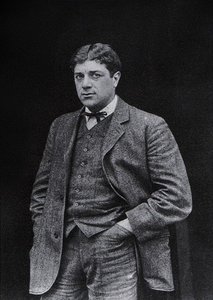
乔治·布拉克
1882 - 1963 , 法国
概览
- 全名: 乔治·布拉克
- 出生地点: 法国阿尔内维尔
- 出生日期: 1882年5月13日
- 去世日期: 1963年
- 受影响的艺术家或运动:
- 巴勃罗·毕加索
- 现代艺术
- 国籍: 法国
- 影响艺术家:
- 亨利·马蒂斯
- 安德烈·德雷恩
- 保罗·塞尚
- 艺术运动或风格: 立体主义,野兽派
- 著名作品:
- 房屋在勒斯塔克
- 《耐心》
- 小提琴与调色板
- 曼多拉