


 效果预览
效果预览
 切换至印刷版
 分享
分享 分享
分享
 详情
详情

 下载
下载
 相似作品
相似作品 X射线
X射线 幻灯片播放
幻灯片播放Two Models
 Expressionism
 60.0 x 96.0 cm
 展开详情
展开详情




































从与原作比例一致的预设尺寸中进行选择。

您可以输入自定义尺寸,以适配特定的画框或空间。如果所选尺寸与原图比例不符,我们将通过裁剪作品或添加手绘元素来扩展画面。数字样稿将在制作开始前发送给您确认。
请注意,屏幕预览无法准确反映实际的裁剪或扩展效果,只有样稿才能真实呈现最终的构图。
虽然我们提供定制尺寸服务,但为了保留原作比例,建议您从预设列表中选择尺寸。
下单后,ArtsDot.com 团队将通过电子邮件联系客户获取具体要求,并提供效果预览图。


 玻璃选项仅适用于110厘米以下的尺寸。

Two Models
复制材质
复制品尺寸
-


最终总价
$ 338
相似艺术品


艺术家简介
George Mayer-Marton: A Hungarian Visionary Shaped by Exile and Byzantine Influence
Georg Mayer-Marton (1897–1960) was a Hungarian Jewish artist whose life’s journey—marked by artistic brilliance, personal tragedy, and profound engagement with the spiritual landscape of his time—established him as a pivotal figure in Viennese art between the first and second world wars. His distinctive style, characterized by expressive brushwork and a fascination with Byzantine mosaics, continues to resonate with collectors and scholars alike. Born in Győr, Hungary, Mayer-Marton’s formative years coincided with the waning days of Austro-Hungarian Empire. He served bravely in the Austro-Hungarian army during World War I, gaining invaluable experience that would later inform his artistic sensibilities. From 1919 to 1924, he pursued formal training at the Academy of Fine Arts Vienna and Munich, immersing himself in the avant-garde currents shaping European art. It was in Vienna that he established a career as an artist and secured a position as secretary, subsequently vice-president, within the Hagenbund—a prestigious society championing progressive artistic ideals. Despite facing challenges securing recognition through competitions like the 1928 Summer Olympics, Mayer-Marton’s dedication to his craft remained unwavering. The Anschluss of Austria in 1938 and the enactment of Hitler's Nuremberg Laws irrevocably altered Mayer-Marton’s trajectory. Forced into exile alongside his wife, he sought refuge in England, where he endured the harrowing ordeal of the London Blitz when his studio home was destroyed by an incendiary bomb—resulting in a devastating loss of irreplaceable artwork and personal possessions. Undeterred by adversity, he persevered in painting, resuming oil work only in 1948 after overcoming significant obstacles. The tragic fate of his parents – deported and murdered during the Holocaust – profoundly impacted Mayer-Marton’s artistic vision, inspiring him to create “Women with Boulders,” a poignant depiction reflecting themes of resilience and sorrow amidst bleak surroundings. His academic pursuits continued at Liverpool College of Art from 1952 onwards, where he lectured on painting and undertook significant mosaic commissions for the Roman Catholic Church in Northwest England, notably adorning Holy Rosary Church in Oldham with a monumental Byzantine-inspired mural—a testament to his pioneering technique and enduring legacy. Mayer-Marton’s artistic output spanned decades, reflecting both personal hardship and unwavering commitment to exploring spiritual themes through innovative visual language.- Notable Works: “Self Portrait,” “Llanthony Valley,” “Waterfall”
- Style Characteristics: Expressionism, Byzantine Mosaic Technique
- Influences: Viennese Avant-Garde Art Movements

georg mayer marton
1897 - 1960
艺术家简介
- Artistic Movement Or Style: Expressionism
- Artists Or Movements Influenced By This Artist: ['Byzantine mosaic']
- Artists Who Influenced This Artist: ['Franz Marc']
- Date Of Birth: June 3, 1897
- Date Of Death: August 8, 1960
- Full Name: Georg Mayer Marton
- Nationality: Hungarian
- Notable Artworks:
- Self Portrait
- Llanthony Valley
- Waterfall
- Place Of Birth: Győr, Hungary
相关文章

The Eloquent Form: A Historical & Aesthetic Exploration of the Nude in Art
Explore the captivating history of the nude in art! From ancient Greece to modern masters, discover its evolving symbolism, techniques & enduring beauty. Expert insights for collectors and enthusiasts.

内省的呐喊:探索表现主义绘画持久的遗产与现代回响
深入探索表现主义绘画的起源、核心理念与持久影响。从《呐喊》到德国桥社,了解艺术史上的重要运动,并获取专业的收藏和鉴赏建议。ArtsDot.com为您提供高品质油画复制及定制服务。
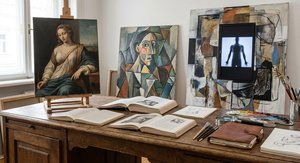
The Eloquent Body: A Historical Survey of Figure Painting & Representation
Explore the rich history of figure painting from antiquity to the Renaissance! Discover iconic artworks, masterful techniques & enduring symbolism. Find museum-quality reproductions at ArtsDot.

From Imagination to Canvas: Commissioning Bespoke Fantasy Art with Traditional Oil Painting Techniques
Commission breathtaking bespoke fantasy art with skilled oil painters. Explore techniques, artist selection & preservation tips. Invest in a unique masterpiece today!
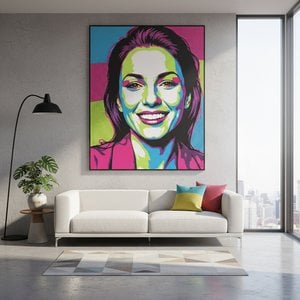
照片重塑为时代宣言:当代艺术买家视角下的波普艺术定制油画及其室内装饰应用研究
ArtsDot将您的珍贵照片转化为独一无二的波普艺术定制油画。匠心手绘,品质保证,打造专属家庭艺术遗产。专业艺术家团队,全程透明流程,投资品味生活!立即咨询。

