


图片将根据您的选择进行更新: , .
藏品详情
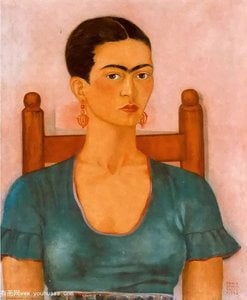
A surreal self-portrait by Frida Kahlo featuring a woman with a pencil mustache and multiple clocks, capturing the artist’s iconic style and poignant exploration of identity and pain. Discover this captivating artwork and bring its unique beauty into your space.
 展开全文
展开全文
手工油画复制品
由我们的艺术家按需定制,为您提供您所选尺寸及画框的布面手工油画。 ( 切换至版画销售渠道 切换至数字图像销售渠道)
更多关于此画作的信息
 实景预览
实景预览
 分享
分享 分享
分享
 详情
详情 指南
指南

 下载作品
下载作品
 相似作品
相似作品 X射线
X射线 幻灯片播放
幻灯片播放 问答
问答 统计数据
统计数据只需简单四步,即可订购您的画作
请慢慢挑选。您可以随时更改任何选项;订单详情卡中的价格将随您的选择实时更新。
1 四步中的第一步
您想要哪种尺寸?
这些尺寸均保持了原画的比例。示意图展示了您所选尺寸在墙面上的效果,其位置位于一张两米宽的沙发上方。
或输入您自定义的尺寸
您可以从与原作比例一致的预设尺寸中进行选择。

请输入您需要的宽度和高度,以适配您的画框或墙面。由于作品为手工绘制,若选择不同比例的尺寸,艺术家可能会在画面边缘多画一些或稍作裁剪 —— 由您决定。在开始绘画之前,我们会为您发送一份数字效果图供您确认。本页面上展示的图片并非最终实物 —— 只有效果图才能反映真实结果。
2 四步中的第二步
您希望如何装裱:卷轴装、绷框装还是带框装?
以下价格对应您在第一步中所选的尺寸。
选择绷边画布的边缘样式
选择您的画框

白色边缘 ¥1

边缘晕染效果 ¥1

延展式 ¥1

P118B ¥10

P118H ¥10

P118W ¥10

P438Z ¥10

P508JH ¥12

P508YH ¥12

P805H ¥10

P805Z ¥10

P919BZ ¥10

P919G ¥10

P919XJ ¥10

P959ZH ¥10

P968JZ ¥12

W106C ¥8

W218G ¥10

W218JH ¥8

W218Y ¥10

W307PJ ¥10

W316G ¥10

W316PJ ¥8

W316Y ¥10

W398PJ ¥8

W4111J ¥10

W500HY ¥15

W500JH ¥15

W692G ¥12

W849H ¥8

W940BG ¥15

W953PJ ¥8

H24-GOLD ¥30

H24-SILVER ¥30

H36-GOLD ¥45

H36-SILVER ¥45
带框
边框材质: . 含框总尺寸: .
3 四步中的第三步
您想对画作进行任何修改吗?
大多数人的回答是否定的。由于每一幅画作都是手工绘制,我们的艺术家也可以为您进行定制。
下单后,ArtsDot.com 团队将通过电子邮件联系客户获取具体指令,并提供效果预览图
4 第四步(共四步)
几种饰面选项
所有选项均为可选。已选择的答案不会产生额外费用。
出自哪位艺术家之手?
像博物馆里的那样,配上一块铭牌?
青铜铭牌雕刻详情
This elegant plaque features the artist's name and the title of the artwork, finely engraved for a timeless presentation.
It is made from bronze with a refined, elegant finish. The text is precisely laser-engraved for a sharp and permanent result. Measuring 9x2 cm, the plaque is compact yet easy to read. It's built to be durable and scratch-resistant, offering a professional, museum-quality look. Mounting is simple thanks to the included adhesive backing.
透明亚克力铭牌详情
The plaque includes essential engraved details such as the artist's name, the title of the artwork, the date it was created, the type of media used-like oil on canvas or watercolor-a brief description of the piece, and a QR code that links to the complete artwork information.
It is crafted from clear acrylic, offering a sleek, modern appearance. The text is UV-engraved in black to ensure strong visual contrast. With a size of 10x15 cm, it ensures optimal readability. It comes equipped with two metal hooks for secure wall mounting. The plaque is designed to be weather-resistant, making it suitable for various environments, and it includes interactive features that work seamlessly with smartphone scanning.
黑色亚克力铭牌详情
This elegant plaque includes engraved information such as the artist's name, the title of the artwork, the date it was created, the type of media used (like oil on canvas or watercolor), a short description of the artwork, and a QR code for quick access to more information.
The plaque itself is made from refined black acrylic with a premium finish. The text is laser-engraved in white for high contrast and readability. Its size is 10x15 cm, designed to be easy to read. It comes with two metal hooks for professional mounting. The design is sleek and fits any interior style. It is also weather-resistant and durable, with built-in digital integration for mobile compatibility.
需要保护性光油吗?
您预计何时收到?
✓ 确认并下单
您的画作,正如您所订购的那样

Self-Portrait 4
复制品材质
复刻品尺寸
-

精选资深艺术家
更丰富的细节、更精湛的工艺以及更充裕的制作时间
-

复制画装裱选项
-
-
对于任何边长超过 105 厘米(约 41 英寸)的艺术品或复制品,画框将以拆解后的组件形式发货。此方法可确保安全送达并防止运输过程中的损坏。
需由专业人员组装 —— 本产品不适用于 DIY 操作。
该组件必须由经验丰富的专业装裱师进行组装及画布绷装,过程中需使用木工胶(不随附)、画布绷边钳以及夹具,以确保在胶水干燥期间保持内框方正。组装不当或画布张力不均可能会对艺术品造成永久性损坏,且此类情况不在我们的保修范围之内。
 对于任何边长超过 105 厘米(约 41 英寸)的艺术品或复制品,画框将以拆解后的组件形式发货。此方法可确保安全送达并防止运输过程中的损坏。
包含所有实木条,尺寸精确,便于组装。
使用随附的螺丝进行组装,另需准备用于角部连接的木工胶(本品不含木工胶),请由您的装裱师自行准备。
需另备专业工具(本套件不含):画布绷紧钳以及用于在胶水干燥过程中保持木条方正的夹具。
重要提示:
角部连接处需要使用木工胶,边框条必须使用夹具固定直至胶水完全干透,且在组装好的框架上绷紧画布需要用到画布拉伸钳。以上工具均不包含在套装内。请在订购此尺寸前,预先联系经验丰富的专业装裱师。

展品铭牌
-
-

保护性清漆
光泽清漆(提亮色彩,防光防潮)
-

定制我的艺术品
定制化示例:替换面部为客户照片;添加宠物(例如,将猫替换为狗);在背景中加入隐藏信息;更改背景风景或元素。
-

加急
全球配送()仅需 3-4 周即可送达,无需等待标准时效的 5 周。(10 November)。品质始终如一,绝不妥协。
-
极速达
全球配送(),预计 5 周送达。(17 November)。
已包含
最终结算价
¥ 1762
玻璃选项仅适用于110厘米以下的尺寸。
每份订单均包含
- 全球免运费特快专递服务
- 优质亚麻画布
- 全程运输保险
- 关税退款保证
- 色彩精准还原保证
- 100天退货保障(仅限制造缺陷)
- 100% 退款保证
- 多件购买优惠


A Surreal Reflection: Unpacking Frida Kahlo’s “Self-Portrait 4”
Frida Kahlo's "Self-Portrait 4," painted in an unknown date, is a powerfully evocative work that plunges the viewer into the intensely personal and often unsettling world of one of art history’s most compelling figures. This particular self-portrait transcends mere representation; it’s a meticulously constructed tableau of pain, resilience, and a profound engagement with time itself. The subject, Frida herself, sits poised before us in a simple white dress, her gaze direct and unwavering – a characteristic feature of her oeuvre that demands an immediate connection.
- The Iconography of Time: The presence of multiple clocks is undeniably the most striking element of the painting. Positioned strategically around Frida—one prominently on her right, another subtly in the upper left corner, and a smaller one near the bottom right – they immediately evoke themes of mortality, memory, and the relentless passage of time. This preoccupation with temporality was deeply rooted in Kahlo’s own life experiences, marked by chronic illness, surgeries, and periods of profound isolation. The clocks aren't simply decorative; they are potent symbols of her struggle to control her physical and emotional state within the constraints of a life often defined by suffering.
- Surrealism and Personal Narrative: Kahlo’s work is frequently categorized as surrealist, though she herself resisted this label. Instead, it's more accurate to describe it as intensely personal symbolism. The inclusion of an airplane in the upper portion of the canvas adds another layer of complexity, suggesting a yearning for escape, a desire to transcend earthly limitations, or perhaps a commentary on the rapidly changing world around her. This juxtaposition of domesticity (the clock) with the expansive possibilities of flight creates a dynamic tension that is central to Kahlo’s artistic vision.
Technique and Materials: A Window into the Artist's Process
Executed in Kahlo’s signature style, “Self-Portrait 4” likely employs oil paints on canvas – a medium she favored throughout her career. Her meticulous brushwork is evident in the detailed rendering of Frida’s features, particularly her expressive eyes and the subtle textures of her dress. The use of color is restrained, dominated by muted tones that contribute to the painting's melancholic mood. Kahlo’s technique was characterized by a deliberate layering of paint, creating a rich impasto effect that adds depth and texture to the surface. This tactile quality invites close observation and encourages viewers to engage with the artwork on a physical level.
- Mirroring Pain: The pencil mustache, a recurring motif in Kahlo’s self-portraits, is often interpreted as a symbol of her masculine side, her strength, or even a defiant gesture against societal expectations.
- Precision and Detail: Kahlo's attention to detail—from the folds of her dress to the reflection in the clocks—demonstrates her commitment to capturing not just an image but also a feeling, a state of being.
Historical Context and Frida’s Legacy
"Self-Portrait 4" was created during a period of intense personal and artistic growth for Kahlo. Following her devastating bus accident in 1925, which left her with lifelong physical limitations and emotional trauma, she began to channel her pain and experiences into her art. Her work became a powerful form of self-expression, allowing her to confront her suffering head-on and to reclaim agency over her own narrative. Kahlo’s unflinching honesty and vulnerability have resonated deeply with audiences for decades, establishing her as an icon of female empowerment and artistic innovation.
- A Voice for the Marginalized: Kahlo's work challenged conventional notions of beauty and femininity, offering a raw and authentic portrayal of a woman’s life.
- Enduring Influence: Her influence can be seen in contemporary artists who continue to explore themes of identity, trauma, and resilience through their own creative practices.
Emotional Impact and Artistic Value
"Self-Portrait 4" is more than just a beautiful painting; it’s a profound meditation on the human condition. The artwork's unsettling yet captivating atmosphere invites viewers to contemplate questions of mortality, identity, and the nature of suffering. Its enduring power lies in its ability to connect with our deepest emotions and to remind us of the importance of embracing vulnerability and finding strength in adversity. This hand-painted reproduction offers a unique opportunity to own a piece of art history – a tangible connection to one of the 20th century’s most significant artistic voices.
常见问题与解答
如何预览芙丽达·卡罗 的《Self-Portrait 4》的复制品?
通过“Self-Portrait 4”的效果预览页面,您可以在下单前预览艺术品。
芙丽达·卡罗 的《Self-Portrait 4》 的对比度有多强?
芙丽达·卡罗 的《Self-Portrait 4》 在明暗区域之间呈现出 Statement 的对比度。
芙丽达·卡罗 的《Self-Portrait 4》 描绘了什么内容?
"Self-Portrait 4" 的描绘主题为 frida kahlo, self-portrait, clock symbolism, pencil mustache, surreal imagery, mexican art, pain & resilience。




芙丽达·卡罗
1907 - 1954, 墨西哥
艺术家简介
早年生活与家庭背景
1907年7月6日,在墨西哥城科约阿坎,玛格达莱娜·卡门·弗里达·卡洛·伊·卡尔德隆降生于世。她的家庭是一个多元血统交汇的缩影:父亲吉列尔莫·卡洛是一位德裔墨西哥摄影师,而母亲玛蒂尔德则拥有印第安与西班牙的双重血统。这种家庭环境塑造了芙丽达·卡罗的早年岁月,而此时的她,生命轨迹正因疾病的阴影而悄然发生转变。
六岁那年,小儿麻痹症袭来,为她留下了终生的跛行——这一身体印记将伴随她度过整个成年期。尽管这段童年时光被这种脆弱感所定义,但她的精神世界却始终保持着活跃的生命力。1922年,她考入墨西哥城国立预科学校,成为该校仅有的35名女学生之一。在那个由男性主导的学习空间里,她展现出了极其直率且勇敢的个性。
被肉体痛苦所定义的生命
1925年,芙丽达·卡罗的人生轨迹发生了剧烈的转折。一场惨烈的公交车事故彻底粉碎了她的现实,留下了毁灭性的伤痛——脊椎、骨盆以及腿部均发生严重骨折。这场冲击并非仅仅是瞬间的震荡,而是一种永久性的生存状态。她不得不面对终身不断的医疗干预,一生中总共经历了35次手术。这种肉体上的折磨是无情的,如影随形,主宰着她生命的律动。
康复始于禁锢的静默之中。在石膏夹板的束缚与残破躯体的限制下,她转向使用一种专为卧姿创作而设计的特制画架。这件工具将她的病床转化为了艺术的工作室。她开始拿起画笔,将目光转向内心,去直面那些刻进骨髓的创伤。自画像成为了她感知世界的首要方式,一种记录自身苦难现实的手段。她曾说:“我画自己,是因为我经常感到孤独,而我又是自己最了解的题材。”
她的画布变成了一个进行自我对抗的场域。她不仅仅是在描绘自己的容貌,更是利用这种媒介来消化那种极其深刻的、关于自身脆弱性的体验。痛苦不再仅仅是背景元素,它已然成为了她视觉语言的核心本质。
婚姻与艺术的蜕变
1929年,芙丽达·卡罗与墨西哥壁画家 迭戈·里维拉 结为连理。这段婚姻如同一股狂暴的力量,在炽热的激情与频繁的背叛中剧烈震荡。他们的生活轨迹在墨西哥的画室与旧金山、纽约等大都市的繁华景象间穿梭。在这一场情感的漩涡中,她经历了一场深刻的自我蜕变;大约在1935年左右,她从名字中去掉了那个“e”,完成了从 Frieda 到 Frida 的转变,这不仅是拼写的改变,更是她自我意识觉醒的标志。
她的笔触开始凝聚成一种独一无二的视觉语言。她拒绝平庸的模仿,而是巧妙地将墨西哥民间艺术中扁平的造型与鲜艳的色彩,与现实主义及超现实主义元素融为一体。这种风格成为了她应对生活中分离与和解的主要手段。她不仅仅是在描绘周遭的世界,更是在构建一个充满象征意义的现实,以此来消化和诠释她那复杂的生命体验。
- 1931年:芙丽达与迭戈·里维拉
- 1937年:富兰克林·查恩与我
- 1938年:自画像
象征主义杰作与核心画作
画布成为了她进行直观对抗的阵地。在《亨利·福特医院》(1932)中,画面呈现出一种原始而冷静的临床感,通过胎儿、花朵、骨盆和蜗牛的悬浮排列,并由血管紧紧相连,描绘了她流产的痛苦经历。这种毫不回避的审视延伸到了她的身体解剖结构之中。在《破碎的柱子》(1944)中,她的躯干被切开,取而代之的是一根正在崩塌的爱奥尼柱,用皮带束缚并被钉子贯穿。痛苦在这里不再仅仅是内在的感受,而是通过这些沉重且具有结构性的隐喻被外化到了视觉层面。
在她的肖像画中,身份经历着剧烈的分裂。《两个芙丽达》(1939)捕捉了她在与里维拉离婚后自我意识的双重性,展现了两个版本的她通过共同的循环系统紧密相连。这种对自我的痴迷贯穿始终;在她创作的143幅画作中,至少有55幅是自画像。她利用自己的形象来应对生存的复杂性,并常常赋予其象征性的重量。在《带荆棘项链与蜂鸟的自画像》(1940)中,荆棘缠绕在她的颈部,象征着她持久的痛苦,而一只蜂鸟悬挂其间,成为了希望与韧性的象征。
- 《两个芙丽达》(1939)
- 《带荆棘项链与蜂鸟的自画像》(1940)
- 《破碎的柱子》(1944)
- 《亨利·福特医院》(1932)
艺术遗产与文化影响
在芙丽达·卡罗逝世后,她的影响力经历了剧烈的蜕变。尽管在世时,她的名声始终笼罩在壁画运动的阴影之下,但她的艺术成就却在身后喷薄而出,声名鹊起。到了20世纪80年代,随着大量聚焦于她生平与作品的著作涌现,她的形象逐渐进入了全球大众的视野。她已然成为一位挑战传统性别角色与社会期待的标志性人物,通过直面自身的肖像,她与每一位观者进行着灵魂层面的对峙。她的存在早已超越了画布的范畴,成为了无数人心目中坚韧与力量的象征。
安德烈·布勒东在超现实主义运动中对她给予了高度认可,他将她的艺术比作“缠绕在炸弹上的丝带”。这一精妙的比喻捕捉到了她细腻的艺术形式与其作品主题中爆发性力量之间的张力。她不仅仅是在绘画,更是在构建一种关于身份认同的视觉语言,这种语言的共鸣早已跨越了墨西哥的国界。她的生命轨迹与奋斗历程,已然融入了一场关于女性经验与身份政治的宏大文化对话之中。


相关文章

Transforming Spaces: A Comprehensive Exploration of Wall Decor Through Art History & Contemporary Practice
Explore the art of transforming spaces with our comprehensive guide to wall decor. From historical movements to contemporary trends, discover how to curate impactful interiors and commission bespoke artwork for a truly personalized aesthetic.

高檔藝術品複製技術:Giclée微噴的檔案品質與鑑賞細節
深入了解Giclée微噴技術:檔案品質、色彩還原的專業解析。探索高檔藝術品複製的細節與保存技巧,為您的收藏提供博物館級別的選擇。專家指導,確保完美呈現原作神韻。

Surrealist Painting Masterpieces: 10 Artworks That Redefined Reality | ArtsDot
Journey into the dreamlike world of Surrealism! Explore 10 masterpieces by Dali, Magritte & Miró that redefined art. Discover their stories & find museum-quality reproductions to elevate your home decor on ArtsDot.com.