


 购买版画
购买版画 分享
分享 分享
分享
 Details

 下载
下载
 相似作品
相似作品 X-Ray
X-Ray 幻灯片播放
幻灯片播放The Annunciation






P118B $10

P118H $10

P118W $10

P438Z $10

P508JH $12

P508YH $12

P805H $10

P805Z $10

P919BZ $10

P919G $10

P919XJ $10

P959ZH $10

P968JZ $12

W106C $8

W218G $10

W218JH $8

W218Y $10

W307PJ $10

W316G $10

W316PJ $8

W316Y $10

W398PJ $8

W4111J $10

W500HY $15

W500JH $15

W692G $12

W849H $8

W940BG $15

W953PJ $8




 了解更多
了解更多从与原作比例一致的预设尺寸中进行选择。

您可以输入自定义尺寸,以适配特定的画框或空间。如果所选尺寸与原图比例不符,我们将通过裁剪作品或添加手绘元素来扩展画面。数字样稿将在制作开始前发送给您确认。
请注意,屏幕预览无法准确反映实际的裁剪或扩展效果,只有样稿才能真实呈现最终的构图。
虽然我们提供定制尺寸服务,但为了保留原作比例,建议您从预设列表中选择尺寸。
下单后,ArtsDot.com 团队将通过电子邮件联系客户获取具体要求,并提供效果预览图。


 玻璃选项仅适用于110厘米以下的尺寸。

The Annunciation
复制材质
复制品尺寸
-


最终总价
-
作品详情
The Annunciation
Fra Angelico’s The Annunciation is a panel-painting altarpiece or retable produced for the Convent of San Domenico in Fiesole and now housed in the Prado Museum in Madrid. This painting is a quintessential representation of Early Renaissance art, showcasing the artist’s mastery of composition, color, and religious symbolism.Composition and Symbolism
The painting depicts the Virgin Mary kneeling down in front of an angel who is holding a lily flower. The angel appears to be presenting the flower to the Virgin Mary as a gift. In the background, several other figures are visible, including one person on the left side and two others on the right side of the painting. The scene takes place outdoors with trees visible in the background, creating a serene and peaceful atmosphere. The lily flower held by the angel is a symbol of purity and innocence, emphasizing the Virgin Mary’s role as the mother of Jesus Christ. The bench near the center of the image adds a sense of intimacy to the scene, highlighting the personal nature of the annunciation event. The meticulous arrangement of figures—Mary at the base, Gabriel ascending—creates a visual hierarchy that directs the viewer's gaze upwards towards divine grace. This deliberate positioning underscores the narrative’s central theme: God’s intervention in human affairs and Mary’s acceptance of her sacred vocation. The lily itself embodies spiritual perfection, mirroring Mary’s unwavering faith and foreshadowing the blossoming life of Christ.Artistic Style
Fra Angelico's style in The Annunciation is characterized by delicate lines, soft colors, and a sense of harmony. The use of oil paint allows for rich textures and subtle gradations of tone, enhancing the overall visual impact of the painting. He achieved this remarkable effect through painstaking layering of translucent glazes—a technique perfected during his time—resulting in luminous hues that seem to emanate from within. This masterful blending of pigments contributes significantly to the ethereal quality of the artwork, transporting viewers into a realm of spiritual contemplation. The artist’s attention to detail is evident in every aspect of the composition, from the folds of Mary’s robe to the intricate foliage of the trees lining the cloister wall. These meticulous renderings exemplify the humanist ideals prevalent during the Renaissance—a belief in observation and representation as pathways to understanding God's creation.Historical Context
Fra Angelico was a Dominican friar and a renowned painter of his time. His contemporary monikers included Fra Giovanni da Fiesole and Fra Giovanni Angelico. Posthumously, he became known as Fra Angelico, reflecting his reputation for devout religious paintings. The Museum Convent of San Marco in Florence, Italy, is another significant location associated with Fra Angelico's work. This former convent houses some of the most breathtaking frescoes and religious artifacts from the 15th century, including works by Fra Angelico. Cosimo de’ Medici commissioned him to decorate the cloister walls—a project that cemented his legacy as one of Florence’s greatest artistic figures. The commission itself was a testament to the patronage system of the Renaissance, where wealthy patrons supported artists and fostered cultural flourishing. The fresco's placement within the convent underscores its purpose: to inspire piety and devotion among the monks who resided there. It served as a visual reminder of God’s love and mercy—a message conveyed through serene imagery and harmonious color palettes. The painting stands as an enduring symbol of faith, beauty, and artistic excellence—a masterpiece that continues to captivate audiences centuries after its creation.Relevance to Art Lovers
For art lovers and history buffs, The Annunciation is a must-see painting. It represents the pinnacle of Early Renaissance art and showcases Fra Angelico's unique style and religious devotion. The serene atmosphere and symbolic elements make it a captivating piece that continues to inspire and educate audiences today. Its delicate beauty—a testament to Angelico’s unparalleled skill—remains unsurpassed, inviting viewers to contemplate the profound mysteries of faith and divine grace. Reproductions Available at ArtsDot.com ArtsDot.com offers handmade oil painting reproductions of The Annunciation by Fra Angelico, allowing art enthusiasts to own a piece of history. Visit our website for more information on this and other masterpieces: /art/list/?Filter=5ZKCCV-Fra-Angelico-The-Annunciation相似艺术品


艺术家简介
天使般的画师:弗朗切斯科·德·安杰利科 (Fra Angelico) 的生平与艺术
弗朗切斯科·德·安杰利科,原名圭多·迪·皮埃特罗,是文艺复兴初期佛罗伦萨最伟大的画家之一。他的名字,意为“天使般的兄弟”,恰如其分地体现了他作品中那种超越尘世的宁静与神圣之美。1395年出生于托斯卡纳丘陵中的鲁佩萨纳,关于他早年的生活知之甚少,但可以肯定的是,他接受了良好的教育,为日后的艺术生涯奠定了基础。年轻的圭多加入了佛罗伦萨附近的菲索莱的圣多梅尼克会修道院,并以弗朗切斯科·德·安杰利科的名字开始了他在宗教与艺术的双重道路。在修道院中,他最初的任务是抄写手稿,这培养了他对细节的敏锐观察力和对色彩的精湛掌握,为他日后的绘画创作打下了坚实的基础。早期风格的形成:从洛伦佐·蒙纳科到马萨乔的影响
安杰利科的艺术发展并非孤立进行,而是深深地扎根于当时佛罗伦萨蓬勃发展的艺术氛围之中。他深受同时代画家洛伦佐·蒙纳科的影响,蒙纳科是那个时代领先的画家和手稿插图师。安杰利科继承了蒙纳科优雅的线条和装饰性图案,但并未止步于模仿。他开始尝试将这些风格与新兴的自然主义相结合,这很可能受到了马萨乔开创性的壁画的影响。虽然马萨奇奥以其戏剧性的透视运用和对人体形态的逼真描绘而闻名,安杰利科选择了另一条道路。他保留了对透视的运用,但并非为了追求现实主义,而是为了创造一种更具沉浸感的精神体验。他的作品中人物虽然优雅且常常理想化,却蕴含着一种内敛的尊严和情感共鸣,超越了单纯的表象。安杰利科将绘画视为祈祷的一种形式——一种领悟神圣并将之呈现给世人的方式,这种深刻的信仰赋予了他笔下的每一笔都充满了敬畏与真诚。信仰与色彩的杰作:圣马可修道院壁画
弗朗切斯科·德·安杰利科最伟大的艺术遗产无疑是佛罗伦萨圣马可修道院的壁画。这些壁画由多米尼克会委托创作,被广泛认为是文艺复兴时期最令人惊叹的作品之一。从《使女来访》到《受难》,每一个场景都散发着一种宁静而深刻的情感深度,在文艺复兴艺术中是罕见的。每一幅图像都充满了对神圣叙事的沉思,邀请观者进入个人的精神体验。除了圣马可修道院之外,《佩鲁贾祭坛画》也展示了他风格的演变,尤其是在《报喜》的精致描绘方面。报喜的主题在安杰利科的作品中反复出现,每一次呈现都带有超凡脱俗的美丽和象征意义。《圣劳伦斯施舍济贫》则展现了他叙事构图的能力以及对人类情感的敏感刻画。他的调色板以明亮、清晰的色彩为特色——蓝色、金色和红色——这些颜色仿佛从内部散发着光芒,营造出一种超凡脱俗的氛围。历史意义与持久影响
弗朗切斯科·德·安杰利科是文艺复兴早期的一位关键人物,他体现了那个时代宗教虔诚与艺术创新的融合。他不仅仅是一位画家,更是一位精神上的先驱,将他的信仰转化为视觉形式。他的作品反映了人本主义的理想,强调人类的尊严和对精神沉思的可能性。著名的艺术史学家乔治·瓦萨里在他的《艺术家列传》中赞扬安杰利科,称没有任何赞美之词能够充分捕捉到他创作的美丽。这巩固了他西方艺术中的地位。他的影响超越了他的时代,激励了无数后代的艺术家,以其虔诚的风格和色彩的大胆运用而闻名。1982年,教皇约翰·保罗二世正式承认安杰利科的神圣性,册封他为真福者——这证明了他一生及其作品对世界产生的影响。今天,他的艺术继续吸引着来自世界各地的观众,传递着关于信仰、希望和美的永恒信息。如何欣赏他的艺术
- 佛罗伦萨圣马可博物馆: 该博物馆收藏了安杰利科作品的最大且最具代表性的系列,包括修道院的令人惊叹的壁画。
- 卢浮宫 (巴黎): 卢浮宫拥有重要的安杰利科绘画藏品。
- 国家美术馆 (伦敦): 大英博物馆收藏了安杰利科的作品,让参观者得以一窥他的艺术才华。
- 罗马圣玛利亚索普拉米尼斯特拉教堂: 这座教堂拥有安杰利科的壁画,也是他正式被册封为真福者的地点。
- 世界各地众多其他博物馆 也展示了他的作品,让更多人欣赏他的持久遗产。

安吉利科
1395 - 1455 , 意大利
艺术家简介
- 全名: 弗朗切斯科·达·安吉利科
- 出生地点: 卢佩萨纳,意大利
- 出生日期: 约1395年
- 受其影响的艺术家: ['早期文艺复兴艺术家']
- 国籍: 意大利人
- 影响艺术家:
- 洛伦佐·蒙纳哥
- 马萨乔
- 艺术流派或风格: 早期文艺复兴
- 著名作品:
- 圣马可修道院壁画
- Perugia祭坛画
- 报喜使
- 施舍济贫的圣劳伦斯
相关文章

佛罗伦萨文艺复兴大师:安杰利科25幅传世名作赏析 | ArtsDot
探索佛罗伦萨文艺复兴大师安杰利科的25幅传世名作!深入了解其宗教绘画、壁画艺术与天使般的风格。ArtsDot.com提供高清复制品及精选装饰画,为您的室内空间增添永恒之美。立即在线探索完整系列!


领衔文艺复兴曙光:十幅早期大师名作,点亮您的艺术品味
探索文艺复兴曙光!本文精选十幅早期大师杰作,从达芬奇到拉斐尔,揭秘艺术背后的故事与技法。感受色彩的魅力,领略经典永恒的力量。ArtsDot.com为您提供博物馆品质的艺术品复制和个性化家居装饰方案。尽在ArtsDot.com!

拉斐尔大师25幅杰作:艺术、历史与家居装饰灵感 | ArtsDot
探索拉斐尔大师的25幅杰作!深入了解文艺复兴艺术、意大利绘画和经典油画背后的故事。ArtsDot.com提供博物馆品质的拉斐尔作品复制品,为您的家居装饰带来永恒之美。立即在线探索完整系列。

Celestial Messengers: A Comprehensive Exploration of Angelic Representation in Art History
Explore the captivating history of angels in art! Discover symbolism, iconic Renaissance masterpieces & renowned artists. Expert insights for art lovers & collectors at ArtsDot.
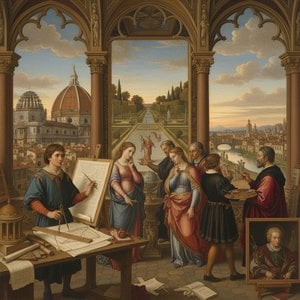
The Dawn of a New Vision: Exploring Themes & Innovations in Early Renaissance Art (c. 1400-1500)
Explore the groundbreaking innovations & humanist ideals of Early Renaissance art (c. 1400-1500). Discover masterpieces by Botticelli, Fra Angelico & more. A deep dive for art enthusiasts.



